Global Governance and Agenda 2030
Analysis of global governance strategies and the implications of Agenda 2030, based on "THEY'RE NOT AFTER TRUMP. THEY'RE AFTER YOU." | Lara Logan.
OPEN SOURCEMel K discusses the strategic planning behind events in Ukraine and the implementation of Agenda 2030, framing them as efforts toward global governance and technocratic control. She emphasizes that these initiatives were premeditated and financially supported, particularly during the Obama administration.
The conversation highlights the significant disruption caused by Donald Trump's presidency to established foreign policy agendas, which were designed to operate independently of electoral changes. Traditional institutions reacted strongly against Trump's approach, viewing him as a threat to their long-term plans.
Mel K points out the role of influential organizations like the Open Society Foundations and the Tides Foundation in executing global influence operations. These entities often utilize financial strategies that evade public scrutiny, complicating the landscape of governance.
Trump's election prompted a reassessment of foreign policy frameworks, as he sought to rewrite the existing policy manual. This effort faced resistance from entrenched bureaucratic practices, illustrating the challenges of implementing change within established systems.
The narrative posits that organizations like USAID are not merely aid providers but instruments of international control, further entrenching the complexities of global governance. Mel K argues that the foundational principles of the United States are viewed as obstacles to the global governance agenda.
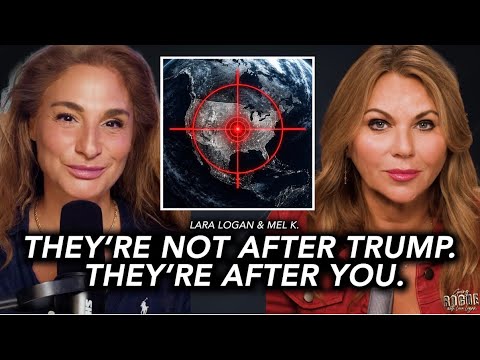
- Argues that Agenda 2030 is a strategic plan for global governance and technocratic control
- Claims that influential foundations are actively promoting these initiatives against public sentiment
- Contends that the foundational principles of the United States obstruct the global governance agenda
- Highlights the resistance faced by Trump in altering established foreign policy frameworks
- Notes the role of organizations like USAID in international control
- Acknowledges the complexities of political dynamics in shaping governance
- The events in Ukraine and the rollout of Agenda 2030 are viewed as deliberate strategies aimed at achieving global governance and technocratic control
- Mel K contends that Donald Trumps presidency disrupted established foreign policy agendas that were intended to function independently of electoral changes, resulting in significant pushback from traditional institutions
- The influence of organizations like the Open Society Foundations and the Tides Foundation in executing global influence operations, often utilizing financial methods that avoid public scrutiny
- Trumps election led to a reassessment of foreign policy frameworks, as he sought to alter the existing policy manual, which met resistance from entrenched bureaucratic practices
- The narrative posits that entities like USAID are not just aid organizations but tools of international control, complicating the landscape of global governance
- Influential foundations like Rockefeller and Ford continue to promote global governance initiatives, particularly following the adoption of Agenda 2030
- Mel K highlights a coordinated effort by elite figures, including prominent political families, to advance global governance against public sentiment through established foundations
- The political establishment perceives Donald Trump as a barrier to their global control ambitions, indicating that the focus is on achieving broader governance rather than solely targeting Trump
- A claim is made regarding a Biden administration document that outlines a commitment to lead global efforts towards Agenda 2030, proposing a financing plan of three trillion dollars
- The foundational principles of the United States, such as the Constitution and Bill of Rights, are viewed as obstacles to the global governance agenda, prompting calls for their dismantling
hinges on the assumption that foreign policy is a linear process, ignoring the complexities of international relations and the role of public opinion. Inference: The claim that Trump's presidency disrupted a pre-existing global agenda lacks evidence of a cohesive plan and fails to account for the variability in political dynamics.
This analysis is an original interpretation prepared by Art Argentum based on the transcript of the source video. The original video content remains the property of the respective YouTube channel. Art Argentum is not responsible for the accuracy or intent of the original material.