Cross-Strait Relations and U.S.-China Dynamics
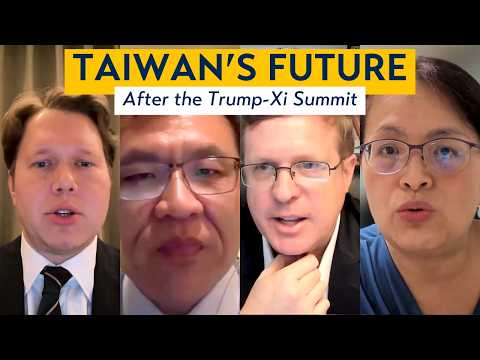
Analysis of Cross-Strait relations and U.S.-China dynamics, based on 'Cross-Strait Relations After the Summit' | Asia Society.
OPEN SOURCECross-Strait relations are increasingly critical amid U.S.-China strategic competition and military modernization. The recent Trump-Xi summit highlighted Taiwan's significance in the broader context of U.S.-China relations, with discussions indicating a shift in how Taiwan is perceived in negotiations.
President Trump’s comments during and after the summit suggest a transactional approach to U.S. support for Taiwan, raising concerns about the reliability of U.S. commitments. This shift may lead to skepticism among Taiwanese citizens regarding U.S. support and complicate Taiwan's defense strategies.
The upcoming 2028 elections in Taiwan may significantly influence cross-Strait relations, with potential leadership changes affecting dialogue and defense strategies. A victory for the Democratic Progressive Party (DPP) could escalate tensions with Beijing, particularly if they advocate for Taiwan independence.
Polling indicates that many Taiwanese citizens prefer peaceful unification over military conflict, reflecting a nuanced public opinion on cross-Strait dynamics. Meanwhile, Beijing is focused on strengthening its military capabilities, which may influence its approach based on Taiwan's political landscape.
Domestic challenges in the U.S. could also impact its foreign policy in East Asia, potentially leading to a more isolationist stance that affects relations with China. The interplay of these factors underscores the complexity of U.S.-China-Taiwan relations moving forward.
- Emphasizes strategic stability in U.S.-China relations, with Taiwan as a critical component
- Views arms sales to Taiwan as a bargaining chip in negotiations with China
- Considers Taiwans status as a core interest, opposing any moves towards Taiwanese independence
- Taiwans role in U.S.-China relations is significant but often treated as secondary in discussions
- Public opinion in Taiwan shows a preference for peaceful unification over military conflict
- President Trump seeks to stabilize US-China relations, which influences his stance on arms sales to Taiwan, balancing international and domestic political factors
- While Trump did not alter US policy towards Taiwan during the summit, he made notable comments indicating he does not anticipate a push for Taiwanese independence or military conflict over Taiwan
- Xi Jinping emphasized the importance of strategic stability, a sentiment echoed by the White House, highlighting Taiwans significance in the broader context of US-China relations
- Concerns exist that Beijing may use the concept of strategic stability to restrict US-Taiwan relations, particularly in terms of arms sales, potentially limiting US actions in the region
- Taiwans involvement in the summit was notable but somewhat secondary, underscoring its relevance in discussions without being the primary focus
details
- The Trump-Xi summit underscored Taiwans significant yet often overlooked role in U.S.-China relations, with discussions about Taiwan primarily occurring in private
- Ambiguity in U.S. commitments to Taiwan may act as a strategic signal, leaving Taiwans future uncertain amid shifting U.S.-China dynamics
- While both leaders called for strategic stability, their interpretations diverge; the U.S. emphasizes fairness and reciprocity, whereas China focuses on its own framework
- The definition of strategic stability is broadening to encompass not only nuclear issues but also AI safety, energy stability, and regional security, suggesting potential areas for U.S.-China collaboration
- Trumps approach continues to position the Taiwan issue within the larger context of U.S.-China relations, indicating a desire for Taiwan not to obstruct broader geopolitical objectives
details
- President Trump adopted a cautious stance on Taiwan during the summit, largely aligning with Xi Jinpings views and refraining from clear opposition to Taiwanese independence
- Concerns arose that Trumps reliance on Xis narrative regarding Taiwans historical ties to China could misrepresent Taiwans position and affect cross-strait dynamics
- There is worry that Trumps perspective may shift blame for tensions onto Taiwan, overlooking Chinese coercion, which could influence U.S. policy in the long term
- The summit indicated a possible change in U.S. arms sales policy, with Trump showing interest in engaging directly with Taiwans leadership, suggesting a more nuanced military support approach
- The outcomes of the summit highlight the complex nature of U.S.-China relations, with strategic stability as a central theme, while the framing of Taiwan remains a contentious issue impacting future interactions
- Trumps approach to Taiwan has evolved from viewing it as a democratic ally to treating it as a bargaining chip in negotiations with China, particularly regarding trade and technology
- His comments reflect a transactional view of U.S. support for Taiwan, raising doubts about the reliability of U.S
- Trumps insistence on maintaining the status quo while cautioning against Taiwanese independence suggests a flexible interpretation of this status, potentially influenced by U.S.-China discussions
- The implications of Trumps stance may lead to diminished U.S. support for Taiwan, with future assistance possibly tied to Taiwans defense spending and economic conditions rather than a steadfast commitment to its security
- Overall, Trumps strategy indicates a shift from strategic ambiguity to a more transactional relationship, which could significantly impact U.S.-Taiwan relations and regional stability
details
details
- President Trump has redefined Taiwans role from a strategic ally to a bargaining chip in negotiations with China, particularly in trade and semiconductor matters
- His transactional approach raises concerns about the reliability of U.S. commitments to Taiwan, potentially jeopardizing its security
- Trumps hesitance to commit to arms sales may foster skepticism among Taiwanese citizens regarding U.S. reliability and influence discussions on Taiwans defense spending
- The idea that U.S. arms sales to Taiwan could be negotiable sets a concerning precedent for U.S
- Trumps foreign policy perspective prioritizes leverage and transactions, indicating that he views U.S. arms sales to Taiwan as part of a broader negotiation strategy rather than a firm commitment
- Taiwans government is concerned that President Trumps remarks on arms sales may diminish their security, viewing it as a bargaining chip in U.S.-China negotiations
- Despite proposing a special defense budget of $40 billion, Taiwans Congress approved only $25 billion, highlighting internal political challenges and uncertainty about fund allocation
- Trumps transactional approach to arms sales risks undermining Taiwans defense credibility and may increase skepticism among Taiwanese citizens regarding U.S. commitments
- The Democratic Progressive Partys (DPP) advocacy for Taiwan independence complicates U.S.-China relations, as substantial arms packages from the U.S. are interpreted as support for Taiwans sovereignty, which is opposed by Beijing
- While Trumps pragmatic stance on arms sales aims to stabilize U.S.-China relations, it may create mixed signals for both Taiwan and Beijing
- U.S.-China relations are precarious, particularly concerning military deterrence in the Taiwan Strait, which heightens the risk of escalating tensions
- Participants express optimism that effective management of the Taiwan issue could stabilize U.S.-China relations and prevent conflict, benefiting both Taiwan and Washington
- Concerns exist that a significant arms sale to Taiwan might jeopardize President Xi Jinpings planned visit to Washington, potentially delaying essential military support for Taiwan amid high global demand for weapons
- The current practice of bundling arms sales into large packages is criticized for creating political pressure on Beijing and complicating Taiwans domestic politics, making future defense budget allocations more difficult
- The need for a more flexible arms sales strategy that treats Taiwan similarly to other partners, allowing for ongoing contracts rather than large, politically charged deals
details
- The upcoming local elections in Taiwan may shift public focus away from U.S. arms sales, as citizens prioritize local issues over cross-Strait relations
- Taiwanese views on U.S. support are shaped by arms sales, which signal backing, but skepticism remains regarding U.S
- President Xis firm position on Taiwan indicates that U.S. support for Taiwan independence is a red line that could trigger military conflict
- The recent summit has garnered bipartisan support in the U.S. Congress for Taiwan, reinforcing obligations under the Taiwan Relations Act to provide arms
- Concerns persist that a significant arms sale to Taiwan could complicate Xis planned visit to the U.S, potentially delaying crucial military support
details
- The Republican Congress has shown significant deference to President Trump on China policy, particularly regarding arms sales to Taiwan, suggesting that congressional support may not lead to concrete actions
- While U.S. lawmakers express support for Taiwan, the authority to decide on arms sales ultimately rests with the president, limiting Congresss ability to influence these decisions
- Regional allies, including Japan and ASEAN nations, are apprehensive about potential conflict in the Taiwan Strait but find reassurance in recent U.S.-China diplomatic efforts that indicate a stable relationship
- Attention among regional actors is shifting from Trumps rhetoric to the actual U.S. policies and actions concerning Taiwan, especially regarding arms sales, which are deemed essential for regional security
- A potential reduction in U.S. support for Taiwan could lead to concerns in Japan regarding U.S
- Regional allies, particularly Japan and the Philippines, are closely observing U.S. actions related to Taiwan, with Japan expressing immediate worries about U.S
- The ambiguity surrounding U.S. policy complicates discussions among allies about their responses in a Taiwan contingency, as they seek clearer indications of U.S
- The upcoming elections in the U.S. and Taiwan are likely to significantly impact cross-Strait relations, with the rhetoric and policies of leaders influencing the strategies of Taiwans political parties, especially the KMT and DPP
- The 2028 elections in Taiwan may significantly influence cross-Strait relations, with potential leadership changes affecting dialogue and defense strategies
- Long-term structural factors, such as U.S.-China strategic rivalry and technological competition, are expected to have a more profound impact on Taiwans political landscape than the policies of individual leaders
- Voter dissatisfaction with the Democratic Progressive Party (DPP) could lead to a shift towards the Kuomintang (KMT) or other parties, reflecting a historical trend of voters seeking change over specific policy alignment
- President Lais efforts to strengthen U.S.-Taiwan relations may face challenges, as any perceived shortcomings in this partnership could push voters towards the KMT in the upcoming election
- The internal dynamics of the KMT and its stance on cross-Strait relations will play a critical role in shaping Taiwans electoral landscape and future approach to China
details
details
- The upcoming 2028 elections in Taiwan are crucial for cross-Strait relations, with the potential for significant shifts depending on whether the Democratic Progressive Party (DPP) or the Kuomintang (KMT) secures victory
- A DPP win could lead to policies that challenge Beijing, particularly if they advocate for Taiwan independence, which may escalate military tensions in the region
- Polling suggests that many Taiwanese citizens favor peaceful unification over military conflict, indicating a nuanced public opinion on cross-Strait dynamics
- Beijing is currently focused on strengthening its military capabilities and may adopt a different approach based on the leadership in Taiwan following the 2028 elections
- Domestic challenges in the U.S. could influence its foreign policy in East Asia, potentially leading to a more isolationist stance that affects relations with China
The assumption that strategic stability can be maintained without addressing Taiwan's status overlooks the potential for misinterpretation by Beijing. Inference: The U.S. may inadvertently limit its own support for Taiwan if it aligns too closely with China's framing of strategic stability, which could lead to increased tensions in the region.
This analysis is an original interpretation prepared by Art Argentum based on the transcript of the source video. The original video content remains the property of the respective YouTube channel. Art Argentum is not responsible for the accuracy or intent of the original material.