Geopolitic / Asia
Track Asia geopolitics, strategic competition, regional pressure and escalation signals through structured curated summaries.
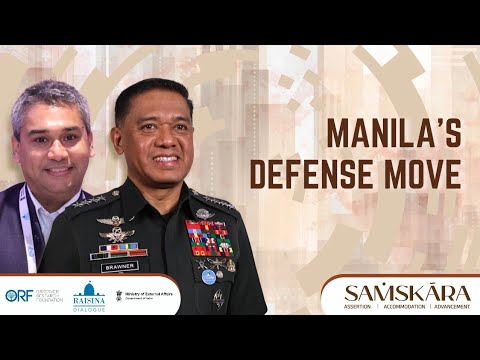
Grey-Zone Defense: The Philippines Rewriting the Playbook
Summary
The Philippines' military focus has shifted from internal security operations to external defense due to changing geopolitical dynamics, particularly following the end of the U.S. bases agreement in 1991. This transition has been marked by the emergence of new threats, including cyber warfare and territorial incursions by China, prompting the need for organizational changes within the armed forces.
Enhanced military collaborations with allies such as Australia and the United States have become crucial for the Philippines. Joint naval exercises and partnerships in cyber technology and drone manufacturing are being prioritized to address modern combat challenges and bolster defense capabilities.
The revival of the Self-Reliant Defense Posture program aims to strengthen the Philippines' defense industry through partnerships with startups and universities. This initiative reflects a broader strategy to ensure sovereignty and resilience against regional threats while fostering innovation in defense technology.
The Philippines is also focusing on integrating artificial intelligence into its military strategy, recognizing its potential to enhance operational effectiveness. Collaborations with international partners are essential for developing AI capabilities that can keep pace with advancements in global military technology.
Perspectives
short
Philippines Defense Strategy Advocates
- Emphasize the need for external defense capabilities due to new threats
- Highlight the importance of military partnerships for operational effectiveness
- Advocate for the integration of AI in military operations to enhance competitiveness
- Promote the revival of the Self-Reliant Defense Posture program to strengthen local defense industry
- Stress the significance of joint exercises with allies to deter aggression
Critics of Reliance on Partnerships
- Question the effectiveness of partnerships in ensuring true sovereignty
- Highlight the unpredictability of adversarial responses despite military alliances
- Raise concerns about the potential for conflicting interests among allies
Neutral / Shared
- Acknowledge the changing geopolitical landscape affecting military strategies
- Recognize the role of technology in modern warfare and defense capabilities
Metrics
fighters
25,000 units
peak number of communist terrorists during the military's focus on internal security operations
This number highlights the scale of internal threats faced by the Philippines in the past.
It hit a peak of about 25,000 Fighters for the communist terrorists
collaboration
four ships units
joint naval exercises with Australia
This demonstrates a commitment to maritime security and international cooperation.
He sent four ships and so we did the joint sale
collaboration
developing manufacturing our own drones
influenced by the Russia-Ukraine conflict
This initiative aims to bolster national defense readiness.
we are looking at developing manufacturing our own drones
other
the biggest Balikatan ever
upcoming military exercise with the U.S.
This highlights the increasing scale of military collaboration.
if you'd be the biggest Balikata ever
population
more than two million people
Filipinos working in the Middle East
This population necessitates security considerations beyond military actions.
more than two million Filipinos working there in Israel
Key entities
Timeline highlights
00:00–05:00
The end of the U.S. bases agreement in 1991 allowed China to begin territorial infiltration, shifting the Philippines' military focus from counter-insurgency to external defense.
- The end of the U.S. bases agreement in 1991 allowed China to begin territorial infiltration
- The Philippines faces new threats, shifting focus from counter-insurgency to external defense
- Under Brawner, the Armed Forces established a cyber command and civil military operations command
- Brawner aims to create a space command, reflecting evolving military operations
- Chinas aggressive actions undermine integrated deterrence strategies
- The Philippines experiences daily bullying from China, impacting military operations
05:00–10:00
The Philippines is enhancing its defense capabilities through joint naval exercises with Australia and expanding collaborations in cyber technology and drone manufacturing. The focus on asymmetrical warfare and integrated missile systems reflects a strategic shift in response to modern combat challenges.
- The Philippines conducted joint naval exercises with Australia to uphold maritime order, crucial for countering aggression in the South China Sea
- Australia has been a key partner, enhancing the Philippines defense capabilities through training and intelligence support
- The Philippines is expanding collaborations with Australia in cyber technology and artificial intelligence to modernize military operations
- The Philippines is developing drone manufacturing capabilities, influenced by lessons from the Russia-Ukraine conflict to enhance defense readiness
- The conflict in Ukraine underscores the importance of drones in modern combat, prompting the Philippines to advance its drone technology
- The Philippines is expanding integrated missile and air defense systems, with the BrahMos missile system as a critical component
10:00–15:00
The Philippines is reviving its Self-Reliant Defense Posture program to enhance its defense industry through partnerships with startups and universities. The country is also focusing on greater military collaboration with allies to ensure sovereignty against regional threats.
- The Philippines is reviving its Self-Reliant Defense Posture program to enhance its defense industry through partnerships with startups and universities
- Ukraines President Zelenskys visit aims to establish a drone ecosystem, highlighting the irony of China supplying drones to both Russia and Ukraine
- The Philippines seeks greater partnerships to ensure sovereignty against regional threats, emphasizing mutual benefits in international collaborations
- Status of visiting forces agreements with the U.S., Australia, and Canada facilitates training and serves as a deterrent against aggression
- Concerns exist about U.S. focus shifting to the Middle East, potentially impacting support for the Philippines
- A significant bilateral exercise with the U.S. will be the largest Balikatan ever, underscoring ongoing military collaboration
15:00–20:00
The Philippines is enhancing its defense capabilities through collaborations with the US, Australia, and Japan, focusing on humanitarian assistance and disaster response. The country is also integrating AI into its military strategy to maintain competitiveness and address regional security challenges.
- The Philippines allows US, Australian, and Japanese forces to use its bases for humanitarian assistance, enhancing defense and deterring aggression
- Contingency plans address potential escalations in Taiwan, reflecting the Philippines proactive approach to regional conflicts
- The Philippine Armed Forces initiated a national AI plan to maintain competitiveness with larger military forces
- Over 250,000 Filipinos in Taiwan and two million in the Middle East necessitate security coverage beyond military considerations
- The Philippines rehearses military actions related to Taiwan, indicating a realistic assessment of regional security
- Collaboration across military and economic sectors is essential for strengthening national resilience and security