Geopolitic / Asia
U.S.-China Trade Dynamics
China's president Xi Jinping claims that global changes, partly instigated by Donald Trump's policies, have allowed China to enhance its geopolitical standing. Despite a decline in exports to the U.S., China achieved a record trade surplus, reflecting its economic resilience. Analysts argue that Trump's aggressive policies may have inadvertently strengthened China's position on the world stage.
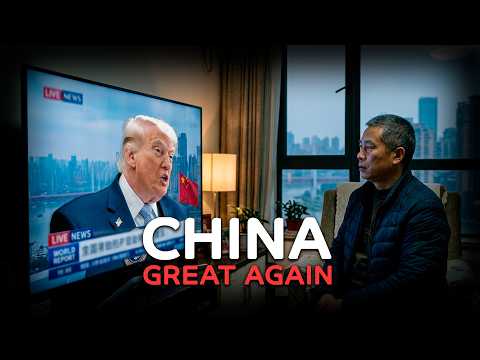
Source material: How Trump Helped China Rise
Summary
China's president Xi Jinping claims that global changes, partly instigated by Donald Trump's policies, have allowed China to enhance its geopolitical standing. Despite a decline in exports to the U.S., China achieved a record trade surplus, reflecting its economic resilience. Analysts argue that Trump's aggressive policies may have inadvertently strengthened China's position on the world stage.
China's exports to the U.S. fell by 20%, while trade with India, Southeast Asia, and the EU increased significantly. This shift indicates a strategic pivot to lessen reliance on American markets. However, China's economy faces serious internal challenges, including overcapacity and deflation, which complicate its global strategy.
China's imposition of export controls on rare earth materials aims to influence U.S. manufacturing, as these materials are critical for various industries. While these controls may initially impact U.S. manufacturers, the potential for rapid adaptation exists, which could diminish the intended effects of such measures.
Countries caught between the U.S. and China are likely to adopt a hedging strategy, avoiding a definitive alignment with either superpower. This approach reflects the complexities of global trade dynamics and the desire for nations to maintain autonomy amid geopolitical tensions.
Perspectives
short
Pro-China Perspective
- Claims that Trumps policies inadvertently bolster Chinas global position
- Highlights Chinas record trade surplus despite reduced exports to the U.S
- Argues that Chinas strategic pivot to other markets compensates for U.S. trade losses
- Proposes that Chinas export controls on rare earths aim to leverage its manufacturing dominance
- Accuses the U.S. of creating instability that benefits Chinas geopolitical strategy
Pro-U.S. Perspective
- Denies that Chinas trade surplus signifies long-term resilience
- Questions the effectiveness of Chinas export controls on U.S. manufacturing
- Rejects the notion that China can fully offset U.S. export losses through trade with other regions
- Highlights the potential for geopolitical tensions to impact Chinas new trade relationships
- Argues that Chinas reliance on U.S. markets remains significant despite diversification efforts
Neutral / Shared
- Observes that trade dynamics are influenced by both internal and external economic factors
Metrics
trade_surplus
1.2 trillion US dollars USD
China's trade surplus
A significant trade surplus indicates China's economic strength despite external pressures.
China had a record trade surplus giving 1.2 trillion US dollars.
retaliatory_tariff
125%
China's tariffs on U.S. goods
High retaliatory tariffs demonstrate China's willingness to engage in economic conflict.
China retaliated on the US with tariffs of 125%.
export
20%
China's exports to the U.S.
A significant decline indicates a shift in trade dynamics.
Last year, China's exports to the US fell about 20%.
export
12.8%
China's exports to India.
Growth in exports to India suggests a strategic pivot.
But if you look at India, they jumped 12.8%.
export
13.5%
China's exports to Southeast Asia.
Increased trade with Southeast Asia reflects diversification efforts.
To Southeast Asian countries, they rose 13.5%.
export
8.4%
China's exports to the EU.
Growth in EU exports indicates a shift in trade focus.
And to the EU, up 8.4%.
market_cap
not even $10 billion US dollars USD
Market cap of the rare earth industry.
Indicates the relatively small size of the rare earth market.
The entire category, the market cap, was not even $10 billion US dollars.
oil_imports
13 to 40%
Iran's contribution to China's oil imports.
Highlights the importance of Iran in China's energy strategy.
Iran accounts for about 13 to 40% of China's oil imports.
Key entities
Timeline highlights
00:00–05:00
Xi Jinping asserts that global changes, partly instigated by Trump's policies, have allowed China to enhance its geopolitical standing. Despite a decline in exports to the U.S., China has achieved a record trade surplus, reflecting its economic resilience.
- Xi Jinping claims that global changes have allowed China to strengthen its position, partly due to unintended consequences of Trumps policies, which China uses to present itself as a stabilizing force
- Despite a decline in Chinese exports to the U.S. from Trumps trade wars, China has recorded a significant trade surplus, indicating resilience in its economy
- The contrasting leadership styles of Trump and Xi shape the U.S.-China relationship, with Trumps impulsive approach potentially giving China an edge in managing diplomatic tensions
- Chinas retaliation against U.S. tariffs with its own significant tariffs showcases its capability to engage in economic conflict effectively
- The U.S. is increasingly viewed as an unreliable partner, prompting other nations to strengthen ties with China, which enhances Chinas geopolitical influence
- Chinas strategic approach, informed by its history with U.S. trade policies, enables it to effectively counter American economic pressures
05:00–10:00
China's exports to the U.S. decreased by 20%, while trade with India, Southeast Asia, and the EU increased significantly.
- Chinas exports to the U.S. fell by 20%, but its trade with India, Southeast Asia, and the EU surged, showing a strategic shift to reduce dependence on the U.S
- By imposing export controls on rare earth materials, China aims to disrupt U.S. manufacturing, potentially creating significant challenges for American industries reliant on these resources
- Despite its industrial strengths, China grapples with serious economic challenges like overcapacity and deflation, which could hinder its long-term growth and global ambitions
- Chinas economic struggles are affecting its international relationships, as countries engaging with it to counterbalance an unreliable U.S. may also face economic fallout
- Chinas economic engagement in countries like Venezuela and Iran reflects a strategy focused on economic interests while avoiding military commitments
- The instability in the Strait of Hormuz poses a significant risk to Chinas oil imports, highlighting the geopolitical challenges it faces in securing energy supplies
10:00–15:00
China's trade with India, Southeast Asia, and the EU has increased significantly, compensating for a 20% drop in exports to the U.S. This indicates a strategic pivot to lessen reliance on American markets.
- Chinas trade with India, Southeast Asia, and the EU increased significantly, compensating for a 20% drop in exports to the U.S, indicating a strategic pivot to lessen reliance on American markets