Geopolitic / Asia
Track Asia geopolitics, strategic competition, regional pressure and escalation signals through structured curated summaries.
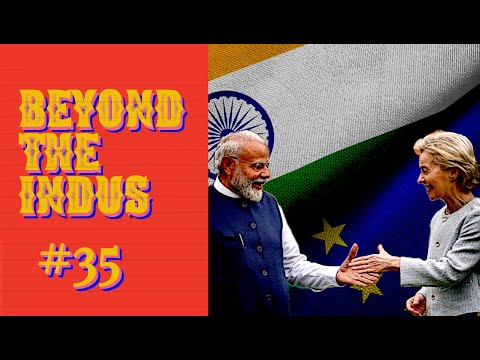
Alliance of the Betrayed: The Quiet Rise of India-EU Relations
Summary
India's relations with the US deteriorated significantly in 2025, marked by high tariffs and a chaotic foreign policy under President Trump. Concurrently, India's ties with the EU strengthened, highlighted by high-level visits and a major free trade agreement. The EU's strategic partnership with India is seen as a response to the shifting geopolitical landscape, particularly in light of the US's unpredictable stance.
The EU is reassessing its foreign policy strategies due to the declining EU-US relationship, which has prompted European nations to seek greater independence from US influence. This shift challenges the foundational beliefs of a liberal rules-based order that relied on the US as a guarantor of international stability. The evolving dynamics necessitate a reevaluation of how Europe engages with global partners, including India.
Historically, the EU and India have collaborated since the 1950s, with significant partnerships emerging in the 2000s. Recent initiatives, such as the Global Gateway Initiative, have positioned India as a key partner for the EU in response to China's growing influence. However, the complexities of geopolitical dynamics and economic dependencies may complicate this partnership.
The ongoing conflict in Ukraine has further highlighted India's strategic importance to Europe, as both parties recognize the need to diversify their foreign relations. Despite historical complexities, the EU is increasingly interested in collaborating with India across various sectors, including trade, security, and defense.
Perspectives
short
Proponents of India-EU Relations
- Highlight the strengthening of India-EU ties amidst US unpredictability
- Emphasize the historical collaboration between India and EU countries
- Point out the strategic importance of India in diversifying European foreign relations
- Advocate for increased cooperation in trade, security, and defense
- Support the idea of mutual understanding and expertise building between India and Europe
Skeptics of India-EU Relations
- Question the effectiveness of the EU-India partnership in counterbalancing Chinas influence
- Highlight the challenges posed by agricultural protectionism in trade negotiations
- Express concerns over the historical alignment of India with Russia affecting EU relations
- Doubt the ability of the EU to present a cohesive defense strategy amidst varying national interests
Neutral / Shared
- Acknowledge the need for both parties to address historical complexities
- Recognize the potential for increased trade and investment opportunities
- Note the importance of addressing funding challenges for South Asian scholars
Metrics
other
the belief in rules-based order and a liberal rules-based order
foundational beliefs of foreign policy
This belief system is crucial for international cooperation.
the belief in rules-based order and a liberal rules-based order
other
the entire belief system of how we think about foreign policy
impact on foreign policy actions
A shift in belief systems can lead to significant changes in international relations.
the entire belief system of how we think about foreign policy
other
massive threats about tariffs that hit Europe similarly to India last year
impact of tariffs on Europe
Tariff threats can destabilize economic relations and increase tensions.
massive threats about tariffs that hit Europe similarly to India last year
other
the current crisis I think has been precipitated by President Trump particularly in his second presidency
causes of the current geopolitical crisis
Identifying causes helps in understanding the dynamics of international relations.
the current crisis I think has been precipitated by President Trump particularly in his second presidency
other
numerous visits of Prime Minister's Chancellor's Presidents of Ministers from different European capitals to New Delhi
indicates increased diplomatic engagement
This reflects a significant shift in European strategy towards India.
you could see this by observing for example the visits of Prime Minister's Chancellor's Presidents of Ministers from different European capitals to New Delhi
other
discussions on security and defense
highlights the focus on security cooperation
This indicates a deepening of strategic ties between India and the EU.
we of course got to the point where we are today with kind of trade or kind of talks in the last round for for free trade agreement for discussions on security and defense
trade
180 billion euros EUR
total trade between India and the EU
This figure highlights the significant economic relationship between the two regions.
there is around 180 billion euros of trade between the two partners
companies
6,000 units
number of European companies operating in India
This number reflects the growing economic ties and investment opportunities.
there are at the moment around 6,000 European companies that are operating in India
Key entities
Timeline highlights
00:00–05:00
India faced the highest tariffs from the US compared to other trade partners, marking a significant downturn in India-US relations. Meanwhile, India's relations with the EU strengthened, highlighted by high-level visits and a major free trade agreement.
- marked a significant downturn in India-US relations, with India facing the highest tariffs from the US compared to other trade partners
- The year was particularly challenging for Europe, as US-EU relations reached new lows under President Trumps second term
- Trumps foreign policy included tariff threats, controversial peace summits, and intentions to seize Greenland, straining NATO alliances
- In contrast, Indias relations with the EU began to strengthen, highlighted by high-level visits from German Chancellor Friedrich Meatz and French President Emmanuel Macron
- The European Commissions President Ursula von der Leyen is set to sign a major free trade agreement with India, termed the mother of all deals
- The evolving India-EU partnership raises questions about the EUs potential as a strategic alternative to the US for India
05:00–10:00
The EU-US relationship is deteriorating, prompting European nations to reassess their foreign policy strategies and dependencies. This shift challenges the foundational beliefs of a liberal rules-based order that relied on the US as a guarantor of international stability.
- The EU-US relationship is deteriorating, impacting the transatlantic alliances foundational beliefs
- Trumps presidency has prompted European countries to reassess their foreign policy strategies and dependencies
- The belief in a liberal rules-based order is challenged by the USs changing role as a guarantor of international stability
- European nations are increasingly considering independent foreign policy actions without US support
- The recent tariff threats and geopolitical tensions have heightened uncertainty for European countries
- Research papers are being published to analyze future US partnerships and areas of conflict with European interests
10:00–15:00
The EU and India have a long history of collaboration, with significant partnerships established since the 1950s. Recent initiatives, such as the Global Gateway Initiative, have positioned India as a key partner for the EU in response to China's influence.
- The EU and India have a long history of collaboration dating back to the 1950s, with significant partnerships formed between Germany and India, and France and India
- The first bilateral strategic partnership between India and Germany was established in 2000, marking a shift in their relations
- In 2004, the EU and India formalized their strategic partnership, paving the way for further cooperation among individual European countries
- Negotiations for a trade deal between the EU and India began in 2007 but ultimately failed due to differing strategic priorities
- Chinas rise overshadowed Indias potential in the early 2000s, leading to a lack of attention from European countries towards India
- The Global Gateway Initiative launched by the EU in 2018 positioned India as a key partner for connectivity in response to Chinas influence
15:00–20:00
India's strategic partnerships are evolving, particularly in light of the Ukraine invasion, with increased European interest in collaboration. The EU recognizes India as a vital partner in diversifying foreign relations, despite historical complexities in their bilateral relationship.
- The invasion of Ukraine in February 2022 prompted a reevaluation of Indias strategic partnerships, particularly with Russia and the EU
- India is recognized as a key player in the global south, leading to increased European interest in strengthening ties
- European leaders have made numerous visits to India, signaling a desire to enhance cooperation and reduce reliance on Russia
- Indias foreign policy is characterized by multi-alignment, balancing relationships with both the US and Russia
- The EU acknowledges the necessity of diversifying its foreign relations, making India a crucial partner
- Discussions on free trade agreements and security cooperation are ongoing between India and the EU
20:00–25:00
India and the EU are working to improve mutual understanding, addressing gaps in expertise on both sides. Trade between India and the EU has surged, with a 90% increase in goods trade over the past decade.
- India and the EU have recognized the need for better mutual understanding, addressing gaps in expertise on both sides
- Historical ties between India and Russia complicate European perceptions of Indias foreign policy
- There are approximately 6,000 European companies currently operating in India, highlighting growing economic ties
- Trade between India and the EU has surged, with a 90% increase in goods trade over the past decade
- Space cooperation is identified as a critical area for collaboration, with both India and Europe needing to enhance their capabilities
- The US and China dominate the space technology sector, prompting India and the EU to seek strategic partnerships
25:00–30:00
Approximately 300,000 Indian nationals reside in Germany as students and skilled workers, highlighting the potential for increased cooperation in sectors like healthcare and construction. However, significant challenges remain, particularly in agriculture and climate policy, which complicate trade negotiations between India and the EU.
- Approximately 300,000 Indian nationals reside in Germany as students and skilled workers
- Indias strong agricultural lobby poses challenges in trade negotiations with the EU
- The EUs carbon border adjustment mechanism is a significant point of contention for Indian negotiators
- Cultural and legal issues arise from cases like that of Arya Shah, highlighting tensions in child protection policies
- Both India and the EU face normative issues regarding minority rights and cultural heritage
- Recent delays in the EU-Mercosur trade deal reflect ongoing agricultural protectionism in Europe