Trucking Industry Challenges and Historical Context
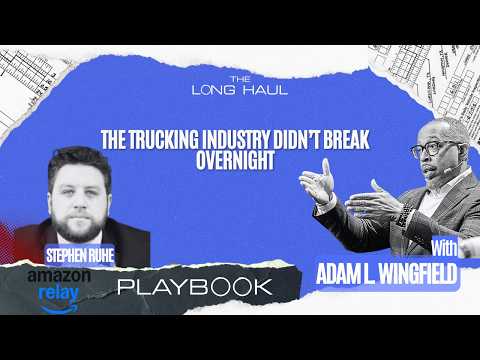
Analysis of trucking industry challenges, based on 'The Trucking Industry Didn't Break Overnight | The Long Haul' | FreightWaves.
OPEN SOURCEThe trucking industry is currently facing significant challenges rooted in historical regulations and a culture of blame among stakeholders. Many in the industry tend to blame external factors rather than addressing their own business practices, which complicates the ability to adapt to modern operational and safety issues.
Understanding the complexities of these issues is essential for fostering effective solutions and promoting transparency in operations. The Motor Carrier Act of 1935 established unregulated private carriers, which has led to ongoing safety concerns and operational inefficiencies.
Social media amplifies the blame culture, often misrepresenting the severity of trucking issues and obscuring the true complexities faced by the sector. Many carriers struggle to thrive because they attribute their failures to external factors like brokers and shippers, rather than addressing their own operational inefficiencies.
Successful small carriers focus on understanding their operating costs and building effective communication with brokers, which is crucial for establishing relationships and securing direct contracts with shippers. The industry requires a significant overhaul that prioritizes driver safety and modern equipment standards.
The current emphasis on regulatory enforcement presents an opportunity for the trucking industry, but its sustainability is uncertain due to political influences. Engaging in meaningful discussions and recognizing the historical context of the industry can enhance carriers' ability to adapt and thrive in a rapidly evolving environment.
- Blame external factors like brokers and shippers for industry struggles
- Struggle to thrive due to a lack of understanding of operational costs
- Emphasize the need for accountability and understanding of internal practices
- Highlight the importance of building relationships and effective communication
- Social media amplifies the blame culture in the trucking industry
- Historical regulations continue to impact modern trucking operations
- The trucking industry is currently plagued by a culture of blame, with stakeholders like brokers, carriers, and drivers focusing on each others faults rather than addressing deeper issues
- Misunderstandings about trucking history lead to oversimplified views of current challenges, as many stakeholders react to symptoms instead of identifying root causes
- Success in trucking relies on transparency and understanding key operational metrics, emphasizing data-driven decision-making over assumptions
- Stephen Ruhe, a seasoned trucking operator, underscores the significance of historical context in grasping the complexities of todays trucking landscape
- The discussion encourages a shift from blame to proactive adaptation, challenging prevailing narratives and promoting effective problem-solving
- Stephen Ruhe, a third-generation trucking operator, transitioned to the trucking industry during the COVID pandemic, drawing parallels between the medical field and trucking
- His interest in history, particularly in trucking, highlights the misconception that current industry challenges emerged suddenly, when in fact they have deep historical roots
- Ruhe contends that the Motor Carrier Act of 1980 is often wrongly blamed for modern trucking issues, which actually stem from a longer history dating back to the late 19th century
- Prior to federal oversight in 1935, the trucking industry was dominated by small operators and was marked by chaotic practices, including illegal activities during Prohibition
- Understanding the historical context is crucial for comprehending todays trucking complexities, as many narratives fail to capture the full scope of the situation
details
- Before 1935, the trucking industry operated without federal regulation, leading to chaotic practices, high accident rates, and unsafe working conditions due to long hours and inadequate equipment
- The growth of trucking was influenced by rapid industrialization and immigration, which increased demand for transportation but also resulted in labor exploitation and unsafe environments
- Prohibition significantly impacted the trucking sector, contributing to the formation of labor unions and shaping workplace dynamics and regulations
- The Motor Carrier Act of 1935 was initially a safety measure but evolved into an economic policy, failing to address the contemporary challenges faced by the industry
- The Teamsters advocacy for safety regulations underscores the ongoing fight for worker rights and safety standards, a concern that remains relevant for todays truckers
- The deregulation of the trucking industry in 1980 is often cited as a cause of current issues, but the origins of these problems trace back to the Motor Carrier Act of 1935
- The 1935 act established three classes of carriers, leading to a surge in the unregulated private carrier sector, which handled 40 to 55% of all freight by 1975, surpassing regulated carriers
- Safety concerns have risen in the private carrier industry, with studies showing that one in five vehicles on the road today are unsafe, an improvement from one in three in 1975
- The Department of Transportation has struggled to manage safety effectively, falling short compared to the previous oversight by the Interstate Commerce Commission
- Regulatory changes have led to unintended consequences, including predatory leasing practices and ongoing safety challenges within the trucking industry
details
- The trucking industrys regulatory history extends beyond the 1980 deregulation, significantly affecting current operations
- Regulated carriers, numbering around 16,600, were primarily larger and more stable, while unregulated private carriers outnumbered them, leading to safety and operational issues
- The Interstate Commerce Commission (ICC) enforced strict financial oversight on regulated carriers, impacting their operational costs and rates, unlike the unregulated private sector
- In the late 1970s, the Teamsters influence raised driver wages for regulated carriers, which increased operating costs and complicated competition
- Increased government involvement in the trucking industry poses risks, as historical precedents show that financial transparency requirements can lead to unintended consequences
details
- Government involvement in the trucking industry can have negative effects, particularly regarding broker transparency, which may reduce profit margins instead of improving them
- Historical regulations from 1935 are revisited, showing how private carriers exploited legal loopholes to bypass restrictions, such as using buy-and-sell tactics to profit from transportation without being classified as profit-driven
- The Interstate Commerce Commission (ICC) enforced strict operating ratios for regulated carriers, prompting private carriers to develop creative financial strategies to evade these limitations
- The current regulatory landscape reflects past issues, with many carriers lacking sufficient safety oversight due to limited resources within the Federal Motor Carrier Safety Administration (FMCSA)
- While safety inspection rates have seen slight improvements over the years, the overall safety of trucks has not necessarily increased, raising questions about the effectiveness of existing regulations
details
- Trucking regulations have largely remained static since the 1930s, failing to adapt to modern operational and safety needs
- The hours of service rules from 1937 do not account for advancements in understanding driver fatigue and individual differences
- Attributing current trucking challenges solely to deregulation oversimplifies the industrys complex historical evolution
- Deregulation has led to a surge in small carriers, with over 190,000 operating fewer than six trucks, altering market dynamics significantly
- The lack of media focus on trucking results in federal regulations not evolving to meet contemporary challenges, perpetuating outdated practices
- The regulatory framework of the trucking industry has remained largely unchanged since the 1930s, resulting in rules that do not adequately address current safety and operational challenges
- While deregulation in 1980 is frequently blamed for contemporary issues, it was more a reflection of existing conditions than the root cause of the problems faced today
- Significant historical events, such as the 1959 Roseburg explosion, underscore the necessity for safety regulations, which were only enacted following major incidents involving unregulated carriers
- A critical issue in the industry is the lack of enforcement of existing regulations, as many safety measures are not effectively applied, allowing unsafe practices to continue
- The digitization of historical trucking regulation documents is limited, with less than half available online, complicating the understanding of the industrys regulatory history
details
details
details
- Understanding the historical context of trucking regulations is essential, as many laws were created during the Great Depression and do not address todays socio-economic realities
- Deregulation in 1980 is often misunderstood; it increased the number of carriers but overlooked the significant number of private carriers, which outnumbered regulated ones by nearly ten to one
- Social media highlights trucking issues but can misrepresent their severity, as seen in the case of non-domicile CDLs, which were based on a limited number of incidents despite a much larger context of fatalities
- The perception of a crisis in the trucking industry is often exaggerated by social media outrage, which can obscure the true complexities and challenges faced by the sector
details
details
details
details
- Social media often exaggerates incidents in trucking, leading to a perception of ongoing crises that oversimplifies the industrys complexities
- The trucking sector is frequently portrayed negatively, focusing on sensationalized events rather than the deeper safety and regulatory challenges it faces
- Many carriers struggle to thrive because they attribute their failures to external factors like brokers and shippers, rather than addressing their own operational inefficiencies
- A lack of financial awareness causes some carriers to operate at a loss, reflecting a broader trend of evading personal responsibility in favor of blaming others
- The industry requires a significant overhaul that prioritizes driver safety and modern equipment standards, moving away from outdated regulations that no longer serve current needs
details
- The trucking industry faces a significant lack of accountability, with many operators blaming external factors instead of evaluating their own business practices
- Social media intensifies mistrust between brokers and carriers, creating negative perceptions that obstruct constructive relationships
- Establishing strong relationships is essential for success in trucking, as personal connections can influence financial outcomes more than operational efficiency
- A generational trend in the industry leans towards blaming others for challenges, which hampers growth and the ability to adapt
- Small carriers often have transactional relationships with brokers, which limits the potential for deeper, more meaningful connections
- While communication issues are frequently cited as a problem, over-reliance on technology can lead to complacency, making proactive communication essential
- Successful small carriers are those who understand their operating costs and maintain effective communication with brokers, which can help them access direct shipper relationships
- The current emphasis on regulatory enforcement presents an opportunity for the trucking industry, but its sustainability is uncertain due to political influences
- A historical perspective indicates that addressing the root causes of industry challenges is vital for achieving long-term improvements, rather than simply modifying existing regulations
- The trucking industry struggles with significant challenges stemming from a lack of honest communication, which is worsened by social medias tendency to promote oversimplified narratives
- Small carriers have historically been essential to the trucking sector, handling the majority of work despite facing regulatory changes and market volatility
- Successful small carriers focus on understanding their operating costs and building effective communication with brokers, which is crucial for establishing relationships and securing direct contracts with shippers
- The industry needs to embrace deeper analysis and accountability instead of resorting to blame, as the complexities of trucking go beyond superficial issues
- Engaging in meaningful discussions and recognizing the historical context of the industry can enhance carriers ability to adapt and thrive in a rapidly evolving environment
The prevailing blame culture in trucking obscures the deeper systemic issues that have evolved over decades. Inference: If stakeholders continue to focus on finger-pointing rather than addressing outdated regulations and operational transparency, the industry will struggle to adapt and thrive. This oversight neglects the need for a comprehensive understanding of historical context, which is crucial for informed decision-making and sustainable growth.
This analysis is an original interpretation prepared by Art Argentum based on the transcript of the source video. The original video content remains the property of the respective YouTube channel. Art Argentum is not responsible for the accuracy or intent of the original material.