Chinese Automakers and U.S. Market Dynamics
Analysis of Chinese automakers' strategies in the U.S. market, based on "Chinese Cars Infiltrate America Anyway; U.S. Fees Fleece EV & Hybrid Drivers" | Autoline Network.
OPEN SOURCEChinese automakers are actively pursuing entry into the U.S. market despite bipartisan efforts to restrict their presence. Companies like Geely and Great Wall Motor are planning local production to capitalize on market opportunities. E-car X, backed by Geely's CEO, aims to manufacture electric robotaxis in the U.S., asserting that sourcing from China will lower costs despite existing tariffs.
Xpeng has initiated mass production of robotaxis that rely on cameras and AI technology instead of LiDAR, indicating a technological shift in autonomous vehicles. WeRide has reported a 58% year-over-year revenue increase and plans to expand its robotaxi fleet significantly, raising concerns about the impact on traditional car sales.
Carvana's acquisition of Stellantis dealerships has sparked worries among traditional dealers regarding competition and pricing. Proposed U.S. legislation seeks to impose annual fees on electric and hybrid vehicles, which critics argue disproportionately affects these vehicles compared to gasoline-powered cars.
Renault is preparing to launch the Niagara pickup truck in Latin America, designed to accommodate various fuel types and drive configurations. Geely is acquiring its Radar brand for $32 million, focusing on electric and hybrid trucks to strengthen its market presence.
The auto lending market is facing risks as subprime borrowers now account for a significant share of car loans, raising concerns about the sustainability of this trend as lenders ease their standards.
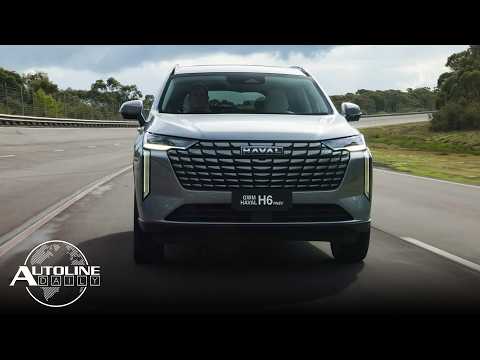
- Chinese companies leverage expertise in robotaxis to enter the U.S. market
- Local production plans by Geely and Great Wall Motor indicate strong market interest
- Increased subprime lending poses risks to the auto markets stability
- Renaults Niagara pickup truck aims to cater to diverse fuel needs
- Geelys acquisition of Radar brand strengthens its position in electric and hybrid trucks
- Despite bipartisan efforts to restrict Chinese automotive presence, companies like Geely and Great Wall Motor are actively seeking to enter the U.S. market with plans for local production
- E-car X, supported by Geelys CEO, intends to manufacture electric robotaxis in the U.S, asserting that sourcing from China will lower costs despite existing tariffs
- Xpeng has initiated mass production of robotaxis that rely on cameras and AI technology instead of LiDAR, indicating a technological shift in autonomous vehicles
- WeRide has reported a 58% year-over-year revenue increase and plans to expand its robotaxi fleet from 1,300 to 200,000 vehicles within five years, raising concerns about the impact on traditional car sales
- Carvanas acquisition of Stellantis dealerships has sparked worries among traditional dealers regarding competition and pricing, as Carvanas model enables lower prices and home delivery options
- Proposed U.S. legislation seeks to impose annual fees on electric and hybrid vehicles, which critics argue disproportionately affects these vehicles compared to gasoline-powered cars
details
details
details
details
- Renault is launching the Niagara pickup truck in Latin America, designed with a versatile platform that accommodates various fuel types and drive configurations, including mild hybrid options
- Geely is acquiring its Radar brand, which focuses on electric and hybrid trucks, for $32 million, aiming to strengthen its market presence across multiple regions
- The auto lending market is facing risks as subprime borrowers now account for 15.4% of car loans, the highest proportion since 2021, raising concerns about the sustainability of this trend as lenders ease their standards
The assumption that imposing fees on EVs and hybrids will ensure they contribute fairly to road maintenance overlooks the broader implications of market dynamics. Inference: The proposed fees may inadvertently stifle EV adoption, as they disproportionately burden consumers who are already investing in cleaner technologies. Additionally, the rapid expansion of robotaxi fleets raises questions about the sustainability of traditional car sales, which could lead to significant market disruption.
This analysis is an original interpretation prepared by Art Argentum based on the transcript of the source video. The original video content remains the property of the respective YouTube channel. Art Argentum is not responsible for the accuracy or intent of the original material.