Politics / United States
China's Role in the U.S.-Iran Tensions
China's restrained reaction to U.S. military actions in Iran indicates a strategic approach aimed at establishing itself as a reliable alternative to an unpredictable America. Chinese officials express concerns about U.S. policies, recognizing that their economic growth is dependent on stable global markets and secure maritime routes.
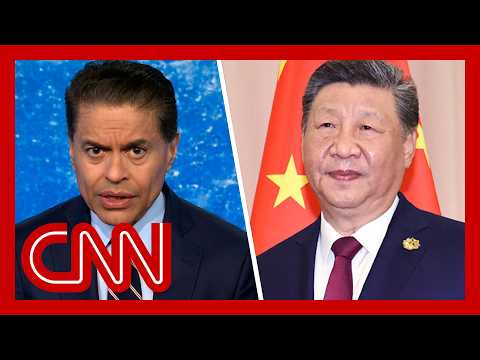
Source material: How Trump's Iran approach is quietly fueling China's rise | Fareed’s Take
Summary
China's restrained reaction to U.S. military actions in Iran indicates a strategic approach aimed at establishing itself as a reliable alternative to an unpredictable America. Chinese officials express concerns about U.S. policies, recognizing that their economic growth is dependent on stable global markets and secure maritime routes.
The current crisis presents an opportunity for China to bolster its economic influence, particularly in emerging technologies like green energy, robotics, and artificial intelligence, where it already has a strong market presence. The ongoing conflict in Iran has heightened global interest in energy alternatives, enabling China to strengthen its position in green technologies and expand its influence through financial and infrastructure investments.
China aspires to elevate the Renminbi to a global reserve currency status, challenging the dominance of the U.S. dollar and potentially altering global financial dynamics. If the correlation of forces continues to move in China's favor, it may eventually seek to assume the mantle of the world's leading power.
Iran's recent decision to reopen the Strait of Hormuz was quickly retracted due to perceived breaches of trust by the United States, underscoring the fragility of U.S.-Iran relations. President Trump's aggressive rhetoric, including threats to destroy Iranian infrastructure, has intensified distrust, leading Iran to view U.S. actions as potential setups for military conflict rather than sincere negotiations.
Perspectives
short
China's Strategic Positioning
- Positions itself as a reliable alternative to an unpredictable America
- Aims to leverage the U.S.-Iran conflict to enhance its global influence
U.S. Actions and Iranian Response
- Aggressive U.S. rhetoric exacerbates distrust and complicates negotiations
- Irans leadership is skeptical of U.S. intentions based on past experiences
Neutral / Shared
- Irans leadership exhibits a more aggressive military strategy compared to previous administrations
- Both nations face internal pressures that complicate their foreign relations
Metrics
other
75%
battery production
Leading battery production is crucial for electric vehicle and renewable energy markets
75% of the batteries.
other
70%
electric vehicle supply
Dominance in electric vehicle supply positions China at the forefront of the green transition
It supplies 70% of all electric vehicles on the planet.
other
90 countries
financed projects by Beijing
Financing projects in numerous countries solidifies China's global influence
Beijing financed projects imports in 90 countries around the world.
other
40 days war
duration of conflict referenced
This timeframe indicates the ongoing nature of tensions and negotiations
through the 40 days war they did make some strategic gains
Key entities
Timeline highlights
00:00–05:00
China's restrained reaction to U.S. military actions in Iran reflects a strategic approach to position itself as a reliable alternative to an unpredictable America.
- Chinas restrained reaction to U.S. military actions in Iran indicates a strategic approach aimed at establishing itself as a reliable alternative to an unpredictable America
- Chinese officials now express concerns about U.S. policies, recognizing that their economic growth is dependent on stable global markets and secure maritime routes
- The current crisis presents an opportunity for China to bolster its economic influence, particularly in emerging technologies like green energy, robotics, and artificial intelligence, where it already has a strong market presence
- The ongoing conflict in Iran has heightened global interest in energy alternatives, enabling China to strengthen its position in green technologies and expand its influence through financial and infrastructure investments
- China aspires to elevate the Renminbi to a global reserve currency status, challenging the dominance of the U.S. dollar and potentially altering global financial dynamics
05:00–10:00
China is leveraging the current geopolitical climate to enhance its global standing while the U.S. faces challenges in its foreign relations.
- Irans recent decision to reopen the Strait of Hormuz was quickly retracted due to perceived breaches of trust by the United States, underscoring the fragility of US-Iran relations
- President Trumps aggressive rhetoric, including threats to destroy Iranian infrastructure, has intensified distrust, leading Iran to view US actions as potential setups for military conflict rather than sincere negotiations
- The current Iranian leadership, while hawkish, believes they have gained strategic advantages during the conflict and are open to negotiations, provided they can trust the US to act honestly
- Skepticism about US intentions is rooted in past experiences, particularly during the Geneva negotiations, where Iran felt it was negotiating in good faith only to face military action
- The Iranian leaderships approach is complex, combining aggressive posturing with a willingness to engage diplomatically if conditions are deemed favorable
10:00–15:00
China's strategic response to U.S. military actions in Iran highlights its ambition to position itself as a global power.
- Irans current leadership exhibits a more aggressive military strategy compared to previous administrations, indicating a significant shift in their approach to conflict
- The Iranian regime is under internal pressure to maintain public support, especially as citizens are being asked to make substantial sacrifices for the ongoing conflict
- President Trumps assertions that Iran has conceded in negotiations create challenges for Iranian leaders, complicating their efforts to sustain domestic backing
- The new Iranian leadership presents a unified, hawkish stance, which may increase the likelihood of direct confrontations with the United States and its allies
- Despite their aggressive posture, Iranian leaders remain open to negotiations, reflecting a strategy that balances military readiness with diplomatic engagement