Politics / United States
United States politics page with daily media monitoring across Reuters, AP, CNN, Fox News and The Washington Post, structured summaries of domestic political developments and a country-level press overview.
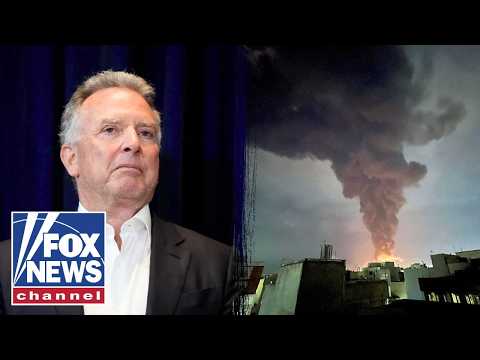
DEVELOPING: US, Iran reportedly open direct line of communication
Summary
Direct communication between Iran and the U.S. has been confirmed, with Iran's foreign minister reportedly contacting U.S. envoy Steve Whitkopf. President Trump acknowledges the possibility of talks but expresses uncertainty about Iran's readiness for negotiations. The ongoing military pressures and internal power dynamics in Iran complicate the situation.
President Trump continues to advocate for a coalition to protect the Strait of Hormuz, emphasizing the importance of international cooperation. Despite the U.S. military presence, key allies like Germany, Italy, and Japan have declined to send ships to the region. The economic implications of the conflict are significant, with rising oil prices affecting the U.S. economy.
Iran's strategy appears to focus on outlasting U.S. pressures rather than seeking outright military defeat. The potential for Iran to leverage economic pressure raises concerns about the effectiveness of U.S. strategies. The complexities of global oil markets and Iran's ability to export oil to countries like China further complicate the geopolitical landscape.
Control over Carg Island is crucial, as it impacts military capabilities and oil exports. The U.S. has already diminished Iran's military aircraft capabilities, but the oil trade remains a significant factor. The reliance of Asian countries on oil from the Strait of Hormuz presents a challenge for U.S. policy, as these nations have not contributed to coalition efforts.
Perspectives
short
U.S. Position
- Confirms direct communication between Iran and the U.S
- Advocates for a coalition to protect the Strait of Hormuz
- Highlights rising oil prices affecting the U.S. economy
- Emphasizes the importance of international cooperation
- Expresses confidence in U.S. military strategies
Iran Position
- Denies contact with U.S. officials
- Focuses on outlasting U.S. pressures economically
- Maintains military capabilities despite U.S. actions
- Continues oil exports to China despite sanctions
- Exhibits internal power struggles affecting decision-making
Neutral / Shared
- Notes the complexities of global oil markets
- Acknowledges the reliance of Asian countries on oil from the Strait of Hormuz
- Questions the effectiveness of U.S. strategies in the region
Metrics
military_presence
45,000 soldiers units
U.S. military presence in the region
This number indicates the scale of U.S. commitment to regional security.
we have 45,000 soldiers, great soldiers protecting them from Hormz's way
ship_cost
up to two billion dollars USD
Cost of military ships
High costs may deter allies from contributing naval support.
these ships are very expensive. They can cost up to two billion dollars.
gas_price
prices exceed $5 a gallon USD
Retail gas prices in the U.S.
Rising gas prices can influence public sentiment and policy decisions.
for only the second time, had their retail, these are prices exceed $5 a gallon.
exports
one to two million barrels
Iran's daily oil exports
This volume undermines sanctions and complicates U.S. efforts.
Iran is sending out a million to two million barrels a day
Key entities
Timeline highlights
00:00–05:00
Direct communication between Iran and the U.S. has been confirmed, although President Trump is uncertain about Iran's readiness for negotiations.
- Direct communication between Iran and the U.S. has been confirmed, but Trump is unsure if Iran is ready for negotiations
05:00–10:00
The U.S. has significant leverage over oil shipments in the Strait of Hormuz, impacting Iran's oil exports to China.
- The U.S. has leverage over oil shipments in the Strait of Hormuz, raising questions about Irans discounted oil exports to China
- Asian countries depend on oil from the Strait of Hormuz but are not contributing to coalition efforts, creating an imbalance
- Controlling Carg Island is crucial for regional dominance, according to Harley Lippman
- Iran exports one to two million barrels of oil daily, undermining sanctions and necessitating a coordinated response
- Lippman warns that a premature U.S. withdrawal could enhance Irans missile capabilities
- Irans economic pressure aims to outlast U.S. influence rather than defeat it militarily