Politics / United States
United States politics page with daily media monitoring across Reuters, AP, CNN, Fox News and The Washington Post, structured summaries of domestic political developments and a country-level press overview.
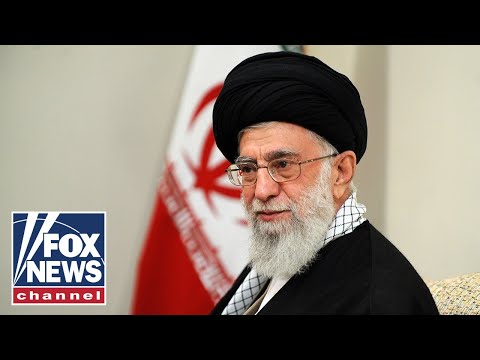
'LAUGHABLE': Dem BLASTED for 'spin' on Khamenei comment
Summary
A Michigan Democratic Senate candidate's comments about voter sadness following the death of former Iranian Supreme Leader Khamenei have sparked controversy. The candidate, Abdul Al-Sahia, faces criticism for his remarks, which some perceive as out of touch with the broader electorate's sentiments.
Noah Rothman from National Review highlights the tight race in Michigan, emphasizing the need for Al-Sahia to appeal to progressive activists to secure a primary victory. However, Rothman questions whether this strategy will resonate with the diverse voter base in the state.
Rothman critiques Al-Sahia's pivot to discussing the Epstein files as a distraction, arguing that it fails to address the pressing concerns of voters. He suggests that the candidate's approach may reflect his own frustrations rather than those of his constituents.
In California, the primary race is becoming increasingly competitive, with the potential for two Republicans to emerge as leading candidates. This scenario raises concerns about misalignment with the typical preferences of California voters.
Perspectives
short
Michigan Democratic Candidate Supporters
- Argue that voter sentiments should be acknowledged in political discourse
- Claim that progressive activism is essential for winning the primary
- Highlight the need for candidates to connect with diverse voter concerns
Critics of the Democratic Candidate
- Accuse the candidate of being out of touch with the electorate
- Reject the candidates strategy as ineffective for broader appeal
- Question the relevance of discussing unrelated issues like the Epstein files
Neutral / Shared
- Acknowledge the tight race in Michigans Democratic primary
- Recognize the potential for unexpected outcomes in Californias blanket primary system
Metrics
percentage_difference
1.85 %
average difference in the last four presidential elections in Michigan
This indicates the competitiveness of elections in Michigan.
the average difference was 1.85 percentage points.
risk_chance
15 %
chance of losing the governorship and down ballot races in California
This highlights the potential for significant political shifts in California.
there's risk ahead at 15% chance of calamity.
Key entities
Timeline highlights
00:00–05:00
A Michigan Democratic Senate candidate's comments regarding voter sentiments after Khamenei's death have generated significant backlash, highlighting the complexities of U.S.-Iran relations. In California, the primary race is becoming competitive, with concerns that two Republicans could emerge as leading candidates, potentially misaligning with voter preferences.
- A Michigan Democratic Senate candidates comments about some voters mourning Khameneis death have sparked considerable backlash, reflecting the complex emotions tied to U.S.-Iran relations
- Noah Rothman suggests the candidates remarks aim to appeal to progressive activists, but he doubts this approach will resonate with Michigans wider electorate
- The candidates emphasis on anti-war views may stem from personal frustrations, raising questions about his ability to represent the diverse opinions of his constituents
- In California, the primary race is becoming competitive, with the possibility that two Republicans could emerge as the leading candidates, potentially misaligning with typical voter preferences
- Rothman cautions that blanket primaries could weaken party representation, allowing candidates who do not align with party ideologies to advance, which may disrupt traditional candidate selection processes
- The changing landscape of primary elections indicates a growing disconnect between voter preferences and party strategies, highlighting significant implications for party control and candidate viability