Politics / United States
United States politics page with daily media monitoring across Reuters, AP, CNN, Fox News and The Washington Post, structured summaries of domestic political developments and a country-level press overview.
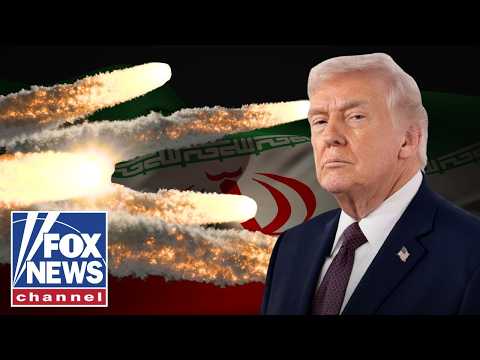
Iran warns of RETALIATION ahead of Trump’s 48-hour ultimatum deadline
Summary
Tensions between the U.S. and Iran are escalating, with President Trump issuing a 48-hour ultimatum for Iran to reopen the Strait of Hormuz. Iran has responded defiantly, threatening to target U.S. assets and critical infrastructure in the region if attacked. The situation is further complicated by Iran's missile capabilities, which have expanded significantly, allowing them to reach targets well beyond the Middle East.
Iran's military actions, including missile strikes on U.S. and U.K. positions, demonstrate their willingness to engage in conflict. The Iranian parliament has warned that any U.S. strikes on their power grid would lead to severe retaliatory measures, including the closure of the Strait of Hormuz. This escalation raises concerns about the potential for widespread damage and instability in the region.
U.S. officials, including military experts, emphasize the need for a strategic response to Iran's threats. Suggestions include targeting key Iranian infrastructure to weaken their capabilities and deter further aggression. However, the reliance on military solutions raises questions about the potential for retaliation and the broader implications for regional stability.
Perspectives
short
U.S. stance on Iran's threats
- Issues a 48-hour ultimatum for Iran to reopen the Strait of Hormuz
- Threatens to obliterate Irans power grid if demands are not met
- Considers military action to target Iranian infrastructure
- Highlights Irans missile capabilities as a significant threat
- Calls for strategic responses to deter Iranian aggression
Iran's response to U.S. threats
- Warns of targeting U.S. assets and critical infrastructure if attacked
- Promises to close the Strait of Hormuz entirely in response to U.S. strikes
- Claims to have the capability to strike deep into Europe
- Denies any intention to comply with U.S. demands
- Describes U.S. actions as aggressive and provocative
Neutral / Shared
- Missile strikes on Diego Garcia demonstrate Irans expanding reach
- Military experts discuss the implications of U.S. actions on regional stability
Metrics
population
90 million people
population of Iran
A large population increases the potential impact of any military action.
potentially plunging the nation of 90 million people in the complete darkness
missile_range
more than 2,000 miles
range of missiles fired by Iran
This range indicates Iran's capability to strike targets far beyond its borders.
the range surprised many people more than 2,000 miles
missile_range
2,500 miles
range of missiles fired by Iran
This extended range suggests a significant increase in Iran's military capabilities.
Those missiles traveled some 2,500 miles
missile_range
4,000 kilometers
range of Iranian missiles
This range indicates a significant threat to targets far beyond the Middle East.
they've got missiles that go 4,000 kilometers.
enriched_uranium
90 percent %
level of uranium enrichment
This level of enrichment is sufficient for nuclear weapons production.
They were two weeks away from having 90 percent enriched uranium to make 10 bombs.
Key entities
Timeline highlights
00:00–05:00
Tensions between the U.S. and Iran are escalating, with President Trump issuing a 48-hour ultimatum for Iran to reopen the Strait of Hormuz.
- President Trump has issued a 48-hour ultimatum to Iran to reopen the Strait of Hormuz or face severe consequences, including potential destruction of its power grid. This threat could leave Iran in darkness and cripple its infrastructure
- Iran has pledged to retaliate against U.S. assets and critical infrastructure in the region if provoked
- Iran has showcased its military strength by launching long-range missiles targeting U.S. and U.K
- The speaker of Irans parliament has warned that any U.S. attacks on their energy infrastructure will trigger significant retaliatory actions
- President Trump has stated that Irans historical actions will result in serious repercussions if they do not meet U.S. demands
- Retired Air Force Brigadier General John Teichert remarked that while the attempted strike on Diego Garcia may not change the game, it reveals Irans capability and intent to cause harm. This situation raises concerns about regional and global security
05:00–10:00
Iran's missile capabilities have expanded, posing threats to civilian infrastructure beyond the Middle East. The U.S.
- Irans missile capabilities have significantly increased, enabling threats to targets well beyond the Middle East, which raises alarms about potential damage to civilian infrastructure
- The U.S. ambassador to the UN pointed out that Iran has hidden advancements in missile technology under the pretense of a space program
- Irans history as a state sponsor of terrorism underscores its imminent threat to global security, as evidenced by its willingness to target civilian facilities
- Senator Lindsey Graham suggested reclaiming Carg Island to disrupt Irans oil revenue, which is vital for sustaining its regime
- Retired Brigadier General John Tyker advocates for imposing heavy costs on Iran, arguing that destroying power plants or seizing strategic locations could pressure Iranian leaders to alter their aggressive stance
- The ongoing threats from Iran emphasize the urgent need for a strong U.S. response to avert further escalation