Politics / United Kingdom
US-Israel Relations and Ceasefire Negotiations
Negotiations for a ceasefire in the ongoing conflict are complicated by Iran's insistence on including Lebanon in the discussions, which Israel opposes. The exclusion of Israel from US-led talks indicates a significant shift in the dynamics of US-Israel relations, raising concerns about Israel's security and influence in the region.
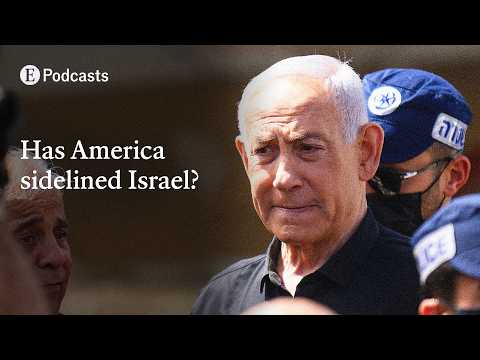
Source material: Has America frozen Israel out of ceasefire talks with Iran? | The Economist
Summary
Negotiations for a ceasefire in the ongoing conflict are complicated by Iran's insistence on including Lebanon in the discussions, which Israel opposes. The exclusion of Israel from US-led talks indicates a significant shift in the dynamics of US-Israel relations, raising concerns about Israel's security and influence in the region.
Despite the announcement of a ceasefire, Iranian missile attacks continue, highlighting the challenges Israel faces in achieving its war aims. Netanyahu's political situation complicates matters, as he seeks to maintain a strong stance ahead of upcoming elections, which may lead to further military actions in Lebanon.
The relationship between Israel and America, once characterized by unprecedented cooperation against Iran, is showing signs of strain. Criticism from key figures in the Trump administration regarding Israel's strategies suggests a growing distance between the two allies.
As the war in Iran appears to be winding down, the blame game between Jerusalem and Washington is intensifying. The lack of a cohesive strategy to address Iran's nuclear ambitions and military actions could undermine the US-Israel partnership moving forward.
Perspectives
Analysis of US-Israel relations and ceasefire negotiations.
Israel's Position
- Rejects inclusion of Lebanon in ceasefire negotiations
- Maintains military operations against Iranian threats
- Seeks to demonstrate strength ahead of elections
- Claims alignment with US interests despite exclusion from talks
- Pushes back against Iranian demands for a formal ceasefire
Iran's Position
- Demands inclusion of Lebanon in ceasefire discussions
- Continues missile attacks despite ceasefire announcement
- Insists on formal ceasefire conditions before negotiations
- Maintains a strong nuclear program despite international pressure
- Challenges Israels military actions in the region
Neutral / Shared
- Highlights the complexity of US-led negotiations
- Notes the evolving dynamics of US-Israel relations
- Acknowledges the impact of domestic politics on military decisions
Metrics
other
Trump told Netanyahu to tone the air strikes down in Lebanon
US directive to Israel
This indicates US influence over Israeli military actions.
Trump told Netanyahu to tone the air strikes down in Lebanon.
other
the talks in Islamabad can go ahead
Condition for US-Iran negotiations
The success of these talks is contingent on the ceasefire.
I think everybody is waiting for Trump probably to have that call with Netanyahu and say hold off now and accept the ceasefire for a few days at least.
military_action
missiles were still being fired units
Iran's military actions during the ceasefire
Continued missile attacks indicate ongoing conflict despite diplomatic efforts.
The Iranian missiles were still being fired, even in an hour after Trump announced the ceasefire.
political_timing
six months
Timeframe until Netanyahu's election
The approaching election heightens pressure on Netanyahu to maintain a strong stance.
he's facing an election in about six months
Key entities
Timeline highlights
00:00–05:00
The negotiations for a ceasefire are complicated by Iran's demand to include Lebanon, which Israel opposes. The exclusion of Israel from US-led discussions indicates a shift in the dynamics of US-Israel relations.
- The inclusion of Lebanon in ceasefire talks, as demanded by Iran, complicates negotiations and poses a risk of prolonging the conflict
- Israels exclusion from US-led discussions with Iran raises concerns about the alignment of US and Israeli interests, indicating a shift in their relationship dynamics
- Current negotiations are occurring without Israeli involvement, suggesting that the resolution may not align with Israels strategic goals
- Irans insistence on a formal ceasefire in Lebanon could put pressure on the overall ceasefire, complicating mediation efforts by the US
- The US-Israel relationship appears strained, as Israel may need to accept terms set by the US to end the war, limiting Netanyahus options
- The ongoing conflict underscores the difficulties in transitioning from warfare to peace negotiations, highlighting that ending wars can be more challenging than initiating them
05:00–10:00
Iran's missile attacks persist despite a ceasefire, putting pressure on Netanyahu as elections approach. The evolving dynamics of US-Israel relations may lead to significant shifts in military and diplomatic strategies in the region.
- Irans missile attacks continue despite the ceasefire, pressuring Netanyahu to adopt a firm stance ahead of elections
- Signs of strain in the US-Israel relationship could affect future military and diplomatic strategies in the region
- Netanyahu faces increased scrutiny from former Trump administration officials, which may weaken Israels negotiating power
- The blame game between Jerusalem and Washington is escalating, complicating Israels influence over US decisions
- Current tensions suggest a reevaluation of the US-Israel partnership, potentially reshaping regional alliances
- Netanyahus need to demonstrate strength in Lebanon complicates ceasefire negotiations and impacts his domestic and international standing