Politics / Saudiarabia
Pluralistic review of domestic politics through national press, media commentary and public debate across diverse political perspectives. Topic: Saudiarabia. Updated briefs and structured summaries from curated sources.
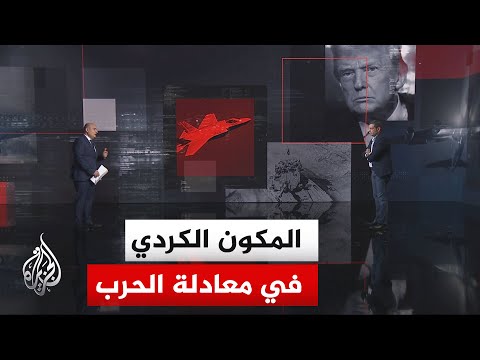
نافذة تحليلية| ما دلالات استدعاء ترمب ملف الأكراد قبيل انتهاء المهلة الأمريكية لإيران؟
Summary
President Trump's renewed focus on the Kurdish issue reflects a strategic maneuver in U.S.-Iran negotiations. The involvement of Kurdish forces raises concerns about regional stability and the potential for foreign interference in Iran.
Kurdish groups in Iran represent a significant internal challenge to the Iranian regime, complicating the perception of national unity. The U.S. support for these groups may inadvertently exacerbate tensions rather than stabilize the region.
The current geopolitical landscape indicates that U.S. actions regarding Kurdish autonomy could lead to unintended consequences. The complex historical and socio-political dynamics suggest that external manipulation of Kurdish aspirations may not yield the desired outcomes.
Iran's internal challenges, including the Kurdish population's aspirations, highlight the regime's vulnerabilities. The interplay between U.S. foreign policy and Iranian internal politics remains critical in understanding the broader implications for regional security.
Perspectives
Analysis of U.S. policy regarding Kurdish issues in Iran.
Pro-Kurdish Support
- Highlights Kurdish groups as significant internal challenges to the Iranian regime
- Proposes that Kurdish aspirations for autonomy complicate national unity in Iran
Anti-Kurdish Support
- Claims that external support for Kurdish groups overlooks complex socio-political dynamics
- Rejects the notion that U.S. backing will effectively alter power dynamics within Iran
Neutral / Shared
- Questions the effectiveness of U.S. support for Kurdish groups in achieving meaningful change
- Notes the potential for backlash against U.S. involvement in Kurdish issues
Key entities
Timeline highlights
00:00–05:00
President Trump's renewed focus on the Kurdish issue reflects a strategic maneuver in U.S.-Iran negotiations. The involvement of Kurdish forces raises concerns about regional stability and the potential for foreign interference in Iran.
- President Trumps renewed focus on the Kurdish issue signals a strategic move in U.S.-Iran negotiations, raising concerns about the timing and implications of involving Kurdish forces
- The Kurdish situation in Iran is intricate, with their actions potentially destabilizing the Iranian government or being perceived as foreign interference, complicating regional security dynamics
- Trumps admission of supplying arms to Kurdish protesters earlier this year marks a notable shift in U.S. support for Kurdish factions
- Kurdish leaders are increasingly worried about being abandoned by the U.S, reminiscent of past U.S. actions in Syria, which may affect their future strategies
- Turkeys defense ministry has identified Kurdish militant groups as a threat to both Iranian security and regional stability, underscoring the interconnectedness of Kurdish politics across borders
- The U.S. has targeted Iranian military assets in Kurdish areas, indicating a tactical effort to diminish Irans regional influence
05:00–10:00
Kurdish groups in Iran represent a significant internal challenge to the Iranian regime, complicating the perception of national unity. The U.S.
- Kurdish groups in Iran are viewed as a potential internal challenge to the Iranian regime, complicating the narrative of a unified state. Their historical aspirations for autonomy could influence regional stability
- Recent discussions indicate that the U.S. might utilize Kurdish forces to exert pressure on Iran, suggesting a strategic shift in negotiations
- The Kurdish population in Iran, estimated at ten percent, is concentrated in specific regions, which complicates the perception of Iranian unity
- The presence of armed Kurdish groups poses a significant concern for the Iranian government, which views them as threats that may provoke military responses
- The historical context of Kurdish aspirations for autonomy is crucial, as external pressures, particularly from the U.S, could reignite these struggles
- The relationship between Kurdish factions in Iraq and Iran is complex, with various armed groups pursuing different political agendas, potentially affecting Kurdish influence in the region
10:00–15:00
President Trump's renewed focus on Kurdish issues indicates a significant shift in U.S. policy towards Iran.
- President Trumps renewed focus on Kurdish issues signals a strategic shift in U.S. policy, suggesting that this topic is more than a minor detail
- The Kurdish population in Iran, making up about ten percent, significantly impacts the socio-political landscape, challenging the notion of a unified Iranian state
- Recent military actions in southwestern Iran indicate potential preparations for Kurdish groups, but their lack of substantial U.S. support raises doubts about their effectiveness
- Internal tensions within the Iranian government may intensify due to the U.S.s renewed interest in Kurdish autonomy
- The Kurdish issue has deep historical roots that complicate current geopolitical strategies, and its resurgence in U.S. discussions could alter regional dynamics
- U.S. support for Kurdish groups could lead to significant changes in power dynamics within Iran