Politics / Russia
Russia politics page with daily media monitoring across Meduza, BBC News Russian and Euronews RU, structured summaries of domestic political developments and a country-level press overview.
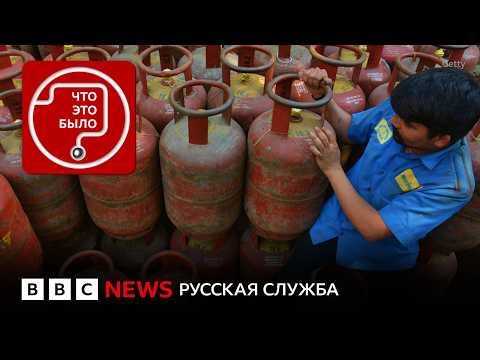
Война в Иране: Россия заработает на газовом кризисе?
Summary
The ongoing conflict in the Middle East is significantly impacting global energy markets, particularly through disruptions in gas supply. Attacks on gas facilities have led to a dramatic increase in gas prices, with estimates suggesting a rise of around 30%. This situation raises concerns about energy security, especially for countries heavily reliant on liquefied natural gas.
Iran's gas reserves are severely affected by Western sanctions, limiting its ability to export gas and exacerbating the energy crisis. The conflict has led to increased instability in energy markets, with potential supply disruptions threatening countries that depend on gas imports, such as India and South Korea.
Russia stands to benefit from the current energy crisis, as it is positioned to increase its gas exports amidst rising global prices. However, the geopolitical landscape remains complex, with ongoing tensions affecting supply routes and market dynamics. The interplay between market competition and geopolitical factors will be crucial in determining future energy prices.
The situation is further complicated by the reliance of many countries on a limited number of gas suppliers, which could lead to significant economic repercussions if supply disruptions continue. As energy prices rise, countries may face challenges in securing adequate gas supplies for their needs, leading to potential energy shortages.
Perspectives
Analysis of the energy crisis resulting from geopolitical tensions in the Middle East.
Proponents of Russian Gas Exports
- Highlights Russias potential to increase gas exports amidst rising global prices
- Argues that the current crisis positions Russia favorably in the energy market
Critics of Reliance on Russian Gas
- Questions the sustainability of relying on Russian gas amidst ongoing geopolitical tensions
- Denies that transitioning to alternative energy sources can quickly mitigate the crisis
Neutral / Shared
- Notes that the conflict in the Middle East is disrupting global gas supplies
- Acknowledges the impact of Western sanctions on Irans gas export capabilities
- Recognizes the rising energy prices as a significant concern for many countries
Metrics
price
30%
increase in gas prices
This significant rise indicates heightened market volatility and potential economic strain.
the prices have been increased by 30%
price
30 USD
previous gas price per unit
The drastic increase indicates market volatility due to conflict.
the prices in Europe were about 30 dollars per hour.
Key entities
Timeline highlights
00:00–05:00
The conflict in the Middle East is causing a significant global energy crisis, with attacks on gas facilities leading to a 30% increase in gas prices. Qatar's declaration of force majeure on liquefied natural gas production could eliminate about 20% of the global supply for the next three to five years.
- The conflict in the Middle East is triggering a global energy crisis, with recent attacks on gas facilities in Iran and Qatar causing a 30% increase in gas prices worldwide
- Irans military strikes on key gas infrastructure threaten global energy supplies, potentially leading to a long-term crisis in gas availability and pricing
- Due to the ongoing conflict, Qatar has declared force majeure on its liquefied natural gas production, which could eliminate about 20% of the global supply for the next three to five years
- Europe, heavily reliant on gas imports, is likely to experience significant shortages as its gas supplies diminish, raising serious energy security concerns
- The United States, being the largest gas producer and exporter, is less impacted by rising prices, which may benefit American energy companies while leaving Europe exposed to supply issues
- Despite sanctions, Russia may find opportunities to benefit from the crisis as a major player in the global gas market, although the current geopolitical situation complicates this potential advantage
05:00–10:00
Iran's gas reserves are significantly impacted by Western sanctions, limiting its export capabilities. The ongoing conflict in the Middle East is exacerbating energy instability, leading to increased gas prices and potential supply disruptions.
- Iran possesses substantial gas reserves, but Western sanctions hinder its ability to export effectively, limiting its impact on the global market
- Recent Israeli strikes on Iranian gas facilities have heightened tensions, yet the effect on global gas supply remains minimal as most of Irans gas is consumed domestically or sent to Turkey
- The ongoing conflict in the Middle East threatens energy stability, potentially leading to prolonged high gas prices and global supply disruptions
- The current 30% increase in gas prices echoes past energy crises, particularly the one instigated by Russias actions in Europe, underscoring the volatility of energy markets
- Europe is actively seeking alternatives to Russian gas supplies, a crucial shift in response to recent geopolitical tensions that could reshape its energy landscape
- Irans lack of investment in liquefied natural gas infrastructure restricts its ability to engage in international trade, leaving its gas reserves largely untapped
10:00–15:00
The recent conflict escalation in the Middle East has caused global gas prices to surge from approximately $30 to $50 per unit, threatening energy market stability. Countries heavily dependent on liquefied natural gas, such as India, Pakistan, and South Korea, face significant risks from these price increases and potential supply disruptions.
- The recent conflict escalation in the Middle East has caused global gas prices to surge from approximately $30 to $50 per unit, threatening energy market stability
- Countries like India, Pakistan, and South Korea, which heavily depend on liquefied natural gas, are particularly at risk from these price increases and potential supply disruptions
- As demand for liquefied natural gas rises, European nations are struggling to secure sufficient supplies, while countries like China are diversifying their gas sources to reduce dependency on single suppliers
- Qatar has declared a force majeure due to damage from attacks, which may hinder its gas production capacity for years and worsen the global supply crisis
- The energy crisis has far-reaching global effects, impacting economies in Asia and Europe, and escalating competition for limited gas supplies will likely drive prices even higher
- Expectations for a decrease in gas prices with new liquefied gas production are now uncertain, as ongoing conflicts disrupt these forecasts and leave Europe facing a prolonged energy crisis
15:00–20:00
The conflict in the Middle East is disrupting global gas supplies, leading to a 30% increase in gas prices. Countries reliant on liquefied natural gas, such as India and South Korea, are facing significant challenges due to rising costs and potential supply disruptions.
- The conflict in the Middle East is disrupting global gas supplies, particularly due to attacks on critical infrastructure in Iran and Qatar, raising concerns about an impending energy crisis
- Gas prices have surged by 30% globally, which will heavily impact countries in Asia that rely on gas imports, leading to increased competition for limited supplies
- Nations such as India, South Korea, and Japan are facing significant challenges from rising liquefied natural gas costs, prompting them to explore alternative energy sources
- Russia may benefit from the crisis by filling the gap left by other suppliers, potentially regaining market share lost due to sanctions and reduced exports to Europe
- European countries are working to eliminate their dependence on Russian gas by next year, although some nations still rely on these supplies, complicating their energy transition
- The geopolitical situation is evolving, with the U.S. possibly considering easing sanctions on Russian energy exports to help stabilize global markets
20:00–25:00
The conflict in the Middle East has disrupted gas supply routes, raising concerns about energy security and reliance on Russian gas. American energy companies are positioned to benefit from rising global gas prices as demand increases.
- The conflict in the Middle East has disrupted gas supply routes from Russia to Europe, raising serious concerns about energy security and reliance on Russian gas
- Russias use of gas supplies as a political leverage has backfired, resulting in a significant drop in exports to Europe and prompting a search for alternative markets, especially in China
- American energy companies are poised to benefit from rising global gas prices, as increased demand leads to higher profits and more investment in production and export capabilities
- Chinas escalating energy demands amid a global gas shortage may foster closer ties with Russia, particularly with discussions around the Power of Siberia 2 pipeline, though financial negotiations are still pending
- Despite damage to parts of the Nord Stream infrastructure, some gas supply routes, especially through Ukraine, remain operational, highlighting the fragility of Europes energy supply and the urgent need for diversification
- The geopolitical landscape is evolving, with the U.S. and China becoming increasingly influential in the global energy market
25:00–30:00
The conflict in Iran has triggered an energy crisis characterized by a significant loss of liquefied gas supplies, leading to rising prices. Europe is projected to experience a 20% reduction in liquefied gas supply, which may result in severe energy shortages across the continent.
- The conflict in Iran has initiated an energy crisis that is not yet fully recognized globally, primarily due to a significant loss of liquefied gas supplies, which will lead to rising prices
- Europe faces a precarious situation with a projected 20% reduction in liquefied gas supply, likely resulting in severe energy shortages across the continent
- While there is potential to transition to alternative energy sources like coal and renewables, implementing these solutions will take time, leaving immediate recovery uncertain
- Irans assertion of dominance over key shipping routes could destabilize global energy markets and complicate supply chains further
- Government responses to the energy crisis will be critical; introducing subsidies may increase national debt and create budgetary challenges
- If energy prices continue to rise and demand falls, the situation could escalate into a broader economic crisis, leading to business closures and a slowdown in economic activity