Politics / Russia
Russia politics page with daily media monitoring across Meduza, BBC News Russian and Euronews RU, structured summaries of domestic political developments and a country-level press overview.
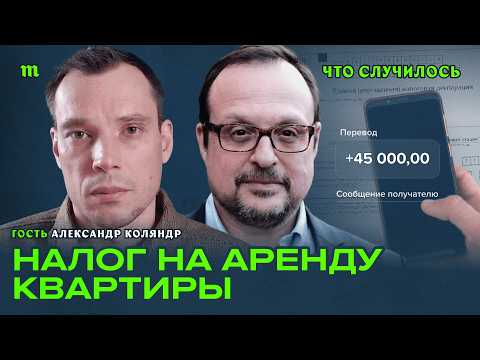
Аренда, подработки, взятки. Что еще в РФ обложат налогом?
Summary
The Russian government is proposing a law to monitor money transfers between citizens to identify unreported income, aiming to increase tax revenue. This initiative reflects a broader strategy to bolster the national budget amid economic challenges, particularly concerning the rental market and tax evasion.
Efforts to enhance financial transaction monitoring are seen as necessary due to the state's pressing need for additional tax revenue. The proposed law aims to improve data sharing between the Federal Tax Service and the Central Bank, potentially leading to increased scrutiny of personal finances.
The government is also considering a law to tax bribes, which is part of broader tax reforms that have evolved since the late 1990s. This shift towards a more progressive tax system for high earners aims to regulate previously unregulated financial activities to increase tax revenue.
Budgetary practices are being reconsidered due to the conflict in Iran, with a focus on reducing reliance on volatile oil prices. The reimplementation of the budgetary rule highlights the government's need for fiscal discipline amid concerns about long-term economic stability.
Perspectives
short
Pro-Government Control
- Proposes monitoring of money transfers to identify unreported income
- Aims to increase tax revenue through enhanced data sharing
- Considers taxing bribes to regulate financial activities
- Reconsiders budget practices to reduce reliance on oil prices
- Seeks to stabilize the budget amid declining oil revenues
Critics of Government Measures
- Questions the effectiveness of increased monitoring in capturing unreported income
- Highlights potential for citizens to evade taxes through underground transactions
- Critiques reliance on oil revenues as a precarious fiscal strategy
- Raises concerns about public backlash against increased taxes
Neutral / Shared
- Discusses the complexities of implementing tax increases
- Notes the potential for public unrest due to rising living costs
Metrics
revenue
additional tax revenue USD
government's financial strategy
Increased tax revenue is crucial for the government's budget amid economic challenges.
the state needs money, with the budget before the beginning of the war
income_tax_rate
15 %
income tax rate for individuals earning more than 5 million
This increase reflects a shift towards a more progressive tax system.
from 2021, it worked. Not 13, but 15.
income_tax_rate
2 %
additional tax for high earners above 5 million
This additional tax aims to fund social programs.
we already take 2% more points.
tax_revenue
10%
percentage of budget collected
This indicates the government's reliance on tax revenue for budget management.
it was said that two of the most important states, the Russian budget, and the defense and social expenses
budget_deficit
half a percent of the money %
projected budget deficit for the next year
A significant budget deficit indicates financial strain and potential economic instability.
the planning of the budget deficit in half a percent of the money
inflation
higher budget expenses
contributing factors to inflation
High inflation can erode purchasing power and economic stability.
one of the main sources of inflation is that
budget_deficit
3%
percentage of the VWP deficit
A higher deficit percentage indicates greater economic strain compared to Western countries.
the Russian 3% of the VWP deficit is not the same as 5% of the VWP in the Western countries
additional_income
1.6 billion dollars USD
additional income from oil price increase
This income could help mitigate the budget deficit temporarily.
the income in the budget is a little more 1.6 billion dollars
Key entities
Timeline highlights
00:00–05:00
The Russian government is proposing a law to monitor money transfers between citizens to identify unreported income, aiming to increase tax revenue. This initiative reflects a broader strategy to bolster the national budget amid economic challenges, particularly concerning the rental market and tax evasion.
- The Russian government is proposing a new law to monitor money transfers between citizens to identify unreported income. This move indicates a growing effort to increase tax revenue amid financial pressures
- Currently, personal transfers are largely tax-exempt, but the government aims to change this by linking data from banks and tax authorities. Such measures could lead to increased scrutiny of financial transactions and potential taxation on previously untaxed income
- The authorities are actively seeking new revenue sources, including raising existing taxes and adjusting tax thresholds for small and medium enterprises. This reflects a broader strategy to bolster the national budget in light of economic challenges
- The rental market in Russia is a significant area of concern, as many transactions occur without government oversight. This lack of regulation means that landlords often evade taxes, which undermines the integrity of the tax system
- The proposed measures may face resistance from citizens who are generally reluctant to share their income with the state. This could lead to public discontent, especially among those who already feel burdened by existing financial obligations
- The implications of these changes could extend beyond individual taxpayers, affecting the rental market dynamics and overall economic behavior. As the government tightens its grip on financial transactions, it may inadvertently drive some activities underground
05:00–10:00
The Russian government is intensifying efforts to monitor financial transactions to uncover hidden incomes, reflecting a pressing need for additional tax revenue. A proposed law aims to enhance data sharing between the Federal Tax Service and the Central Bank, potentially leading to increased scrutiny of personal finances.
- The Russian government is increasing efforts to monitor financial transactions to uncover hidden incomes, reflecting a pressing need for additional tax revenue
- A proposed law seeks to improve data sharing between the Federal Tax Service and the Central Bank, which could lead to increased scrutiny of personal finances and potential taxation of previously untaxed income
- New taxes on services like rental income are likely, which may raise costs for renters as landlords could pass on the tax burden
- Despite past challenges in taxing rental income, the current economic situation may compel the government to succeed in implementing these measures
- The state plans to broaden its tax base by targeting cash transactions in sectors such as home repairs and private lessons, indicating a trend toward greater government oversight
- Concerns exist regarding the efficiency of tax collection efforts, as high collection costs could negate the benefits of increased revenue
10:00–15:00
The Russian government is considering a law to tax bribes, aiming to regulate previously unregulated financial activities to increase tax revenue. This initiative is part of broader tax reforms that have evolved since the late 1990s, including a shift towards a more progressive tax system for high earners.
- The government is considering taxing bribes, which would involve regulating both the giving and receiving of such payments. This indicates a broader strategy to increase tax revenue by targeting previously unregulated financial activities
- Since the late 1990s, Russia has undergone significant tax reforms aimed at improving compliance and trust in the tax system. The introduction of a flat income tax rate was part of these reforms, simplifying the process for taxpayers
- Recent changes have increased the income tax rate for high earners, reflecting a shift towards a more progressive tax system. This move is justified by the government as a means to fund social programs, but it may also lead to greater tax evasion among wealthier individuals
- The government is expanding its tax collection efforts to include indirect taxes and fines, which have seen a rise in enforcement. This suggests a growing reliance on various revenue streams to bolster the budget amid economic challenges
- There is a concern that the increasing tax burden on citizens and businesses could lead to public discontent. As the government seeks to close budget gaps, the potential for unrest may rise if citizens feel overtaxed
- The historical context of tax collection in Russia shows that compliance has often been low, particularly during economic downturns. The government must balance the need for revenue with the risk of pushing citizens towards tax avoidance strategies
15:00–20:00
The Russian government is enhancing its tax collection methods to include a broader range of taxpayers, addressing challenges posed by income concealment. This shift raises concerns about the equity of the tax system, particularly for lower and middle-income individuals.
- The Russian government is improving its tax collection methods, moving beyond its past focus on taxing officially employed citizens. This change allows for increased revenue from a wider range of taxpayers, including those who previously avoided taxes
- As the government enhances tax collection, it faces challenges from citizens who are becoming more skilled at concealing their income. This ongoing struggle necessitates continuous innovation in tax enforcement strategies
- Russias tax system disproportionately benefits higher earners compared to Western nations, potentially increasing the tax burden on lower and middle-income individuals. This raises concerns about the equity and effectiveness of the tax structure in addressing income disparities
- Despite plans to reduce non-essential spending, the government prioritizes budget allocations for defense and social services. This focus reflects a strategic commitment to areas critical for national security and public welfare
- The current economic climate, worsened by international conflicts, is shaping the governments budget and revenue strategies. Understanding these developments is crucial for anticipating future fiscal policies and their effects on citizens
- The ongoing dialogue about tax collection and budget management underscores the broader implications for governance and public trust. As citizens adapt to these changes, their views on the governments resource management will likely shift
20:00–25:00
The Russian government plans to cut the budget while maintaining funding for essential sectors like defense and social services. This approach aims to balance military and social stability amidst economic challenges, but may exacerbate financial pressures.
- The Russian government plans to cut the budget, but essential sectors like defense and social services will remain funded, indicating a focus on military and social stability despite economic difficulties
- Government spending has been vital for Russias economic growth during the ongoing conflict, and any reduction could slow recovery and worsen financial pressures
- Inflation has risen sharply due to increased government expenditures, leading the Central Bank to keep interest rates high, which restricts credit access for both businesses and consumers
- The Russian economy is increasingly divided between state-supported industries and those dependent on market dynamics, raising concerns about potential instability if government support decreases
- The projected budget deficit for the next year has significantly increased due to ongoing military costs, highlighting the financial burden of prolonged conflict
- The Central Bank identifies high government spending as a key factor driving inflation and supports budget cuts to help stabilize the economy, reflecting the conflict between fiscal policy and inflation management
25:00–30:00
The Russian budget heavily relies on oil and gas revenues, which can constitute up to 20% of total income. Current forecasts indicate that the budget deficit could reach 2% to 3.5% of GDP by the end of 2026 due to declining revenues and ongoing military expenditures.
- The Russian budget is significantly dependent on oil and gas revenues, which can make up to 20% of total income. A drop in global oil prices leads to substantial budget shortfalls
- As economic activity slows, revenues from non-oil and gas sectors also decline, worsening the fiscal deficit. This creates a cycle where reduced economic performance results in lower tax income
- The ongoing war requires sustained high spending, limiting the governments ability to cut military or social expenditures. Political priorities favor military funding over addressing budgetary constraints
- Current forecasts suggest that if trends in oil prices and economic performance continue, the budget deficit could reach 2% to 3.5% of GDP by the end of 2026. This indicates the unsustainable nature of existing fiscal policies amid falling revenues
- The government is caught in a dilemma, unable to reduce spending without jeopardizing economic stability while needing to tackle the growing deficit. This situation may lead to increased taxes or new revenue measures
- The economic environment features a dual economy, where state-supported sectors prosper while others face challenges. This disparity risks social unrest as economic burdens disproportionately affect the private sector