Politics / Poland
Polish Politics and Russian Influence
Andrzej Śliwka criticizes Włodzimierz Czarzasty for excluding Chechen activists from the Polish parliament, suggesting this decision aligns with Russian interests. He connects Czarzasty's actions to a broader pattern of political decisions that may compromise Poland's security.
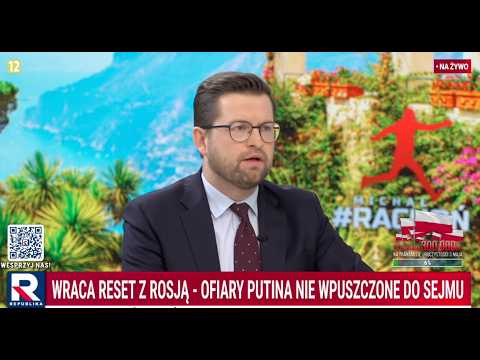
Source material: Plum: Tusk is a pro-German politician, and every pro-German politician is pro-Russian | Rachoń
Summary
Andrzej Śliwka criticizes Włodzimierz Czarzasty for excluding Chechen activists from the Polish parliament, suggesting this decision aligns with Russian interests. He connects Czarzasty's actions to a broader pattern of political decisions that may compromise Poland's security.
The discussion highlights a 2011 document indicating cooperation between Polish intelligence and the Russian FSB, raising concerns about the treatment of Chechen activists and the implications for national security. Śliwka emphasizes the need for transparency and accountability in political decisions.
Ongoing healthcare crises in Poland are underscored, revealing governance challenges and a disconnect between political commitments and citizens' experiences. Protests against insufficient funding for hospitals illustrate public discontent with the ruling coalition's handling of critical issues.
Śliwka argues that Donald Tusk's pro-German stance is inherently linked to pro-Russian policies, questioning the integrity of his leadership. He suggests that Tusk's affiliations may undermine Poland's sovereignty and security.
Perspectives
Analysis of Polish political dynamics and governance challenges.
Pro-Czarzasty
- Defends Czarzastys decisions as necessary for national security
- Argues that the exclusion of Chechen activists is a complex issue influenced by various factors
Anti-Czarzasty
- Criticizes Czarzasty for actions perceived as benefiting Russian interests
- Highlights the need for transparency and accountability in political decisions
Neutral / Shared
- Acknowledges the complexity of Polish political dynamics
- Raises questions about the implications of foreign influence on domestic policies
Metrics
other
80 units
historical reference to Tusk's political actions
This number highlights the long-standing political dynamics influencing current decisions
that was about 80 and why?
loss
over 100 million people
financial impact on hospitals
This figure indicates a significant strain on healthcare resources
the hospital is in the 12th of January, over 100 million people.
Key entities
Timeline highlights
00:00–05:00
Andrzej Śliwka criticizes Włodzimierz Czarzasty for preventing Chechen activists from entering the Polish parliament, suggesting this aligns with Russian interests. He connects Czarzasty's political affiliations to Donald Tusk, implying that Tusk's leadership has compromised Poland's security stance.
- Andrzej Śliwka criticizes Włodzimierz Czarzasty for preventing Chechen activists from entering the Polish parliament, suggesting this aligns with Russian interests
- Śliwka contends that Czarzastys actions reflect a pattern that benefits the Russian Federation, raising concerns about his effectiveness as Speaker of the Sejm
- He connects Czarzastys political affiliations to Donald Tusk, implying that Tusks leadership has compromised Polands security stance
- The implications of Czarzastys decisions are significant for Polish national security, especially concerning individuals persecuted by the Russian regime
- Śliwka calls for increased transparency and accountability in the Sejm, criticizing the treatment of journalists who question Czarzastys ties to pro-Kremlin figures
05:00–10:00
Andrzej Śliwka criticizes Włodzimierz Czarzasty for actions perceived as benefiting Russian interests, particularly regarding the exclusion of Chechen activists from the Polish parliament. The discussion raises concerns about the implications of political decisions on national security and democratic values.
- Andrzej Śliwka criticizes Włodzimierz Czarzasty for actions perceived as benefiting the Russian Federation, suggesting a pro-Russian alignment in his decisions
- A 2011 document indicates that Donald Tusk authorized cooperation between Polish intelligence and the Russian FSB, raising serious concerns about national security and the treatment of Chechen activists
- Śliwka points out a historical trend where Polish authorities have shared sensitive information about opposition figures with foreign powers, including those from Belarus and Chechnya
- The exclusion of notable journalists and activists from a recent event is viewed as a deliberate act that undermines democratic values and highlights issues of transparency within the government
- The discussion underscores the urgent need for accountability regarding political decisions that may jeopardize national security and support for those resisting authoritarian regimes
10:00–15:00
Andrzej Śliwka criticizes Włodzimierz Czarzasty for excluding Chechen activists from the Polish Parliament, suggesting this decision reflects negatively on Czarzasty's character. He contends that Donald Tusk's pro-German stance is inherently linked to pro-Russian policies.
- Andrzej Śliwka criticizes Włodzimierz Czarzasty for excluding Chechen activists from the Polish Parliament, suggesting this decision reflects negatively on Czarzastys character and political affiliations
- Śliwka contends that Donald Tusks pro-German stance is inherently linked to pro-Russian policies, pointing out a contradiction between Tusks anti-Russian rhetoric and his ties with Germany
- The discussion references a 2011 agreement between Polish and Russian intelligence services, which Śliwka claims facilitated harmful actions against Chechen dissidents
- Śliwka expresses doubt about the possibility of collaboration with the Polish Peoples Party, labeling it as a vassal entity to Tusks political agenda, which he believes undermines conservative values
- Concerns are raised about the implications of German-Russian relations, particularly regarding energy policies and their potential impact on Polands independence and security
15:00–20:00
Andrzej Śliwka criticizes Włodzimierz Czarzasty for excluding Chechen activists from the Polish parliament, suggesting this decision aligns with Russian interests. He also connects Donald Tusk's pro-German stance to a perceived compromise of Poland's security.
- Polands actions in 2025 are expected to align with German interests, particularly regarding legal actions related to the Nord Stream incident, indicating a significant geopolitical alignment
- Donald Tusk is criticized for his political strategies that allegedly undermine Polish sovereignty by fostering closer ties with Germany and sidelining Polish leadership in international relations
- The speaker stresses the importance of Poland independently building a strong military and security system, arguing that reliance on France or other European nations is insufficient for guaranteeing safety
- Historical ties between Germany and Russia are emphasized, suggesting that Poland must navigate these relationships carefully to protect its national interests
- Skepticism is expressed regarding Frances role as a security partner, with the assertion that true security for Poland lies primarily with the United States
20:00–25:00
Andrzej Śliwka criticizes Włodzimierz Czarzasty for excluding Chechen activists from the Polish parliament, suggesting this decision aligns with Russian interests. The ongoing healthcare crisis in Poland highlights governance challenges and the disconnect between political commitments and citizens' experiences.
- Recent protests in Poland have underscored the critical financial crisis facing county hospitals, many of which are nearing bankruptcy due to insufficient funding for essential services
- The ruling coalitions apparent indifference to these protests, along with media coverage that predominantly praises the government, raises significant concerns about accountability in addressing public health needs
- Critics highlight that the previous government had adequate funding for healthcare reforms, contrasting this with the current coalitions failure to resolve financial deficits in the healthcare system
- Personal stories from constituents illustrate the severe impact of healthcare delays, with patients experiencing postponed medical procedures as a result of budget limitations
- The ongoing healthcare crisis reflects broader governance challenges, indicating a disconnect between political commitments and the actual experiences of everyday citizens
25:00–30:00
Andrzej Śliwka criticizes Włodzimierz Czarzasty for excluding Chechen activists from the Polish parliament, linking this decision to Russian interests. He also highlights the ongoing healthcare crisis in Poland as a significant governance challenge.
- Andrzej Śliwka criticizes the lack of transparency in a recent secret session of the Polish parliament concerning a controversial company, suggesting that the failure of Polish intelligence to act on prior warnings reflects poorly on the current government
- He argues that if Polish authorities had been aware of potential financial issues with the company, they should have intervened to protect citizens interests, indicating negligence by the ruling party
- Śliwka calls for the declassification of the parliamentary session to reveal discussions that could implicate Donald Tusk, asserting that the public deserves to know the details of the proceedings
- He expresses frustration over the governments focus on trivial matters instead of addressing significant issues like citizens financial stability and the effectiveness of state services
- The discussion also highlights the role of media and advertising, with Śliwka stating that it is not the responsibility of media outlets to vet their advertisers, but rather the governments duty to ensure public safety