Politics / Poland
Political Exclusion and Its Implications in Poland
Exclusion of Ahmed Zakayev from the Polish parliament highlights ongoing tensions in Poland's relationship with Russia. This incident echoes previous political controversies, underscoring persistent issues in Poland's diplomatic stance.
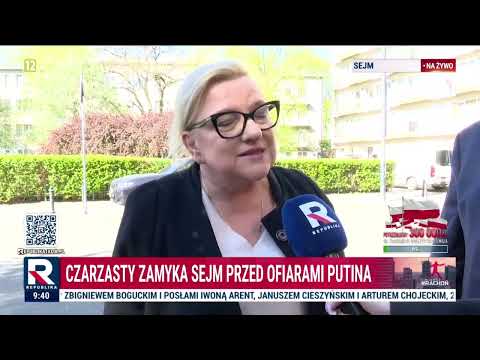
Source material: RESET WITH RUSSIA? Putin's victims barred from the Sejm! Kempa: this insults the free Polish nation!
Summary
Exclusion of Ahmed Zakayev from the Polish parliament highlights ongoing tensions in Poland's relationship with Russia. This incident echoes previous political controversies, underscoring persistent issues in Poland's diplomatic stance.
Beata Kempa criticizes the actions of Włodzimierz Czarzasty, labeling them as shameful and indicative of a dangerous political shift. Such actions may favor Russian interests over Polish sovereignty and democratic values.
Kempa emphasizes that excluding individuals like Zakayev, who advocate for human rights, undermines Poland's core values and independence. This exclusion raises alarms about the potential collaboration between Polish security services and the Russian FSB.
Concerns about the influence of Russian interests in Polish politics are growing, as the current situation signals a worrying possibility of a reset in Polish-Russian relations. This could adversely affect Poland's commitment to human rights and its position within the European Union.
Perspectives
short
Supporters of Political Exclusion
- Claim that excluding Zakayev aligns with national security interests
- Argue that such decisions are necessary to maintain political integrity
Opponents of Political Exclusion
- Highlight that excluding human rights advocates undermines Polands democratic values
- Warn of potential Russian influence over Polish political decisions
Neutral / Shared
- Raise concerns about the role of state security services in political decisions
- Document ties between current lawmakers and past controversial collaborations
Key entities
Timeline highlights
00:00–05:00
The exclusion of Ahmed Zakayev from the Polish parliament highlights ongoing tensions in Poland's relationship with Russia. Beata Kempa's criticism of this decision reflects concerns over potential shifts in Polish political dynamics that may undermine national sovereignty.
- The denial of entry for Ahmed Zakayev to the Polish parliament echoes previous political controversies, underscoring persistent issues in Polands relations with Russia
- Beata Kempa criticizes Włodzimierz Czarzastys actions as shameful, suggesting they reflect a dangerous political shift that may favor Russian interests over Polish sovereignty
- Kempa emphasizes that excluding individuals like Zakayev, who have championed human rights, is a violation of Polands core values and undermines its independence
- Concerns are raised about potential collaboration between Polish security services and the Russian FSB, reminiscent of past instances that compromised Polands autonomy
- The current situation signals a worrying possibility of a reset in Polish-Russian relations, which could adversely affect Polands commitment to human rights and its position within the European Union
05:00–10:00
The exclusion of Ahmed Zakayev from the Polish parliament raises significant concerns regarding the influence of Russian interests on Polish politics. Beata Kempa's criticism underscores the potential implications for national sovereignty and democratic values.
- The decision to block certain individuals from entering the Polish parliament raises concerns about the roles of the Marshals Guard and state security services in the decision-making process
- There are documented ties between those involved in the entry denial and past collaborations with controversial figures, indicating a troubling history that may influence current political actions
- The speaker criticizes the practice of thick line politics, which avoids addressing past actions and decisions, highlighting the need for accountability in public life
- These decisions reflect a broader trend of political alignment with Russian interests, posing risks to Polands sovereignty and democratic values