Politics / Japan
Women in Japan's Submarine Force
A ceremony at the Japan Maritime Self Defense Forces Kure Base marked the assignment of officer cadets to submarine service, with a record four female officers joining this year. This development reflects a significant cultural shift within the forces, emphasizing the importance of diversity in national defense.
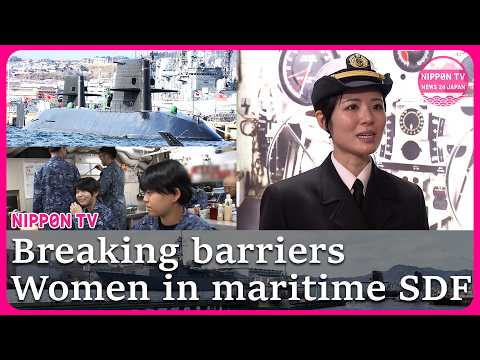
Source material: More women join Japan’s submarine force
Summary
A ceremony at the Japan Maritime Self Defense Forces Kure Base marked the assignment of officer cadets to submarine service, with a record four female officers joining this year. This development reflects a significant cultural shift within the forces, emphasizing the importance of diversity in national defense.
Submarine missions, which require small crews of around 70 members, demand effective teamwork in confined spaces for extended periods. The inclusion of women in submarine service began six years ago, driven by staffing shortages and initiatives to enhance female participation in the military.
Challenges persist in creating suitable working conditions, particularly regarding the need for separate sleeping quarters for women, which some commanders view as inefficient. Addressing these issues is crucial for increasing female representation in the submarine force.
The active involvement of women in security and peace-building, a concept that gained traction in the 1990s, is considered essential for fostering global peace and stability. Leveraging diverse talent within the submarine force aims to strengthen unit capabilities while balancing military duties with childcare responsibilities.
Perspectives
short
Support for Women's Inclusion
- Highlights the importance of diversity in national defense
- Argues that womens active involvement contributes to peace and stability
Concerns Over Implementation
- Notes challenges in creating suitable working conditions for female officers
- Questions the efficiency of separate sleeping quarters for women
Neutral / Shared
- Acknowledges the historical context of womens inclusion in military roles
- Recognizes the need for effective teamwork in submarine missions
Metrics
other
70 units
crew members on submarines
Understanding crew size is crucial for assessing operational dynamics and teamwork
around 70 crew members work in confined spaces
Key entities
Timeline highlights
00:00–05:00
This year, a record four female officers have joined Japan's submarine force, indicating a significant cultural shift within the Japan Maritime Self Defense Forces. The inclusion of women in submarine service began six years ago, driven by staffing shortages and initiatives to enhance female military participation.
- This year, a record four female officers have joined Japans submarine force, indicating a significant cultural shift within the Japan Maritime Self Defense Forces
- Submarine missions require small crews of about 70 members to work effectively in confined spaces for long durations, highlighting the importance of teamwork
- The inclusion of women in submarine service started six years ago, motivated by staffing shortages and initiatives to boost female military participation
- Creating appropriate working conditions remains a challenge, particularly the need for separate sleeping quarters for women, which some commanders consider inefficient
- The active involvement of women in security and peace-building, a concept that gained traction in the 1990s, is viewed as essential for global peace and stability
- Efforts to utilize diverse talent within the submarine force aim to strengthen unit capabilities while balancing military responsibilities with childcare needs