Politics / Japan
Japan politics page with daily media monitoring across Kyodo News, Jiji Press, NHK World and Nikkei Asia, structured summaries of domestic political developments and a country-level press overview.
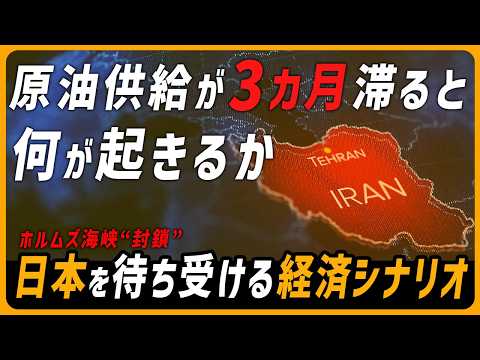
ホルムズ海峡“封鎖”で原油供給が滞って3カ月が過ぎたとき、日本が直面するかもしれない「買い負け」 イラン攻撃で起きうる日本にとって最も嫌なシナリオは…【モヤモヤ経済クリアファイル】
Summary
Japan's energy security is critically dependent on oil imports from the Middle East, with over 90% of its needs met through these imports. The ongoing blockade of the Hormuz Strait and rising oil prices raise significant concerns about Japan's ability to secure necessary supplies. Geopolitical tensions, particularly involving the United States and Iran, exacerbate these challenges, creating a precarious situation for Japan's energy strategy.
The Japanese government faces difficulties in navigating the complexities of international relations while ensuring a stable energy supply. The reliance on a single region for energy needs creates vulnerabilities that could be exploited during conflicts. Additionally, the economic implications of rising oil prices and potential supply disruptions could have far-reaching effects on Japan's economy.
Efforts to diversify energy sources and develop alternative energy strategies are essential for Japan to mitigate risks associated with its current dependency. However, the transition to alternative energy sources may not be swift enough to address immediate supply concerns. The situation calls for a reevaluation of Japan's energy policies to enhance resilience against geopolitical uncertainties.
Perspectives
short
Japan's Government and Energy Analysts
- Emphasizes the critical dependence on Middle Eastern oil imports
- Highlights the risks posed by geopolitical tensions and rising oil prices
- Calls for diversification of energy sources to enhance security
- Points out the economic implications of potential supply disruptions
- Advocates for a reevaluation of energy policies to improve resilience
Critics of Current Energy Strategy
- Questions the effectiveness of relying solely on Middle Eastern oil
- Argues that the government is not adequately addressing alternative energy sources
- Critiques the lack of a robust response to geopolitical shifts
- Highlights the potential for external actors to exploit Japans vulnerabilities
- Warns of the consequences of insufficient energy diversification
Neutral / Shared
- Notes the ongoing blockade of the Hormuz Strait
- Mentions the rising oil prices affecting global markets
- Acknowledges the complexities of international relations impacting energy security
Metrics
loss
Japan is losing money. USD
financial impact of rising oil prices
Financial losses could affect Japan's economic stability.
The price is high, and Japan is losing money.
volume
31,000,000 liters. liters
oil supply capacity
This volume indicates Japan's significant oil consumption needs.
By this, it gets a little over 31,000,000 liters.
Key entities
Timeline highlights
00:00–05:00
Japan's energy security is heavily dependent on oil imports from the Middle East, with over 90% of its needs met through these imports. The ongoing geopolitical tensions and rising oil prices pose significant challenges for Japan's energy supply chain and financial stability.
- Japan relies on oil imports from the Middle East for over 90% of its needs, making the ongoing blockade of the Hormuz Strait critical for its energy security
- The conflict and attack on Iran have resulted in rising oil prices and potential financial losses for Japan, raising concerns about its ability to secure necessary supplies
- The Japanese government faces challenges in managing the disrupted energy supply chain while navigating complex geopolitical dynamics and existing energy policies
05:00–10:00
Japan's energy security is critically dependent on oil imports from the Middle East, with over 90% of its needs met through these imports. The ongoing blockade of the Hormuz Strait and rising oil prices raise significant concerns about Japan's ability to secure necessary supplies.
- Japan relies on oil imports from the Middle East for over 90% of its needs, making the ongoing blockade of the Hormuz Strait critical for its energy security. The conflict and attack on Iran have resulted in rising oil prices, raising concerns about Japans ability to secure necessary supplies
10:00–15:00
Japan's energy security is heavily reliant on oil imports from the Middle East, with over 90% of its needs met through these imports. The ongoing blockade of the Hormuz Strait and rising oil prices present significant challenges to Japan's ability to secure necessary supplies.
- Japan relies on oil imports from the Middle East for over 90% of its needs, making the ongoing blockade of the Hormuz Strait critical for its energy security. The conflict and attack on Iran have resulted in rising oil prices, raising concerns about Japans ability to secure necessary supplies. The complexities of the U.S. governments actions, particularly in relation to energy policies, further complicate the situation