Politics / Japan
Cycling Adventures in Japan
Ryan McDowell embarks on his first significant cycling journey in Japan, transitioning from a triathlon background to exploring the country by bicycle. The journey begins in Shinagawa, Tokyo, where he prepares for an 80-kilometer ride to the Miyuda Peninsula, emphasizing the unique experiences cycling offers compared to motorized travel.
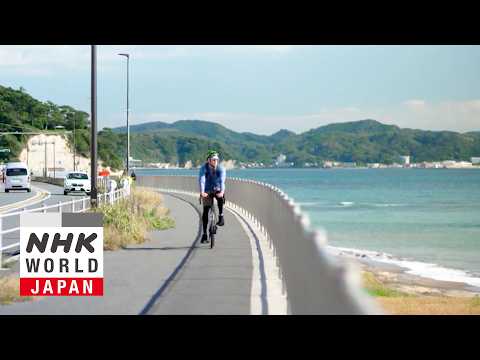
Source material: Beginners' Rides - CYCLE AROUND JAPAN
Summary
Ryan McDowell embarks on his first significant cycling journey in Japan, transitioning from a triathlon background to exploring the country by bicycle. The journey begins in Shinagawa, Tokyo, where he prepares for an 80-kilometer ride to the Miyuda Peninsula, emphasizing the unique experiences cycling offers compared to motorized travel.
As Ryan cycles through Tokyo, he appreciates the expanding bike lanes and the accessibility of urban areas like Yokohama. He takes breaks to refuel with bananas, highlighting the importance of nutrition for beginners. The narrative showcases the blend of modern urban life and historical influences in Yokohama.
Ryan encounters the art of Skajan, a traditional Japanese embroidery style, learning about its cultural significance and the challenges faced by artisans. The narrative emphasizes the personal connection and creativity involved in this craft, as well as the decline in skilled practitioners.
The journey continues along the Izu Peninsula, where Ryan enjoys scenic views and fresh seafood in Heda. He meets locals who share their culinary traditions, showcasing the community's reliance on sustainable fishing practices and the importance of local ingredients.
Perspectives
short
Cycling as a Means of Exploration
- Emphasizes the unique experiences cycling offers compared to motorized travel
- Highlights the accessibility of urban areas through cycling
- Showcases the personal connections formed with locals during the journey
- Demonstrates the physical and mental challenges of cycling
- Illustrates the importance of community support in enhancing the cycling experience
Challenges in Cycling Culture
- Notes the decline in traditional crafts like Skajan due to modern consumer culture
- Points out potential barriers to cycling, such as safety and infrastructure
- Mentions the physical limitations that can affect older cyclists
- Highlights the disconnect between traditional practices and modern preferences
Neutral / Shared
- Describes the scenic beauty of cycling routes in Japan
- Mentions the nutritional aspects of cycling for beginners
- Discusses the historical context of locations visited during the journey
Metrics
distance
80 kilometers
the total distance of the inaugural ride
This distance sets the stage for Ryan's cycling journey and challenges as a beginner.
We'll travel 80 kilometers over two days
population
3.7 million people
population of Yokohama
Understanding the population size helps gauge the urban cycling environment.
Yokohama, a metropolis of 3.7 million people.
other
fewer people learn this time consuming art
the current state of Skajan artisanship
This indicates a potential loss of cultural heritage.
These days, fewer people learn this time consuming art.
other
83 years
age of Suzuki Tarashi
His age highlights the longevity of passion for surfing.
The 83 year old Suzuki Tarashi comes surfing here almost every day.
distance
45 kilometers
length of the cycling route
This distance indicates a manageable ride for both novice and experienced cyclists.
the length is just 45 kilometers
travel_time
90 minutes
time taken to reach Izu Nagauka from Tokyo by train
This travel time makes the location accessible for day trips from Tokyo.
90 minutes from Tokyo by train
viewing_distance
15 kilometers
distance to the town of Heda from the starting point
This distance highlights the proximity of scenic coastal views to the cycling route.
After 15 kilometers, Ryan reaches the town of Heda
nutrition
vital source of nutrition for residents
importance of Okazu in local diet
Highlights the significance of local seafood in community health.
Okazu, on the other hand, is shared among fishing families and other locals, and serves as a vital source of nutrition for residents here.
Key entities
Timeline highlights
00:00–05:00
Ryan McDowell, an Australian cyclist, is embarking on his first major cycling journey in Japan, utilizing his triathlon and weightlifting background. The episode emphasizes the enriching experience of cycling, highlighting the journey from Tokyo to the Miyuda Peninsula over 80 kilometers with stops in Yokosuka and Shonan.
- Ryan McDowell, an Australian who relocated to Japan in 2014, is starting his first major cycling journey, leveraging his triathlon and weightlifting experience for this new challenge
- Cycling offers a deeper travel experience than motorcycling, allowing Ryan to engage with locals and discover unique attractions, enhancing his journey of exploration
- The episode highlights cycling for beginners, celebrating the joy of discovering both hidden gems and familiar locations, which frames Ryans upcoming adventures
- Ryans inaugural ride will span 80 kilometers from Tokyo to the Miyuda Peninsula over two days, with planned stops in Yokosuka and Shonan, popular for marine sports
- Riding early in Shinagawa provides a tranquil experience with low traffic, ideal for beginners to gain confidence as they embark on their cycling journey
- The segment promises a journey rich in new experiences and discoveries, emphasizing that cycling is not just about distance but the meaningful encounters along the way
05:00–10:00
Tokyo's bike lanes are expanding, reflecting a growing interest in cycling as a practical transportation option. Ryan's journey from Tokyo to Yokohama highlights the accessibility of urban exploration through cycling.
- Tokyos expanding bike lanes indicate a rising interest in cycling, making it easier for beginners to adopt cycling as a practical transportation option
- Ryan finds cycling from Tokyo to Yokohama to be more accessible than expected, which encourages urban exploration through cycling
- Taking breaks and consuming energy-rich foods like bananas is essential for sustaining energy during long rides, highlighting the importance of nutrition for novice cyclists
- Yokohamas mix of American and Japanese cultures becomes apparent as Ryan navigates the city, enhancing his understanding of diverse urban environments
- Ryans meeting with Yamagami Daisuke, a Skajan jacket craftsman, exemplifies the potential for meaningful interactions that enrich the cycling experience
- Yamagamis use of a free-motion sewing machine showcases the skill required for custom designs, emphasizing the significance of traditional craftsmanship in modern culture
10:00–15:00
Skajan art, characterized by detailed embroidery, allows for personal expression and cultural connection through customized jackets. The decline in artisans mastering this craft poses a risk to its unique artistry and cultural significance.
- Skajan art features detailed embroidery that gives jackets a unique, textured appearance, originally allowing soldiers to customize their attire with personal designs
- Yamagami Daisuke shifted from being a postal worker to a Skajan artisan, inspired by a master craftsman, highlighting the role of mentorship in preserving traditional skills
- Matsuzaka Ryoiichi, a skilled embroiderer, taught Yamagami essential artistic principles, underscoring the need for creativity in craftsmanship as fewer artisans enter the field
- Yamagami actively trains new embroiderers, encouraging them to incorporate their individual styles, which is crucial for the survival of Skajan in a changing cultural environment
- Ryans attempt to create an embroidered design as a keepsake illustrates the crafts accessibility and its ability to connect people with cultural heritage
- The decline in artisans mastering this intricate craft threatens the future of Skajan, risking the loss of its unique artistry and cultural importance
15:00–20:00
Suzuki Tarashi, an 83-year-old surfboard shaper in Japan, showcases his dedication to surfing and craftsmanship. His personalized approach to board shaping enhances customer satisfaction and reflects a commitment to innovation in the sport.
- The segment highlights the impressive surfing skills of 83-year-old Suzuki Tarashi, who surfs almost daily. His dedication showcases the enduring passion for the sport, regardless of age
- Suzuki is recognized as a pioneering surfboard shaper in Japan, known for his unique designs that attract fans both locally and internationally. This reputation underscores the significance of craftsmanship in the surfing community
- He customizes surfboards to meet the specific preferences of his customers, taking into account unique dimensions and contours. This personalized approach enhances customer satisfaction and fosters loyalty
- Suzukis journey into shaping began when he was inspired by an American soldier surfing on the beach in Shonan at the age of 20. This moment not only changed his career path but also highlights the cultural exchange between Japan and the United States
- His ongoing inspiration to create new boards reflects a commitment to innovation in surfboard design. This drive for creativity is essential for staying relevant in a competitive market
- The segment emphasizes the importance of understanding customer needs in the shaping process. By engaging with customers, Suzuki ensures that each board is tailored to enhance their surfing experience
20:00–25:00
Ryan embarks on a cycling adventure starting from Izu Nagauka, a location easily accessible from Tokyo. The route, spanning 45 kilometers, offers scenic views along the west coast and culminates in the picturesque town of Heda, known for its fresh seafood.
- The cycling adventure starts on the Izu Peninsula at Izu Nagauka, easily reachable from Tokyo, making it a prime location for cyclists seeking new routes
- The route features a scenic ride along the west coast and a steep climb, offering rewarding views despite the relatively short distance of 45 kilometers
- As Ryan cycles along the Kano River, he enjoys the tranquility and beauty of the area, with cherry trees enhancing the rides charm
- Upon reaching the west coast, Ryan is captivated by the stunning views, including Mount Fuji, which serves as a motivational backdrop
- The coastal road is popular among cyclists for its breathtaking vistas of Mount Fuji across Suduga Bay, showcasing the regions natural beauty
- Ryan visits Heda, a town renowned for its fresh seafood, allowing him to connect with the local culture and maritime lifestyle
25:00–30:00
Okazu, lesser-known seafood, is crucial to Heda's diet and reflects the community's sustainable fishing practices. Sato Ayano's innovative packaging of Okazu aims to preserve culinary traditions while engaging younger generations in local seafood practices.
- Okazu, lesser-known seafood vital to Hedas diet, underscores the communitys commitment to sustainable fishing practices
- Sato Ayano has creatively packaged Okazu to broaden its reach beyond local markets, aiming to preserve culinary traditions and support the fishing industry
- Satos dishes, such as pasta with Japanese lobster, highlight Okazus versatility in modern cuisine, promoting regional seafood appreciation
- With an aging fishing population, Satos initiatives seek to engage younger generations in local seafood practices, ensuring the communitys traditions endure
- Ryans interactions with Sato and his experience with Okazu demonstrate how cycling can deepen connections to local culture and cuisine
- Ryan emphasizes the importance of adapting techniques, like downshifting for climbs, to help beginner cyclists build confidence and improve their skills