Politics / Israel
U.S. Naval Blockade and Regional Tensions
Donald Trump announced a U.S. naval blockade of the Strait of Hormuz following the collapse of nuclear negotiations with Iran. The blockade aims to prevent Iranian ships from passing through, escalating tensions in the region. Vice President JD Vance indicated that Iran rejected U.S. proposals aimed at halting its nuclear program, leading to a breakdown in talks.
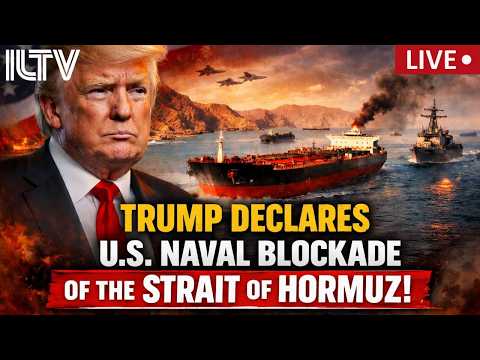
Source material: On The Hour – April 12, 2026 | Trump Orders Strait Of Hormuz Blockade As Diplomacy Collapses
Summary
Donald Trump announced a U.S. naval blockade of the Strait of Hormuz following the collapse of nuclear negotiations with Iran. The blockade aims to prevent Iranian ships from passing through, escalating tensions in the region. Vice President JD Vance indicated that Iran rejected U.S. proposals aimed at halting its nuclear program, leading to a breakdown in talks.
The U.S. is preparing for potential military action, raising concerns about regional stability. Observers note that the reliance on military pressure may not yield the desired diplomatic outcomes, as trust issues between the U.S. and Iran complicate negotiations. The Iranian population continues to suffer under a repressive regime, with geopolitical tensions exacerbating their hardships.
Public sentiment in Lebanon is shifting, with increasing support for direct negotiations with Israel. Many Lebanese citizens are recognizing the detrimental impact of Hezbollah's actions on their sovereignty and safety. The Lebanese government faces pressure to address Hezbollah's influence, as public opinion increasingly favors disarmament.
Despite the potential for regime change in Iran being perceived as achievable from within, the internal dynamics and historical context complicate this view. The Iranian populace is enduring severe hardships, and a diplomatic resolution prioritizing their welfare is urgently needed to prevent further despair.
Perspectives
Analysis of geopolitical tensions and public sentiment in Iran and Lebanon.
U.S. and Allies
- Announce a naval blockade to assert control over the Strait of Hormuz
- Reject Iranian terms in nuclear negotiations, leading to military escalation
- Emphasize the need for military pressure to achieve diplomatic goals
Iran and Hezbollah
- Reject U.S. proposals aimed at dismantling nuclear capabilities
- Utilize regional proxies to counter U.S. and Israeli actions
- Maintain a strong military presence to deter external threats
Neutral / Shared
- Highlight the suffering of the Iranian populace under the current regime
- Acknowledge the complexities of achieving regime change from within Iran
- Recognize the shifting public sentiment in Lebanon regarding Hezbollah
Metrics
other
21 hours
duration of negotiations with Iran
This indicates the intensity and urgency of the diplomatic efforts.
we have been at it now for 21 hours
other
158 ships units
number of ships in Iran's navy
This highlights the scale of Iran's naval capabilities amidst the conflict.
Their navy has gone 158 ships.
other
28 water droppers units
number of mine droppers in Iran's navy
This detail emphasizes the specific threats posed by Iran's naval assets.
They have 28 water droppers, mine droppers, they call them.
other
400 kg
amount of highly enriched uranium Iran is negotiating about
This quantity is critical in discussions about nuclear capabilities.
let this 400 kg of highly enriched Iran, leave the country
regime_strength
they cannot rule this iron fist at the way they did in January
regime's ability to maintain control
A weakened regime may provide an opportunity for citizens to challenge authority.
the system is very weak enough.
casualties
many of them has been killed people
referring to Iranian protests
This highlights the severe risks faced by those opposing the regime.
many of them has been killed
military_operations
IDF Soldiers of the Golanib Brigades' 13th Battalion eliminated the very terrorists responsible for the killing of Staff operations
referring to Israeli military actions in Lebanon
This indicates ongoing military engagement and the high stakes involved.
IDF Soldiers of the Golanib Brigades' 13th Battalion eliminated the very terrorists responsible for the killing of Staff Sergeant Tovel Yosef Leefsheets last week
rocket_attacks
Hasbala continues firing non-stop rockets at Northern Israel's communities attacks
referring to Hezbollah's actions
This underscores the persistent threat to Israeli civilians.
Hasbala continues firing non-stop rockets at Northern Israel's communities
Key entities
Timeline highlights
00:00–05:00
Donald Trump has announced a U.S. naval blockade of the Strait of Hormuz following the collapse of nuclear negotiations with Iran.
- Donald Trump has initiated a U.S. naval blockade of the Strait of Hormuz after nuclear negotiations with Iran collapsed
- Vice President JD Vance disclosed that Iran rejected a U.S. proposal to dismantle its nuclear program
- U.S. negotiators departed Pakistan without securing an agreement, highlighting the ongoing challenges in dealing with Iran
- Trumps administration now faces a critical decision between maintaining diplomatic pressure on Iran or opting for military escalation. The looming threat of conflict adds urgency to the situation
- Despite the failed negotiations, Trump asserts that the U.S. has already achieved a form of victory over Iran
- The IDF is actively conducting operations against Hezbollah, which adds complexity to the regional security situation. This military action illustrates the interconnected nature of conflicts in the area
05:00–10:00
The U.S. is preparing for potential military action following failed negotiations with Iran, raising concerns about regional stability.
- The U.S. is gearing up for possible military action as tensions rise after failed negotiations in Islamabad
- Camelia Entekhabifard warns that Iran might retaliate against the U.S. blockade by disrupting shipping in the Strait of Hormuz, which could severely affect global energy markets
- The deadlock in U.S.-Iran talks highlights a profound mistrust, particularly concerning Irans nuclear intentions. Without assurances against military action, Iran may resist making concessions
- Entekhabifard stresses that diplomacy remains crucial for conflict resolution, even in wartime. Historical negotiations indicate that direct dialogue is vital for achieving lasting peace
- External mediators like Russia could be instrumental in easing tensions between Iran and the U.S. A reliable guarantor may foster the trust needed for Iran to consider compromises
- Despite the challenging situation, Entekhabifard expresses cautious optimism about future negotiations. This viewpoint suggests that diplomatic efforts can still lead to positive developments
10:00–15:00
The Iranian population is enduring severe hardships under a repressive regime, exacerbated by geopolitical tensions. A diplomatic resolution prioritizing their welfare is urgently needed to prevent further despair and potential mass exodus.
- The Iranian population faces increasing hardships under a repressive regime, worsened by current geopolitical tensions. This situation highlights the urgent need for a diplomatic resolution that prioritizes their welfare
- President Trumps military threats towards Iran raise humanitarian concerns for ordinary citizens, potentially deepening their despair rather than facilitating regime change
- A ceasefire could empower the Iranian people to challenge their government, as the regimes hold on power appears to be weakening. Continued conflict, however, may prolong the regimes survival
- The Iranian economy is struggling, and ongoing warfare could trigger a mass exodus of citizens seeking refuge in neighboring countries. This underscores the necessity for diplomatic efforts focused on humanitarian outcomes
- Protests against the Iranian regime have faced brutal crackdowns, illustrating the dangers for dissenters. Escalating military actions could further entrench the regimes authority
- Achieving regional peace requires a strategy that addresses the needs of the Iranian populace rather than focusing solely on military goals. Promoting dialogue and reducing hostilities may empower citizens to reclaim their agency
15:00–20:00
The potential for regime change in Iran is perceived as achievable from within, contingent on internal support and minimal casualties. Meanwhile, the situation in Lebanon remains tense, with ongoing hostilities between Hezbollah and Israel complicating diplomatic efforts.
- The potential for regime change in Iran is seen as achievable from within, but it requires careful timing and minimal casualties. Historical examples from Iraq and Afghanistan suggest that externally imposed changes often lead to instability
- Iranians have shown a willingness to protest against their regime, but they need to feel a sense of internal support and momentum to act decisively. The brutal response from the regime has made them cautious, as they remember the violent repercussions of past uprisings
- The current situation in Lebanon remains tense, with Hezbollah continuing its rocket attacks on northern Israel. Israels military operations are aimed at neutralizing these threats, despite international pressure for a ceasefire
- Israels Defense Minister has emphasized the need to separate the Iranian and Lebanese fronts to ensure national security. This strategy underscores the urgency of addressing Hezbollahs presence in the region, regardless of ongoing diplomatic efforts
- Negotiations between Israel and Lebanon are set to take place, marking a significant step in direct communication. However, Hezbollahs leadership has warned against any agreements that would require disarmament, indicating a potential impasse
- The ongoing exchange of fire between Israel and Hezbollah highlights the fragile nature of the current ceasefire talks. Both sides remain entrenched in their positions, complicating the path to a peaceful resolution
20:00–25:00
Israel is focused on weakening Hezbollah before engaging in diplomatic negotiations, as this is seen as crucial for both Israel and Lebanon's sovereignty. The Lebanese population is increasingly supportive of direct negotiations with Israel, reflecting a significant shift in public sentiment towards peace.
- The ongoing conflict with Hezbollah is critical for Israel, as officials emphasize the need to weaken the group before any diplomatic negotiations begin. This strategy aims to ensure that Hezbollah does not drag Lebanon into conflicts unrelated to its national interests
- Lebanon faces a dual challenge: combating Hezbollah while striving for sovereignty from Iranian influence. The Lebanese people are increasingly eager for direct negotiations with Israel, marking a potential historic moment in their relations
- The failure to sign the 1983 peace agreement between Israel and Lebanon has led to ongoing tensions, highlighting the importance of current negotiations. Both nations desire a future free from war and external interference in their political affairs
- Upcoming talks between Israeli and Lebanese officials are seen as a hopeful step towards resolving long-standing issues. Many Lebanese citizens are optimistic about these discussions, reflecting a shift in public sentiment towards peace
- Hezbollahs entrenchment in Lebanons political system complicates efforts to disarm the group. Despite widespread support among Lebanese citizens for dismantling Hezbollahs weapons, the governments capacity to act remains limited
- Recent surveys indicate overwhelming support among various Lebanese demographics for disarming Hezbollah, suggesting a significant shift in public opinion. This consensus could pave the way for a stronger Lebanese military and greater national sovereignty
25:00–30:00
Public support for dismantling Hezbollah is increasing, particularly among Christians and Sunnis. This shift indicates a significant change in attitudes towards Hezbollah's influence in Lebanon.
- Public support for dismantling Hezbollah is rising, with over 90% of Christians and Sunnis advocating for this change. This shift reflects a significant change in attitudes towards the group, which has historically involved Lebanon in conflicts
- Hezbollahs military actions have resulted in two wars within three years, leading to widespread displacement among Lebanese citizens. This situation raises serious concerns about Lebanons sovereignty and security
- Although Hezbollah is part of the Lebanese government, it only holds two seats, indicating a reduced influence in political matters. This suggests a growing willingness among Lebanese politicians to confront Hezbollahs power
- Recent peace negotiations between Israel and Lebanon have prompted threats from Hezbollah supporters against Lebanese leaders. Such intimidation underscores the risks faced by politicians who promote disarmament and collaboration
- The Lebanese military struggles to disarm Hezbollah, yet there is a strong public desire for a unified military force. This reflects a broader aspiration for national sovereignty and stability, free from external control
- The evolving situation in Lebanon shows increasing demands for accountability and a challenge to Hezbollahs militant status. Progress in public opinion and political dialogue may lead to improved governance and peace efforts