Politics / Indonesia
Ceasefire during Orthodox Easter
Ukrainian officials advocate for a ceasefire during Orthodox Easter to facilitate peace negotiations. President Volodymyr Zelenskyy expresses hope for an extension of the ceasefire after the holiday period. This initiative aims to create a for dialogue amidst ongoing hostilities.
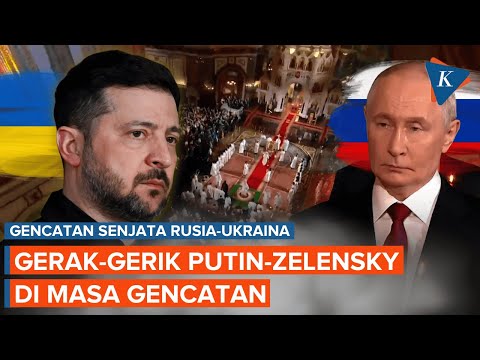
Source material: Respons Gencatan Senjata Rusia-Ukraina: Zelensky Berharap Diperpanjang, Putin Hadiri Perayaan Paskah
Summary
Ukrainian officials advocate for a ceasefire during Orthodox Easter to facilitate peace negotiations. President Volodymyr Zelenskyy expresses hope for an extension of the ceasefire after the holiday period. This initiative aims to create a for dialogue amidst ongoing hostilities.
Russian President Vladimir Putin's attendance at the Easter service highlights the connection between state authority and religious observance. The event, led by Patriarch Kirill, emphasizes the role of the Russian Orthodox Church in shaping public sentiment during the conflict.
Zelenskyy reaffirms Ukraine's commitment to the ceasefire agreement while warning of a swift response to any violations. This stance reflects a cautious approach to the fragile peace, indicating a readiness to defend national interests.
Perspectives
short
Ukraine
- Advocates for a ceasefire to enable peace talks
- Expresses hope for an extension of the ceasefire post-holiday
- Commits to responding quickly to any ceasefire violations
Russia
- Holds a ceasefire during Orthodox Easter
- Demonstrates state-religion ties through Putins church attendance
- Utilizes religious events to bolster public support
Neutral / Shared
- Highlights the role of the Russian Orthodox Church in the conflict
- Notes the intertwining of state and religious authority
Key entities
Timeline highlights
00:00–05:00
Ukrainian officials are advocating for a ceasefire during Orthodox Easter to facilitate peace negotiations. The presence of Russian President Vladimir Putin at the Easter service underscores the intertwining of state and religious authority amid ongoing conflict.
- Ukrainian officials have reiterated their commitment to a ceasefire during Orthodox Easter, emphasizing the need for peace during this significant time. They believe that maintaining the ceasefire could pave the way for future negotiations
- The Ukrainian leadership has expressed concerns that any aggression from Russia would undermine the potential for lasting peace. This highlights the ongoing tension and the fragile nature of the current truce
- During the Easter service, Russian President Vladimir Putin was present, indicating his support for the Orthodox Churchs role in the conflict. His attendance may be seen as an attempt to bolster national unity amidst the ongoing war
- The Patriarch of the Russian Orthodox Church praised Putin for his involvement in the churchs affairs, suggesting a close relationship between the state and religious institutions. This connection could influence public perception and support for the government
- The return of sacred icons to the Russian Orthodox Church was celebrated, symbolizing a significant cultural and religious moment. This act may serve to strengthen the churchs influence and reinforce national identity among followers
- Ukrainian leaders are prepared to respond swiftly to any violations of the ceasefire, indicating a readiness to defend their sovereignty. This stance underscores the seriousness of the situation and the potential for renewed conflict