Politics / India
US-Iran Tensions and Maritime Blockade
Trump's naval blockade over the Strait of Hormuz is faltering, with over 20 vessels transiting the chokepoint in a single day. Despite the blockade, five ships reportedly loaded with Iranian cargo passed through, indicating that Iranian oil and gas exports remain operational.
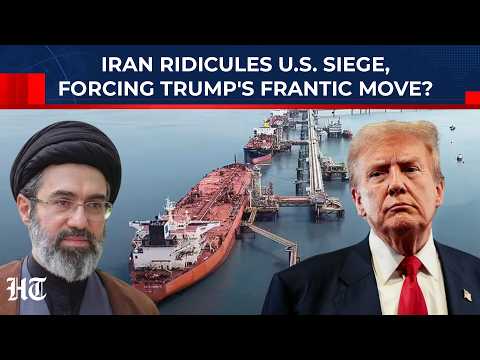
Source material: Iran Ridicules US Siege, 20+ Ships Pass Hormuz: Embarrassed, Trump Resorted To Frantic Hijack Move?
Summary
Trump's naval blockade over the Strait of Hormuz is faltering, with over 20 vessels transiting the chokepoint in a single day. Despite the blockade, five ships reportedly loaded with Iranian cargo passed through, indicating that Iranian oil and gas exports remain operational.
In a bid to reassert US dominance, Trump ordered the seizure of an Iranian ship, which Iran condemned as piracy. This action prompted Iranian drone attacks on US warships, escalating tensions in the region.
The US military's operation involved disabling the Iranian vessel's engine and boarding it, with Trump justifying the seizure by citing the ship's previous illegal activities. The incident occurred just days before a ceasefire with Iran was set to expire.
Iran has threatened retaliation against the US for the seizure, warning that its armed forces will respond to what they label as armed piracy. The situation reflects a fragile diplomatic environment, with Iran indicating it may not attend upcoming negotiations.
Perspectives
Analysis of US-Iran maritime tensions.
United States
- Claims the seizure of the Iranian vessel was justified due to its previous illegal activities
- Argues that the naval blockade is necessary to assert dominance in the region
Iran
- Condemns the US seizure as maritime piracy and a violation of the ceasefire
- Warns of imminent retaliation against US actions
Neutral / Shared
- Highlights the continued transit of vessels through the Strait of Hormuz despite the blockade
- Notes the fragile state of diplomatic negotiations between the US and Iran
Metrics
other
more than 20 vessels units
of vessels passing through the Strait of Hormuz
This indicates the effectiveness of the blockade is questionable
more than 20 vessels reportedly transited the Strait of Hormuz in a single day
Key entities
Timeline highlights
00:00–05:00
The U.S. naval blockade of the Strait of Hormuz is failing, with over 20 vessels transiting the chokepoint in a single day.
- Trumps naval blockade of the Strait of Hormuz is struggling, as over 20 vessels, including five carrying Iranian cargo, passed through the chokepoint in a single day
- In an attempt to reinforce US authority, Trump ordered the seizure of an Iranian ship, which Iran labeled as piracy, resulting in drone attacks on US warships in response
- The US militarys capture of the Iranian vessel involved disabling its engine and boarding it, with Trump justifying the action by citing the ships previous illegal activities
- Commercial traffic through the Strait of Hormuz has continued despite the blockade, suggesting that Irans oil and gas exports are still operational amid rising tensions
- Iran has escalated its response to US actions, issuing threats of retaliation and indicating a potential shift towards closing the strait, highlighting the worsening situation
05:00–10:00
The U.S. naval blockade of the Strait of Hormuz is ineffective, as evidenced by over 20 vessels transiting the chokepoint in a single day.
- Iran condemned the U.S. seizure of its merchant ship as maritime piracy and a violation of the ceasefire, warning of imminent retaliation
- The U.S. militarys action occurred just days before a two-week ceasefire with Iran was set to expire, escalating tensions in an already fragile diplomatic environment
- Iranian officials characterized the U.S. attack on the vessel, which involved disabling its navigation system and boarding, as a direct act of aggression
- The incident has raised concerns about the future of diplomatic talks, with Iran indicating it will not attend the next round of negotiations in Pakistan
- The U.S. operation reflects a broader strategy to assert dominance in the region, but it risks escalating military confrontations and undermining ongoing diplomatic efforts