Politics / India
US-Iran Negotiations and Military Buildup
Ceasefire negotiations between the U.S. and Iran have collapsed, raising concerns about potential military action and the safety of Iranian officials. The deployment of U.S. warplanes and refueling aircraft in the region indicates a significant military buildup amid escalating tensions. Speculation surrounds the safety of senior Iranian leaders, with fears of potential assassination plots following the failed talks.
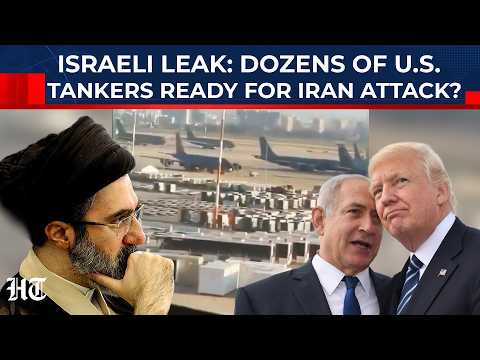
Source material: Iran Team Leaves Pakistan, Hours Later Desperate US Jet Storm Hits Israel as Talks Explode?
Summary
Ceasefire negotiations between the U.S. and Iran have collapsed, raising concerns about potential military action and the safety of Iranian officials. The deployment of U.S. warplanes and refueling aircraft in the region indicates a significant military buildup amid escalating tensions. Speculation surrounds the safety of senior Iranian leaders, with fears of potential assassination plots following the failed talks.
U.S. Vice President J.D. Vance confirmed that the talks ended without a breakthrough, marking an open diplomatic deadlock. Despite 21 hours of intensive negotiations, the U.S. and Iran could not reach an agreement, with both sides holding firm on key issues, particularly regarding nuclear commitments. The U.S. characterized its proposal as its final and best offer, which Iran did not accept.
The failure of the negotiations is expected to heighten tensions in the region, with the U.S. military assets positioned closer to Iran. This situation raises questions about the future of U.S.-Iran relations and the potential for military escalation. The presence of U.S. warplanes and refueling jets in Israel signals a readiness for action, further complicating the diplomatic landscape.
Perspectives
short
United States
- Confirms collapse of negotiations after 21 hours
- Insists on a commitment from Iran not to pursue nuclear weapons
- Highlights military successes against Iranian forces
- Describes the proposal as the final and best offer
- Expresses disappointment over Irans rejection of terms
Iran
- Alleges that U.S. policy and media incite violence against Iranian leaders
- Claims that U.S. demands are unacceptable and infringe on sovereignty
- Maintains that negotiations were conducted in good faith despite the outcome
- Emphasizes the importance of security for Iranian officials during talks
Neutral / Shared
- Notes the significant military buildup of U.S. assets in the region
- Mentions the speculation regarding the safety of Iranian officials
- Acknowledges the role of external pressures in the negotiation dynamics
Metrics
military_deployment
dozens of US refueling jets units
US military presence in Israel
This indicates readiness for long-range operations.
dozens of American refueling aircraft were reported parked at Israel's Ben-Garion Airport
negotiation_duration
21 hours
length of US-Iran negotiations
This reflects the intensity and significance of the talks.
despite some 21 hours of intensive negotiations
military_assets
large numbers of US military aircraft units
US military aircraft heading toward the Middle East
This suggests a potential shift in military strategy.
open-source flight tracking began recording large numbers of US military aircraft heading toward the wider Middle East theatre
negotiation_duration
21 hours
duration of the U.S.-Iran negotiations
The length of negotiations indicates the complexity and urgency of the issues at stake.
we have been at it now for 21 hours.
Key entities
Timeline highlights
00:00–05:00
Ceasefire negotiations have collapsed, raising concerns about potential military action and the safety of Iranian officials. The deployment of US warplanes and refueling aircraft in the region indicates a significant military buildup amid escalating tensions.
- The failure of ceasefire negotiations raises fears of imminent military action, potentially escalating regional tensions significantly
- Concerns about the safety of Iranian officials are growing amid the diplomatic stalemate, which may affect Irans approach to ongoing talks
- The influx of US warplanes into the Gulf indicates a military buildup, suggesting preparations for possible strikes against Iran if diplomacy fails
- Vice President JD Vance confirmed the lack of agreement in Islamabad, emphasizing the diplomatic deadlock and increasing the likelihood of military options
- Rumors of potential assassination plots against Iranian delegates have emerged, complicating the already strained US-Iran relations
- The US militarys deployment of refueling aircraft in Israel highlights readiness for long-range operations, signaling the seriousness of the situation
05:00–10:00
The U.S.-Iran negotiations ended without an agreement after 21 hours, marking a significant diplomatic setback for Iran. This failure is expected to heighten tensions in the region.
- The U.S.-Iran negotiations ended without an agreement after 21 hours, marking a significant diplomatic setback for Iran. This failure is expected to heighten tensions in the region
- U.S. officials stressed that Iran must commit to not pursuing nuclear weapons as a key negotiation goal
- Despite U.S. flexibility during discussions, Iran rejected the proposed terms
- The U.S. administration maintained ongoing communication with President Trump throughout the negotiation process
- The failure to reach an agreement may prompt the U.S. to reposition military assets closer to Iran
10:00–15:00
The U.S.-Iran negotiations concluded without a deal, escalating regional tensions and signaling a significant diplomatic failure for Iran. This outcome raises concerns about future interactions and the potential for military escalation.
- The U.S.-Iran negotiations concluded without a deal, escalating regional tensions and signaling a significant diplomatic failure for Iran