Politics / India
India politics page with daily media monitoring across NDTV, ANI, PTI and Times of India, structured summaries of domestic political developments and a country-level press overview.
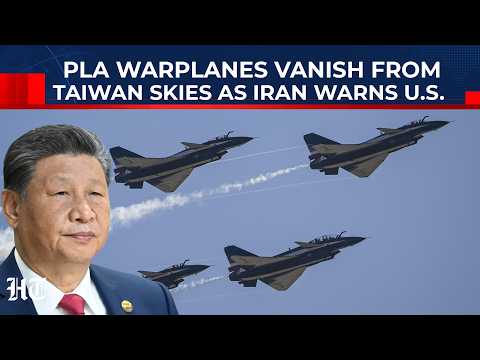
Is Beijing Watching Iran First As PLA Jets Vanishes from Taiwan Skies? Shocking Details Emerge
Summary
China's military flights near Taiwan have ceased for an unprecedented seven days, raising alarms about potential strategic implications. Analysts speculate that this sudden halt may be linked to broader geopolitical tensions, particularly in the Middle East, as the US intensifies its military actions in the region.
The absence of PLA aircraft in Taiwan's air defense identification zone has prompted questions regarding Beijing's intentions. Historically, such pauses have been brief and often coincided with adverse weather conditions, but current weather remains favorable, suggesting other factors at play.
Taiwan's defense ministry confirmed that no Chinese warplanes have entered the monitored zone since February 27, marking a significant deviation from previous military patterns. This lull in activity coincides with an upcoming meeting between Donald Trump and Xi Jinping, adding another layer of complexity to the situation.
China's simultaneous order to suspend gasoline exports amid Persian Gulf disruptions indicates a strategic response to potential fuel security issues. Analysts warn that the unexplained absence of PLA aircraft could lead to dangerous miscalculations and misunderstandings between Taiwan and China.
Perspectives
short
China's Strategic Maneuvering
- Halts military flights near Taiwan for seven days, raising alarms
- Links pause to geopolitical tensions, particularly in the Middle East
- Suspends gasoline exports to address fuel security amid disruptions
- Indicates potential strategic recalibration in military operations
- Raises questions about military readiness and internal cohesion
Taiwan's Defense Concerns
- Confirms no PLA aircraft entered the air defense zone since February 27
- Highlights strain on military resources due to previous pressure flights
- Warns of potential miscalculations and misunderstandings across the Strait
- Questions the implications of Chinas military silence on regional security
- Expresses concern over the impact of geopolitical shifts on Taiwans defense
Neutral / Shared
- Weather conditions remain favorable, ruling out natural explanations for the lull
- Upcoming Trump-Xi meeting adds complexity to the geopolitical landscape
- Historical context shows previous pauses were brief and weather-related
Key entities
Timeline highlights
00:00–05:00
China has halted military flights near Taiwan for seven consecutive days, marking a significant deviation from previous patterns. This unprecedented silence raises concerns about potential miscalculations and may signal strategic shifts amid escalating geopolitical tensions.
- Chinas halt in military flights near Taiwan has created an unprecedented silence in the skies, with no PLA aircraft entering Taiwans air defense identification zone for seven consecutive days. This marks a significant deviation from previous patterns, where the longest pause lasted only three days due to bad weather
- The timing of this pause coincides with escalating tensions in the Middle East, particularly following intensified US strikes on Iran. Analysts speculate that this lull may be a strategic signal from Beijing amid ongoing geopolitical turmoil
- Taiwans defense ministry confirmed the absence of Chinese warplanes since February 27, raising concerns about potential miscalculations across the Taiwan Strait. The lack of PLA flights has prompted fears that Beijings silence could precede significant military action
- In addition to the military flight halt, China has ordered its major oil refiner to suspend gasoline exports, indicating a response to disruptions in the Persian Gulf that threaten fuel security. This move underscores the interconnectedness of military readiness and energy supply in the region
- The recent lull in PLA sorties is believed to be linked to training cycles and efforts to enhance coordination for large-scale joint operations. This shift comes amid ongoing scrutiny of the PLAs readiness and cohesion