Politics / India
India politics page with daily media monitoring across NDTV, ANI, PTI and Times of India, structured summaries of domestic political developments and a country-level press overview.
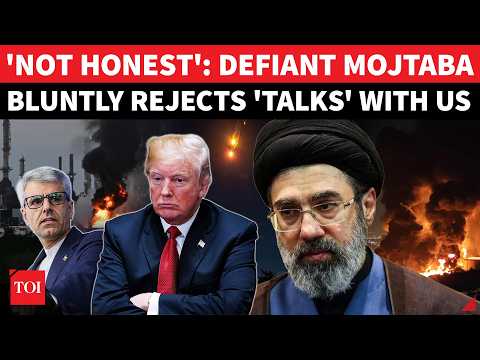
'Total Lie': Defiant Tehran SNUBS 'Talks' As Trump Vows To 'Blow Up' Iran's Power, Oil, Kharg If…
Summary
Iran has firmly stated that it has not engaged in direct negotiations with the United States, asserting that any proposals have been communicated through intermediaries such as Pakistan. The Iranian government emphasizes its focus on self-defense in response to ongoing military threats from the U.S. and its allies.
Iranian officials express skepticism regarding U.S. intentions, labeling the proposals as unrealistic and excessive. They highlight the ongoing military aggression from the U.S. and the need for regional countries to prevent the misuse of their territories for attacks against Iran.
Despite claims of democracy in the U.S., decision-making regarding war and peace is perceived to be concentrated within a small, exclusive group. This disconnect between public opinion and policy raises concerns about the legitimacy of U.S. foreign policy, especially in relation to alliances with regimes accused of violence.
Perspectives
short
Iran
- Rejects claims of direct negotiations with the U.S
- Emphasizes focus on self-defense against U.S. military aggression
- Describes U.S. proposals as unrealistic and excessive
- Calls for regional countries to prevent U.S. misuse of their territories
- Questions the legitimacy of U.S. foreign policy due to lack of public involvement
United States
- Claims to uphold democracy and sovereignty of the people
- Decision-making on war and peace is criticized as exclusive and limited
Key entities
Timeline highlights
00:00–05:00
Iran has not engaged in direct negotiations with the U.S., relying instead on intermediaries like Pakistan to convey proposals. The Iranian government emphasizes its commitment to self-defense amid perceived military threats from the U.S.
- Iran has not participated in direct talks with the U.S, as all proposals have been conveyed through intermediaries like Pakistan, reflecting its rejection of U.S. overtures
- The Iranian government views U.S. assertions of genuine negotiation as unrealistic and overly ambitious
- Iran insists that neighboring nations must prevent the U.S. and its allies from launching military operations against it from their territories
- Iranian leaders reaffirm their commitment to the Non-Proliferation Treaty while questioning its effectiveness in safeguarding them from external threats
- There are rising fears of military strikes on Irans nuclear sites, with the U.S. and its allies perceived as potential aggressors
- The Iranian spokesperson highlights protests in the U.S. as evidence of dissatisfaction with American foreign policy
05:00–10:00
The U.S. political system claims to prioritize democracy, yet decision-making is largely confined to a small group.
- The political system in the United States claims to prioritize democracy and the peoples sovereignty, yet decision-making is largely confined to a small, exclusive group. This disconnect raises concerns about the true representation of public opinion in matters of war and peace
- There are implications of coordination with regimes known for their violent actions in the region, suggesting a troubling alliance. Such relationships could exacerbate tensions and lead to further conflict
- The ongoing global narrative is filled with stories of wars, elections, and geopolitical shifts, highlighting the complexity of international relations. Understanding these dynamics is crucial for grasping the current state of global affairs
- While attention is drawn to trade relations between the U.S. and China, significant actions are occurring elsewhere, particularly in Asia
- The segment emphasizes the importance of clear and credible journalism in navigating the complexities of geopolitics. By providing straightforward analysis, it aims to make global events more accessible and understandable to the audience
- Times of India Videos positions itself as a source that connects global issues to personal relevance, aiming to build a comprehensive perspective for viewers. This approach underscores the significance of informed public discourse in a rapidly changing world