Politics / India
India politics page with daily media monitoring across NDTV, ANI, PTI and Times of India, structured summaries of domestic political developments and a country-level press overview.
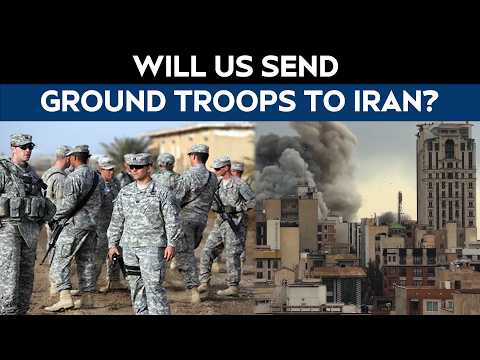
Will US Send Ground Troops To Iran? Experts Debate As War Enters Day 8
Summary
There are indications of a potential shift from air dominance to ground operations in the conflict involving Iran, with reports of troop deployments and artillery systems being moved. President Trump maintains that ground forces may not be necessary due to existing air superiority, aiming instead for total regime collapse. The Iranian regime is experiencing a loss of tactical control over isolated commanders, leading to rogue missile and drone strikes. This situation raises concerns about the potential escalation of conflict due to the regime's desperation and use of unconventional munitions.
The expresses skepticism about the United States' intelligence capabilities regarding Iran, suggesting significant gaps in understanding Iran's military assets. Historical patterns indicate that the U.S. The US military acknowledges the complexities of the current conflict, contrasting it with past operations in Iraq. James Bowden suggests that naval assets should have been deployed earlier to protect vessels in the Strait of Hormuz.
Perspectives
LLM output invalid; stored Stage4 blocks + metrics only.
Metrics
military_action
total regime collapse
President Trump's goal regarding Iran
This indicates a shift in US strategy towards a more aggressive stance.
President Trump has been very clear that he wants total surrender from this current regime
military_action
boots on the ground are imminent
Sierra Claire's perspective on troop deployment
This reflects skepticism about immediate ground troop involvement.
I would not say that I think ground troops are imminent.
military_action
air superiority
Reasoning behind avoiding ground troops
This suggests a strategic reliance on air power over ground forces.
he feels they're pointless because of the air superiority that we have gained over Iran
other
cluster munitions
type of munitions being used by the Iranian regime
The use of cluster munitions indicates a significant escalation in military tactics.
we started seeing them use cluster of munitions in Israel
other
nuclear strike
threats made by the Iranian regime
Threats of nuclear strikes highlight the regime's desperation and willingness to escalate conflict.
now they're sending messages about a possible nuclear strike
intelligence_capability
lower yield nuclear devices
potential military assets of Iran
Understanding Iran's capabilities is crucial for U.S. military strategy.
they could have lower yield nuclear devices
other
eighth stage stages
current phase of the conflict
Understanding the stage of conflict can inform strategic decisions.
the war this conflict has entered the eighth stage
Key entities
Timeline highlights
00:00–05:00
There are indications of a potential shift from air dominance to ground operations in the conflict involving Iran, with reports of troop deployments and artillery systems being moved. President Trump maintains that ground forces may not be necessary due to existing air superiority, aiming instead for total regime collapse.
- James Bowden suggests a slow escalation in the conflict, indicating a potential shift from air dominance to ground operations, although specifics remain unclear due to the USs message discipline. There are indications that ground troops may be deployed in Iran, with reports of artillery systems and larger bombers being moved into position
- Sierra Claire expresses skepticism about the immediacy of ground troop deployment, noting President Trumps belief that ground forces are unnecessary due to existing air superiority over Iran. Claire emphasizes that Trump aims for total regime collapse in Iran, distinguishing this from mere regime change
05:00–10:00
The Iranian regime is experiencing a loss of tactical control over isolated commanders, leading to rogue missile and drone strikes. This situation raises concerns about the potential escalation of conflict due to the regime's desperation and use of unconventional munitions.
- James Bowden notes that the Iranian regime has lost tactical control over isolated commanders, leading to rogue actions such as missile and drone strikes. This lack of discipline poses a significant risk as these commanders may possess munitions that could escalate the conflict. Bowden expresses concern that the regime is becoming desperate, as evidenced by their use of cluster munitions and threats of nuclear strikes
10:00–15:00
The speaker expresses skepticism about the United States' intelligence capabilities regarding Iran, suggesting significant gaps in understanding Iran's military assets. Historical patterns indicate that the U.S.
- The speaker expresses skepticism about the United States intelligence capabilities regarding Iran, suggesting that the CIA may not fully understand Irans military assets, including potentially lower yield nuclear devices. Historical patterns indicate that the U.S. has often underestimated its enemies, leading to prolonged military engagements
15:00–20:00
The US military acknowledges the complexities of the current conflict, contrasting it with past operations in Iraq. James Bowden suggests that naval assets should have been deployed earlier to protect vessels in the Strait of Hormuz.
- The US military recognizes the complexity of the current situation, contrasting it with past conflicts like Iraq, where challenges were underestimated. This understanding influences their operational strategies
- James Bowden believes military operations are progressing better than expected, but he points out a critical oversight regarding the Strait of Hormuz
- Bowden argues for a more proactive deployment of naval assets to escort ships in the region, suggesting that vessels should have been moving actively from day three of the conflict to avoid becoming vulnerable targets