Politics / Greece
Workplace Harassment Trends and Reporting Mechanisms
Workplace harassment incidents have significantly increased, reflecting a growing willingness among victims to report such behaviors. This trend underscores the urgent need for effective reporting mechanisms and support systems to address the issue.
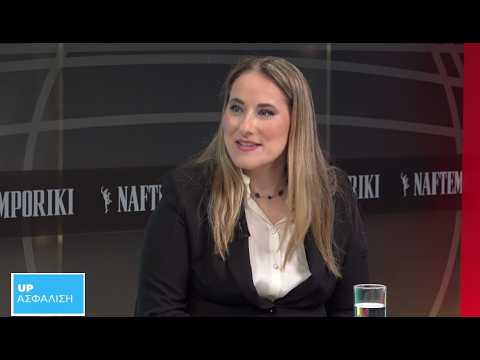
Source material: Insurance: The Rise of Harassment in the Workplace
Summary
Workplace harassment incidents have significantly increased, reflecting a growing willingness among victims to report such behaviors. This trend underscores the urgent need for effective reporting mechanisms and support systems to address the issue.
Recent statistics indicate a rise in harassment complaints, particularly in urban areas like Attica and Central Macedonia. The tourism and hospitality sectors are identified as having the highest number of harassment cases, likely due to the seasonal influx of workers.
Women are primarily the victims of workplace harassment, with a notable increase in reported incidents involving male perpetrators. The legal framework for workplace harassment has improved, creating a more protective environment for victims.
Employers are increasingly adopting internal reporting procedures for workplace harassment, enabling employees to report incidents and ensuring thorough investigations. Psychological and verbal abuse are the most frequently reported forms of harassment.
Perspectives
Support for Reporting Mechanisms
- Emphasizes the need for effective internal reporting mechanisms to address workplace harassment
- Highlights the importance of cultivating a culture of trust in reporting to enhance workplace dynamics
Concerns About Current Support Systems
- Raises questions about the adequacy of existing support systems for victims of harassment
Neutral / Shared
- Notes the significant rise in workplace harassment incidents, particularly in urban areas
- Acknowledges the legal framework for workplace harassment has improved, creating a more protective environment for victims
Key entities
Timeline highlights
00:00–05:00
Workplace harassment is increasingly prevalent, with a notable rise in reported incidents. This trend highlights the urgent need for protective measures to uphold employee dignity.
- The increasing prevalence of workplace harassment, which includes various forms such as psychological and sexual harassment, underscoring the need to protect employee dignity
- Recent statistics show a rise in harassment complaints, escalating from 151 incidents to 255.5, indicating that more individuals are starting to report such behaviors
- The term mobbing is introduced, comparable to bullying in schools, where individuals face targeting and ostracism by peers in the workplace, highlighting the importance of fostering a supportive environment
- A zero-tolerance policy towards harassment is emphasized, with a call for colleagues and employers to take proactive steps to prevent and address incidents, in accordance with legal requirements
- Statistical data reveals a troubling trend in workplace harassment, with a significant increase in reported cases, reflecting a growing awareness and readiness among employees to report incidents
05:00–10:00
The report indicates a significant rise in workplace harassment incidents, increasing from 151 to 255.5 cases. This trend reflects a growing willingness among victims to report such behaviors, particularly in urban areas like Attica and Central Macedonia.
- The report indicates a significant rise in workplace harassment incidents, increasing from 151 to 255.5 cases, reflecting a growing willingness among victims to report such behaviors
- Most reported incidents are concentrated in the Attica region, which has the largest workforce, followed by Central Macedonia, suggesting that larger urban areas may have higher visibility and reporting rates
- The tourism and hospitality sectors are identified as having the highest number of harassment cases, likely due to the seasonal influx of workers and the nature of the jobs, which can create vulnerable environments
- June is noted as the peak month for harassment reports, with a significant spike in complaints, indicating a potential correlation with the busy summer tourist season
- The findings highlight the need for stronger enforcement of workplace harassment laws, as employers are mandated to implement specific measures to prevent and address such incidents
10:00–15:00
Workplace harassment incidents have significantly increased, reflecting a growing willingness among victims to report such behaviors. This trend underscores the need for effective reporting mechanisms and support systems to address the issue.
- Workplace harassment incidents significantly increase during the summer months, largely due to the influx of seasonal workers in tourism and hospitality, which raises interpersonal tensions
- Workers often experience a gap between promised and actual working conditions, such as longer hours and lower pay, which can lead to harassment and violence
- There is a notable shift in the profile of harassers, with more incidents reported by colleagues rather than employers, indicating changing workplace dynamics
- Women are primarily the victims of harassment, with 92% of reported incidents involving male perpetrators, highlighting the gendered aspect of workplace violence
- Timely reporting of harassment is crucial, as early intervention can facilitate effective resolutions and contribute to a healthier work environment
15:00–20:00
Workplace harassment incidents have significantly increased, reflecting a growing willingness among victims to report such behaviors. This trend underscores the need for effective reporting mechanisms and support systems to address the issue.
- Women are the primary victims of workplace harassment, with reported incidents increasing from 30% to 38% in recent years, reflecting a growing willingness to report such cases
- While the majority of harassment cases involve male perpetrators, there is a notable rise in reports from both men and women, indicating changing dynamics in workplace harassment
- Data reveals that 81% of harassment complaints originate from employees, compared to only 39% from employers, highlighting a significant imbalance in accountability
- There is an increasing recognition of the need for protective measures against harassment based on various forms of discrimination, including gender, social status, and religious orientation
- The legal framework requires that harassment complaints be processed within two months, emphasizing the importance of immediate support and guidance for victims to encourage reporting
- A trend shows a gradual decrease in employer-related harassment complaints, suggesting that heightened awareness and training may be fostering a more supportive environment for reporting incidents
20:00–25:00
Workplace harassment incidents have significantly increased, reflecting a growing willingness among victims to report such behaviors. This trend underscores the need for effective reporting mechanisms and support systems to address the issue.
- Employers are increasingly adopting internal reporting procedures for workplace harassment, enabling employees to report incidents and ensuring thorough investigations to prevent recurrence
- A significant majority of reported harassment cases involve employees rather than employers, reflecting a cultural shift towards greater accountability and transparency in the workplace
- Psychological and verbal abuse are the most frequently reported forms of harassment, greatly outnumbering incidents of physical and sexual harassment
- The legal framework for workplace harassment has improved, creating a more protective environment for victims and addressing previously unreported cases of psychological harassment
- Reporting dynamics vary by hierarchy, with employees feeling more empowered to report harassment when the perpetrator is not their direct employer, indicating a need for cultural change in workplaces
25:00–30:00
Workplace harassment incidents are on the rise, indicating a growing willingness among victims to report such behaviors. This trend highlights the urgent need for effective reporting mechanisms and support systems.
- The necessity of effective internal reporting mechanisms to address workplace harassment and prevent escalation to legal disputes
- Georgia Vazaki emphasizes that the law mandates detailed descriptions of harassment incidents to substantiate claims, ensuring they are taken seriously
- The conversation aims to raise awareness about the importance of a balanced work environment, free from inappropriate behaviors, and encourages individuals to report such incidents
- Vazaki points out that cultivating a culture of trust in reporting can lead to more effective resolutions of harassment cases, ultimately enhancing workplace dynamics