Politics / Germany
Strait of Hormuz Reopening: Implications for Global Energy Security
The reopening of the Strait of Hormuz has led to a decrease in oil prices and an increase in share prices, indicating potential relief for the global economy. However, uncertainties remain due to the temporary ceasefire and ongoing U.S. blockade of Iranian ports, which complicates the situation.
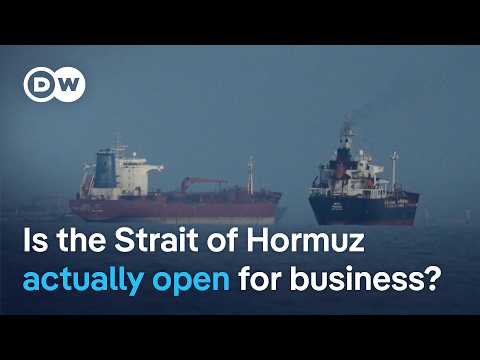
Source material: Will reopening the Strait of Hormuz end the global energy crisis? | DW News
Summary
The reopening of the Strait of Hormuz has led to a decrease in oil prices and an increase in share prices, indicating potential relief for the global economy. However, uncertainties remain due to the temporary ceasefire and ongoing U.S. blockade of Iranian ports, which complicates the situation.
Energy security specialist Olga Khakova emphasizes that while some vessels are moving through the Strait, full restoration of energy supply will take time due to significant infrastructure damage. Insurance companies are likely to cautiously adjust their rates as they evaluate risks associated with shipping through the Strait.
Nations reliant on energy-intensive manufacturing must enhance operational efficiency and prepare for potential disruptions, as elevated insurance premiums for shipping through the Strait are expected to persist. Countries are likely to seek alternative energy routes and diversify their energy supplies to mitigate risks associated with potential blockades.
The UN Secretary General welcomed Iran's announcement of the Strait of Hormuz being open for commercial vessels, viewing it as a positive step towards restoring international navigational rights. However, Iran's continued control over maritime traffic raises concerns about the stability of shipping routes and insurance costs.
Perspectives
Analysis of the reopening of the Strait of Hormuz and its implications for global energy markets.
Proponents of Reopening
- Argue that reopening the Strait of Hormuz will lead to lower oil prices and increased market stability
- Highlight the potential for improved energy security and international cooperation
Skeptics of Reopening
- Point out that the U.S. blockade and infrastructure damage will hinder a full recovery in oil supply
Neutral / Shared
- Acknowledge that the reopening is a positive step but does not resolve the global energy crisis
- Recognize the need for countries to diversify their energy supplies and prepare for potential disruptions
Metrics
other
over 600 ships units
ships waiting for safe passage through the Strait
The number of ships indicates the scale of the disruption and potential recovery in energy supply
roughly over 600 ships that are waiting for a safe passage.
Key entities
Timeline highlights
00:00–05:00
The reopening of the Strait of Hormuz has led to a decrease in oil prices and an increase in share prices, suggesting potential relief for the global economy. However, uncertainties remain due to the temporary ceasefire and ongoing US blockade of Iranian ports.
- The reopening of the Strait of Hormuz has resulted in lower oil prices and higher share prices, indicating potential relief for the global economy
- Despite positive market reactions, uncertainties persist due to the temporary ceasefire and the ongoing US blockade of Iranian ports
- Energy security specialist Olga Khakova emphasizes that while some vessels are moving through the Strait, full restoration of energy supply will take time due to infrastructure damage
- Insurance companies are likely to cautiously adjust their rates as they evaluate risks associated with shipping through the Strait, which may not return to pre-crisis levels quickly
- Asian countries, which heavily depend on energy imports from Gulf nations, are significantly impacted, making the reopening vital for their economies
- The geopolitical landscape remains intricate, with Irans actions and US strategies continuing to shape market dynamics and energy security in the region
05:00–10:00
The reopening of the Strait of Hormuz has led to a decrease in oil prices and an increase in share prices, but significant infrastructure damage may hinder a full recovery in oil supply. Nations reliant on energy-intensive manufacturing must enhance operational efficiency and prepare for potential disruptions.
- The reopening of the Strait of Hormuz is unlikely to restore oil supply levels to pre-crisis amounts due to extensive infrastructure damage that will require years to repair
- Nations dependent on energy-intensive manufacturing must improve operational efficiency and prepare for potential disruptions, as insurance premiums for shipping through the Strait are expected to remain elevated
- Countries are likely to seek alternative energy routes and diversify their energy supplies to mitigate risks associated with potential blockades, learning from past experiences
- Economies like Pakistan and Bangladesh face difficulties in establishing strategic reserves, prompting a need to focus on efficiency and secure contracts with alternative energy suppliers
- Future alliances among nations may develop as a strategy to enhance resource security, with partnerships viewed as essential for improving energy procurement efficiency
10:00–15:00
The reopening of the Strait of Hormuz has led to a decrease in oil prices, with crude oil dropping from around $95 to approximately $86 per barrel. Despite this positive market response, geopolitical risks and uncertainties remain high, potentially impacting future supply stability.
- The reopening of the Strait of Hormuz has resulted in a notable decrease in oil prices, with crude oil dropping from around $95 to approximately $86 per barrel, indicating market optimism about future supply stability
- Experts warn that despite the positive market response, geopolitical risks in the region remain high, potentially leading to increased insurance costs and a reevaluation of shipping routes to manage volatility
- Olga Khakova highlights the significance of strategic partnerships among nations to bolster energy security, suggesting that collaborative agreements can better address supply disruptions than relying solely on national reserves
- While the reopening is viewed positively, it does not signify the resolution of the global energy crisis, as persistent risks and uncertainties necessitate readiness for future disruptions
- The current situation underscores the importance for countries to reassess their energy dependencies and explore diversifying their supply chains to reduce reliance on any single route or source
15:00–20:00
The reopening of the Strait of Hormuz has been welcomed as a positive step towards restoring international navigational rights. However, Iran's continued control over maritime traffic raises concerns about the stability of shipping routes and insurance costs.
- The UN Secretary General welcomed Irans announcement of the Strait of Hormuz being open for commercial vessels, viewing it as a positive step towards restoring international navigational rights
- Despite the announcement, Iran continues to control maritime traffic in the Strait, which may impact shipping routes and insurance costs
- Behnam Ben Taleblu noted that Irans actions could be an effort to foster goodwill ahead of potential negotiations with the United States, although the situation remains precarious
- The markets positive reaction to the announcement reflects Tehrans desire to shape perceptions amid ongoing regional volatility, which could affect U.S. military strategies
- While the reopening of the Strait may indicate a shift towards negotiations, lasting peace between the U.S. and Iran is uncertain due to persistent hostilities and differing security policies
20:00–25:00
The reopening of the Strait of Hormuz has led to a decrease in oil prices, with crude oil dropping from around $95 to approximately $86 per barrel. However, geopolitical risks and uncertainties remain high, potentially impacting future supply stability.
- The U.S. blockade on Iranian oil continues to be a key leverage point for Washington, despite Irans announcement of the Strait of Hormuz reopening
- Iran maintains control over maritime traffic in the Strait, indicated by the presence of mines and ongoing U.S. restrictions
- The Iranian foreign minister connects the reopening of the Strait to the ceasefire in Lebanon, suggesting a strategic effort to enhance leverage in various conflicts
- The U.S. strategy focuses on increasing the supply of Arab oil to the market to ease pressure on oil prices while still enforcing the blockade on Iranian oil
- Iran is navigating complex ideological and strategic challenges, particularly concerning its relationship with Hezbollah amid rising tensions with Israel