Politics / Germany
Germany politics page with daily media monitoring, structured summaries of domestic political developments and a country-level press overview built from national political coverage.
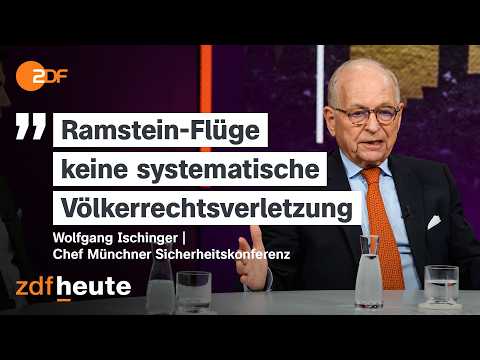
Trumps Krieg in Nahost – neuer Stresstest für die Nato? | maybrit illner 19. März 2026
Summary
Donald Trump demands military support from NATO allies regarding the Iran conflict, threatening a potential U.S. withdrawal from NATO if they do not comply. The situation raises concerns about the cohesion of the alliance and the implications for European security. Germany's leadership firmly states that the conflict is not their war, emphasizing the need for a unified European response to the crisis.
The SPD-Bundeslach faction articulates a strong opposition to the war, labeling it a significant mistake that does not align with the interests of the German people. The highlights the war's broader implications on regional stability and the global economy, arguing that the consequences of the conflict extend beyond territorial disputes.
The Iranian regime faces increasing military pressure from the U.S. and Israel, which may lead to regional chaos. The potential for NATO's collective security framework to fracture is evident, as European nations express reluctance to engage militarily in a conflict they do not perceive as their own.
Trump's expectation to open the Strait of Hormuz with military force is deemed unrealistic due to the significant naval resources required and the risk of severe oil flow reductions. The ongoing conflict in Ukraine complicates NATO's response to the Iran situation, as European nations are hesitant to overcommit to a conflict they do not perceive as their own.
Perspectives
Analysis of the Iran conflict and its implications for NATO and European foreign policy.
Pro-Trump/NATO Support
- Demands military support from NATO allies regarding the Iran conflict
- Threatens U.S. withdrawal from NATO if allies do not comply
- Highlights the need for NATO to respond to Iranian aggression
Anti-War/European Caution
- Labels the Iran conflict as a significant mistake
- Argues that the war does not align with the interests of the German people
- Emphasizes the need for a unified European response to the crisis
Neutral / Shared
- Notes the complexities of international relations and the potential for economic fallout from isolationist policies
- Acknowledges the interconnectedness of global conflicts and the potential repercussions on national security
Metrics
other
the Iranian regime, you know, you know about your survival
Iranian regime's survival amidst military pressure
Indicates the precarious situation of the Iranian regime.
the Iranian regime, you know, you know about your survival
other
the crisis of NATO has not begun with this war
Historical context of NATO's challenges
Highlights ongoing issues within NATO beyond the current conflict.
the crisis of NATO has not begun with this war
other
we do not want to share this war with us
European nations' stance on military involvement
Reflects a unified European opposition to military action.
we do not want to share this war with us
oil_flow_reduction
about 85%
potential reduction in oil flow if the Strait of Hormuz is blocked
This significant reduction could destabilize global oil markets.
even if it works, it still has a reduction of the oil flow about 85%
war_ships_required
at least 10 war ships units
naval resources needed to open the Strait of Hormuz
The requirement for substantial military resources highlights the impracticality of Trump's expectations.
to organize such communications, you need at least 10 war ships
tanker_in_basic_gulf
only three tanker units
number of tankers actually present in the basic Gulf
This low number raises concerns about the viability of oil transport under threat.
they only have three tanker in the street of Normus
energy_production
20%
Qatar's share of the world's energy production
This highlights Qatar's significant role in global energy markets.
I think that the Qataris produce 20% of the world's energy.
other
the majority of the people in Russia are just doing the war
public sentiment in Russia regarding the war
This indicates a significant public engagement in the conflict, which could influence future actions.
the majority of the people in Russia are just doing the war
Key entities
Timeline highlights
00:00–05:00
Donald Trump is demanding military support from NATO allies regarding the Iran conflict, threatening a potential U.S. withdrawal from NATO if they do not comply.
- Donald Trump is demanding military support from NATO allies regarding the Iran conflict, threatening a potential U.S. withdrawal from NATO if they do not comply
- German leaders, including Chancellor Friedrich Merz, have firmly stated that the Iran conflict is not their war, indicating a reluctance to engage militarily, which could jeopardize transatlantic relations and affect Europes economic stability amidst rising prices and supply chain issues
- Wolfgang Ischinger warns that NATOs indecision could lead to significant mistakes, undermining the alliances credibility and potentially emboldening adversaries
- Adis Ahmetović emphasizes the need for a cohesive European response to conflicts, arguing that a lack of unity could weaken Europes geopolitical standing and have long-term consequences for security
- The conversation reflects a broader concern about NATOs future and its ability to respond to emerging threats, serving as a critical test for the alliances resilience in a changing global landscape
05:00–10:00
The SPD-Bundeslach faction expresses a clear stance against the war, labeling it a significant mistake that does not align with the interests of the German people. The speaker emphasizes the importance of public opinion and the implications of the war on both regional and global scales.
- I am not sure if you spoke with me. But I am sure that you have talked about my faction with Minister and Minister
- Because I have made the position of the SPD-Bundeslach faction very clear. And I think it is important that you are clear in the first step
- This war is not ours. This war is wrong
- This war is a heavy mistake, as we now see. And it is also important that the government does not know about our security
- There are many scenes and people want to talk about the public opinion in the media. But the war is also very important in the German Bundestag
- Whether Germany is ready to do it or not. And this is not the case with the people
10:00–15:00
The Iranian regime faces increasing military pressure from the U.S. and Israel, which may lead to regional chaos.
- The Iranian regime is under significant pressure as the U.S. and Israel intensify military strategies against it, which could lead to unforeseen chaos
- NATOs unity is being tested as member states, including Germany, refuse to support military action in the Iran conflict, raising questions about the alliances future effectiveness
- Donald Trumps lack of commitment to NATO has contributed to the current crisis, potentially weakening transatlantic relations and diminishing NATOs collective security framework
- The current situation shows a unified European stance against involvement in the Iran conflict, indicating a shift in foreign policy compared to past conflicts like the Iraq War
- The ongoing war in Iran could severely impact Europe, particularly regarding economic stability and security, prompting nations to reassess their defense strategies
15:00–20:00
Trump's expectation to open the Strait of Hormuz with military force is deemed unrealistic due to the significant naval resources required and the risk of severe oil flow reductions. The ongoing conflict in Ukraine complicates NATO's response to the Iran situation, as European nations are hesitant to overcommit to a conflict they do not perceive as their own.
- Trumps expectation to open the Strait of Hormuz with military force is unrealistic, requiring significant naval resources and risking severe oil flow reductions. This highlights the challenges NATO faces in responding to U.S
- The blockade of the Strait of Hormuz involves complex military and logistical considerations, including the threat of Iranian attacks on shipping. This complicates NATOs ability to support U.S
- The ongoing conflict in Ukraine influences NATOs response to the Iran situation, as European nations are wary of overcommitting to a war they do not view as their own. This reluctance could weaken transatlantic relations and NATOs collective security framework
- Trumps approach to NATO has created a crisis of confidence among member states, leading them to question the reliability of U.S. commitments
- The implications of the Iran conflict extend beyond the region, affecting global oil markets and economic stability in Europe. Rising prices and disrupted supply chains signal broader economic repercussions if the situation escalates
- European leaders insistence that the Iran conflict is not their war reflects a significant shift in geopolitical attitudes. This prioritization of national interests over collective military action could reshape future alliances within NATO
20:00–25:00
The ongoing conflict in the Middle East is causing fragmentation in European foreign policy, with Germany's lack of initiative potentially harming its future diplomatic reputation. There is a significant opportunity for European diplomacy that remains largely untapped, highlighting the need for a cohesive strategy to stabilize the region.
- The ongoing conflict in the Middle East is straining European unity and foreign policy, leading to a fragmented response to the crisis
- Irans administration is open to dialogue, yet Europe struggles to assert its position, raising questions about its role in global security
- The potential for European diplomacy is significant but remains underutilized, indicating a need for a proactive approach to stabilize the region
- Germanys lack of initiative in offering support contrasts with other European nations, potentially damaging its reputation in future negotiations
- The aftermath of the conflict will reshape energy distribution and pipeline dynamics, with participating countries being remembered in future alliances
- The discussion around military support underscores the need for a cohesive European strategy, as a lack of unity risks diminishing Europes influence in international affairs
25:00–30:00
The situation in the Middle East has escalated with Israel targeting significant Iranian oil and gas infrastructure, raising concerns about regional stability. The U.S.
- The situation in the Middle East has escalated, particularly with Israel targeting significant Iranian oil and gas infrastructure, raising concerns about regional stability and the potential for broader conflict
- Qatars relationship with Iran complicates the dynamics, as their historical cooperation on energy matters could shift alliances and impact global energy production
- Saudi Arabia is cautious about engaging militarily with Iran, recognizing the risks of direct conflict, which highlights the delicate balance of power in the region
- The U.S. stance under Trump emphasizes a lack of direct threat from Iran, potentially leading to a withdrawal from active involvement in the region
- The economic implications of the conflict are significant, with rising energy prices and potential disruptions in supply chains, exacerbating existing economic challenges in Europe and beyond
- The internal politics of the U.S. and its allies will play a crucial role in determining their response to the Iran crisis