Politics / Germany
Germany politics page with daily media monitoring, structured summaries of domestic political developments and a country-level press overview built from national political coverage.
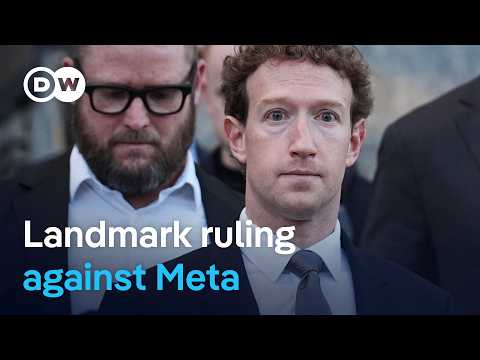
Meta found guilty of harming children's mental health — can this change Meta's way? | DW News
Summary
A New Mexico jury found Meta liable for knowingly harming children's mental health and imposed a $375 million fine, marking a significant legal precedent. This ruling is the first of its kind against a major social media company regarding child exploitation claims, highlighting the urgent need for accountability in the tech industry.
The case emphasizes the ongoing scrutiny of social media platforms and their impact on youth, particularly concerning addictive design features that contribute to mental distress. Legal experts suggest that this verdict could influence future regulations and lead to changes in how social media companies operate.
Proposals from the New Mexico Attorney General include age verification and algorithm modifications to reduce addictive qualities, which could set a precedent for other states and countries. However, Meta plans to appeal the verdict, potentially delaying any operational changes.
The divergence between federal and state regulations in the U.S. complicates the landscape for social media accountability. While federal efforts may aim to suppress state-level regulations, states continue to pursue their own policies regarding technology and user safety.
Perspectives
Analysis of Meta's legal challenges and implications for social media regulation.
Pro-regulation advocates
- Argues that Meta knowingly harmed childrens mental health
- Highlights the need for accountability in social media companies
- Proposes changes to algorithms to reduce addiction
- Emphasizes the significance of the jurys ruling as a legal precedent
Meta and tech industry defenders
- Denies that the financial penalties will significantly impact Metas operations
- Claims that the company is already taking steps to minimize risks
- Questions the effectiveness of proposed regulations like age verification
- Highlights the challenges of implementing effective regulation across different jurisdictions
Neutral / Shared
- Notes the divergence between federal and state regulations in the U.S
- Observes that other countries are also grappling with social media regulation
- Mentions the potential for increased litigation against social media companies
Metrics
fine
$375 million USD
the fine imposed by the jury
It represents a legal precedent in holding social media accountable for child exploitation.
$375 million fine
revenue
$60 billion USD
Meta's revenue last quarter
Indicates that the fine is negligible compared to the company's earnings.
$60 billion in revenue last quarter
damages
more than three million dollars USD
damages awarded to a young user for mental distress
This case sets a precedent for holding social media companies accountable for their design choices.
they've now been forced to pay her more than, called on to pay her more than three million dollars in damages.
potential_fine
millions over time, billions, perhaps USD
potential future fines if rulings are upheld
This indicates the potential scale of financial repercussions for Meta and similar companies.
if the rulings are upheld, you're looking at millions over time, billions, perhaps.
children_in_experiment
70,000 units
number of children in the Austrian smartphone experiment
This experiment demonstrates the potential benefits of reduced screen time for children.
70,000 school children who decided to go three weeks without their smartphones.
Key entities
Timeline highlights
00:00–05:00
A New Mexico jury found Meta liable for harming children's mental health and imposed a $375 million fine, marking a significant legal precedent. This case highlights the ongoing scrutiny of social media companies regarding their impact on youth and the need for accountability.
- A New Mexico jury found Meta liable for knowingly harming childrens mental health and hiding information about child exploitation, marking a significant legal precedent against the company
- The jury imposed a $375 million fine, which critics view as insufficient given Metas $1.5 trillion valuation
- Prosecutors argued that Meta prioritized profits over child safety, resulting in harmful practices over the past decade, highlighting the need for accountability in social media
- Meta has admitted to the existence of harmful content but claims to be taking steps to reduce risks and maintain transparency about the dangers of its platforms
- This case is part of a larger trend of lawsuits addressing the negative impact of social media on children, with advocates asserting that these platforms are intentionally addictive and expose youth to risks
- The ruling may prompt significant changes in social media operations, particularly in how algorithms and designs prioritize user safety over engagement
05:00–10:00
The New Mexico Attorney General's proposal for age verification and algorithm changes aims to reduce social media's addictive qualities, potentially influencing regulations in other states and countries. The ruling against Meta may signify a pivotal moment in social media regulation, although an appeal could postpone operational changes.
- The New Mexico Attorney General proposed age verification and algorithm modifications to lessen social medias addictive qualities, which could inspire similar regulations elsewhere
- This ruling may mark a turning point in social media regulation, but Metas expected appeal could delay any changes in operations
- Ongoing lawsuits against Meta and other tech firms highlight increasing scrutiny of their business models, potentially forcing Meta to rethink harmful practices
- The current regulatory environment is shaped by years of negative reports on social medias impact, leading to a push for more proactive governance
- State-level actions are gaining traction despite federal reluctance to regulate technology, as seen in the New Mexico verdict pushing for accountability
- While the financial impact of the ruling is minor for Meta, the legal precedent could encourage more lawsuits challenging tech companies protections under Section 230
10:00–15:00
The U.S. is experiencing a divergence between federal and state regulations on technology, particularly concerning social media's impact on youth.
- The U.S. faces a split between federal and state regulations on new technologies like AI
- Meta and YouTube were found liable for causing mental distress in a young user due to their platforms addictive features. This ruling could motivate more individuals to file similar claims against social media companies
- The jurys verdict represents a significant shift, holding companies accountable for creating addictive environments for children. This could lead to a surge of lawsuits akin to those against the tobacco industry
- The New Mexico case underscores Metas negligence in protecting users from online predators and its failure to disclose knowledge of such risks. This shift in focus towards platform design may alter legal accountability for social media firms
- The outcomes of these cases challenge the operational framework of social media beyond just financial penalties. As more lawsuits arise, there is potential for substantial changes in industry practices regarding user safety
- These developments reflect an increasing awareness of the risks social media poses to children, highlighting the need for stricter regulations. The results of these cases may shape future legislation and influence public attitudes towards social media
15:00–20:00
Recent legal rulings against Meta highlight the company's negligence in protecting children from online dangers, emphasizing the need for accountability in social media. The financial penalties, while seemingly minor, could escalate and influence broader regulatory changes across the tech sector.
- Recent rulings against Meta reveal the companys negligence in safeguarding children from online threats, including addiction and exploitation. This legal shift emphasizes the need for accountability among social media platforms
- Although the financial penalties for Meta may seem minor, they could escalate significantly if upheld, raising concerns about the long-term financial impact on social media companies facing similar lawsuits
- The complexity and cost of litigating against social media firms may discourage some from pursuing legal action, yet the potential reputational damage could compel these companies to change their practices
- These rulings may set a precedent affecting other technology sectors, particularly artificial intelligence, where algorithms could be held accountable for harm, leading to stricter regulations
- Countries like Australia are already implementing measures to restrict social media access for younger users, indicating a growing global awareness of the need to combat internet addiction among youth
- An Austrian experiment showed that children thrived without smartphones, suggesting that reducing screen time can positively impact their mental health and social interactions