Politics / Germany
Germany politics page with daily media monitoring, structured summaries of domestic political developments and a country-level press overview built from national political coverage.
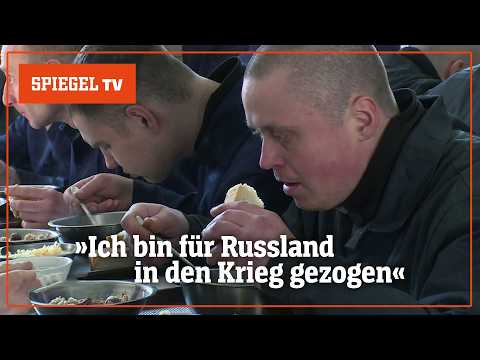
Vom Krieg in den Knast: Für Putin den Tod riskiert | SPIEGEL TV
Summary
Ukrainian camps currently detain around 7,000 Russian soldiers, while approximately 4,000 Ukrainian soldiers are held by Russia. Recent negotiations have facilitated the transfer of 500 prisoners, highlighting the humanitarian aspects of the ongoing conflict. The conditions in Ukrainian camps reportedly include structured routines and medical care, contrasting sharply with the lack of transparency regarding Russian prison conditions.
Medical personnel in Ukraine adhere to the Geneva Convention, providing care to war prisoners. However, injured Russian soldiers express frustration over being sent back to the front despite their medical conditions. This raises ethical concerns about the treatment of disabled personnel and the motivations behind such decisions.
Testimonies from Russian soldiers reveal a mix of anger and confusion regarding their situation. Many soldiers, despite severe injuries, are compelled to return to combat, indicating a troubling disregard for their well-being. The psychological impact of such decisions on soldiers could undermine morale and complicate the narrative of willing participation in the conflict.
Perspectives
short
Ukrainian Perspective
- Highlights structured routines and medical care in Ukrainian camps
- Emphasizes adherence to the Geneva Convention for prisoner treatment
Russian Perspective
- Claims that injured soldiers are sent back to the front despite their conditions
- Accuses the Russian military of neglecting the well-being of its soldiers
- Questions the motivations behind the ongoing conflict and treatment of prisoners
Neutral / Shared
- Notes the recent transfer of 500 prisoners as part of peace negotiations
- Acknowledges the disparity in treatment between Ukrainian and Russian prisoners
Key entities
Timeline highlights
00:00–05:00
Ukrainian camps currently hold around 7,000 Russian soldiers, while approximately 4,000 Ukrainians are detained by Russia. Recent negotiations have led to the transfer of 500 prisoners, emphasizing the importance of humanitarian considerations in the ongoing conflict.
- Ukrainian camps hold around 7,000 Russian soldiers, while 4,000 Ukrainians are held by Russia, highlighting the significance of prisoner exchanges
- Prisoners in Ukrainian camps receive structured routines and meals, contrasting sharply with harsher conditions in Russian prisons
- Many Russian soldiers were misled about their roles, leading to disillusionment and injuries
- The Ukrainian government ensures basic security and humanitarian rights for war prisoners, adhering to the Geneva Convention
- Recent negotiations resulted in the transfer of 500 prisoners, crucial for both sides to recover their soldiers
- Ukrainian camps emphasize discipline and order to prevent conflicts among prisoners
05:00–10:00
Ukrainian war prisoners receive medical care in accordance with the Geneva Convention, while injured Russian soldiers face neglect. The treatment of disabled personnel raises ethical concerns about the conduct of both sides in the conflict.
- Ukrainian war prisoners receive medical care under the Geneva Convention, contrasting sharply with the treatment of injured Russian soldiers
- Many Russian soldiers express anger over their situation, potentially fueling further resistance against Ukraine
- Amputee soldiers like Michael Viktorovich are sent back to the front despite their injuries, raising concerns about the treatment of disabled personnel
- Prisoners in Ukrainian camps produce military materials, indicating their continued use for combat purposes even in captivity
- Viktor hopes to return to civilian life after his contract, but the ongoing war complicates his aspirations
- Magumis change in perspective on the war highlights how captivity can alter views on the conflict