Politics / China
Guizhou's Chili Culture and Culinary Innovations
Guizhou Province stands as China's largest chili producer and the historical birthplace of the country's chili culture, with a tradition spanning over 260 years. The Jinyi chili exchange processes 380,000 tons of chili annually for export to over 80 countries, underscoring Guizhou's significant role in the global chili market.
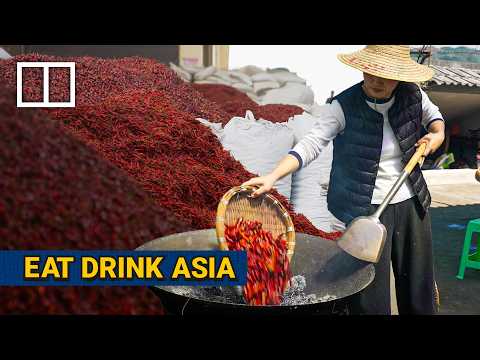
Source material: China’s hidden chilli capital, and the birthplace of the chilli crisp
Summary
Guizhou Province stands as China's largest chili producer and the historical birthplace of the country's chili culture, with a tradition spanning over 260 years. The Jinyi chili exchange processes 380,000 tons of chili annually for export to over 80 countries, underscoring Guizhou's significant role in the global chili market.
The region's mountainous geography, characterized by slopes and high altitudes, is ideal for chili cultivation, solidifying its reputation as the nation's chili capital. Chilies serve not only as a spice but also as a vital salt substitute in local diets, reflecting the ingenuity of Guizhou's residents in addressing economic challenges.
Local culinary practices feature innovative uses of chilies, demonstrating the creativity of the population in incorporating this ingredient into everyday meals. The Wong family creates traditional burnt chili at home, enhancing its smoky flavor with local ingredients like pine needle ashes.
Guizhou's chili culture has transformed from a survival necessity into a thriving business, with chefs like Chen Yao moving from restaurants to owning chili farms and factories. Zalatiao, a fermented chili made with baijiu, salt, and sugar, takes 180 days to prepare and is a popular dish in local restaurants.
Perspectives
Support for Guizhou's Chili Culture
- Highlights the innovative culinary practices that have emerged from Guizhous chili culture
- Emphasizes the economic transformation of chili from a survival necessity to a thriving business
Concerns about Dietary Diversity
- Raises questions about the sustainability of relying heavily on chili as a dietary staple
- Notes potential health implications of limited dietary diversity in the region
Neutral / Shared
- Acknowledges the historical significance of chili in Guizhous culture
- Recognizes the global impact of Guizhous chili products
Metrics
deliveries
380,000 tons
annual chili processed for export
This volume underscores Guizhou's dominance in the global chili market
In 2025, 380,000 tons of chili passed through here.
over 80 countries
of countries receiving chili exports
This indicates the global reach and demand for Guizhou's chili products
exported to more than 80 countries.
30 local local restaurants units
of local restaurants serving Zalatiao
This indicates a strong local economy centered around chili-based cuisine
We have a restaurant in front of us. It's a restaurant that has 30 local local restaurants.
Key entities
Timeline highlights
00:00–05:00
Guizhou Province is recognized as China's largest chili producer and the historical birthplace of the country's chili culture, with a tradition spanning over 260 years. The Jinyi chili exchange processes 380,000 tons of chili annually for export to over 80 countries, highlighting Guizhou's significant role in the global chili market.
- Guizhou Province is the largest chili producer in China and the historical birthplace of the countrys chili culture, with a tradition spanning over 260 years
- The Jinyi chili exchange is a major hub, processing 380,000 tons of chili annually for export to over 80 countries, underscoring Guizhous influence in the global chili market
- The regions mountainous geography, characterized by slopes and high altitudes, is ideal for chili cultivation, solidifying its reputation as the nations chili capital
- Chilies are not only a spice but also a vital salt substitute in local diets, reflecting the ingenuity of Guizhous residents in addressing economic challenges
- Local culinary practices feature innovative uses of chilies, demonstrating the creativity of the population in incorporating this ingredient into everyday meals
05:00–10:00
Guizhou Province is the historical birthplace of China's chili culture and is now the nation's top chili producer. The region's chili industry has evolved from a survival necessity into a thriving business, with unique culinary traditions and innovative dishes.
- The Wong family creates traditional burnt chili at home, enhancing its smoky flavor with local ingredients like pine needle ashes
- Guizhous chili culture has transformed from a survival necessity into a thriving business, with chefs like Chen Yao moving from restaurants to owning chili farms and factories
- Zalatiao, a fermented chili made with baijiu, salt, and sugar, takes 180 days to prepare and is a popular dish in local restaurants
- The diverse chili dishes in Guizhou, such as fried rice and hot pot, reflect the regions unique culinary identity shaped by its rich chili heritage
10:00–15:00
Guizhou Province is recognized as China's largest chili producer, with a rich history of chili culture. The region's culinary identity is shaped by unique techniques and flavors that have gained international acclaim.
- Guizhous culinary identity is closely linked to its chili culture, which features a unique combination of sour and spicy flavors that highlight the regions ingenuity
- Zalatiao fried rice exemplifies local traditions by incorporating pickled chili, enhancing the dishs flavor profile despite the areas limited resources
- Residents of Guizhou have developed various techniques, including drying, charring, and fermenting, to create unique chili products that have gained international acclaim
- The pride of Guizhous inhabitants in their chili heritage stems from a history of resilience, transforming basic ingredients into celebrated culinary staples