Politics / China
Repatriation of Korean War Soldiers
China has repatriated 1,023 remains of volunteer soldiers from the Korean War, reflecting its commitment to honoring these individuals. The latest operation utilized a domestically developed aircraft, showcasing advancements in the Chinese Air Force.
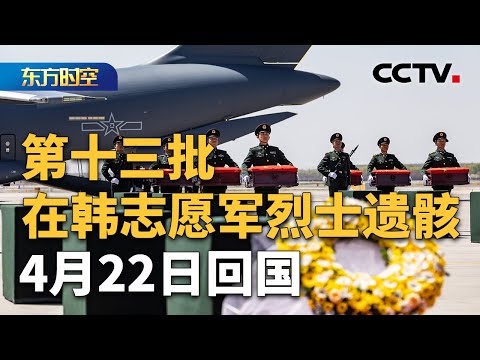
Source material: China Welcomes Back 1,023 Remains of Volunteer Soldiers from the Korean War: Thirteen Years of Receiving and Welcoming: The Evolution of the Planes Bringing the Soldiers Home | CCTV 'Oriental Time'
Summary
China has repatriated 1,023 remains of volunteer soldiers from the Korean War, reflecting its commitment to honoring these individuals. The latest operation utilized a domestically developed aircraft, showcasing advancements in the Chinese Air Force.
The repatriation ceremony featured military honors, including fighter jets escorting the aircraft, symbolizing national respect for the fallen soldiers. Efforts to identify and reunite families with the remains have resulted in the successful identification of 36 individuals.
The Y-20, a newly developed large multi-purpose transport aircraft, successfully completed its first mission to repatriate the remains of Chinese volunteers from the Korean War. This shift from older aircraft to advanced domestically produced models signifies modernization of military equipment.
Repatriation ceremonies have become a national tradition, marked by significant public participation, highlighting the collective memory and reverence for fallen heroes. The use of advanced fighter jets in escort missions during these repatriations underscores China's growing military strength.
Perspectives
short
Chinese Government
- Highlights commitment to honoring war heroes through repatriation efforts
- Showcases advancements in military technology with the use of domestically developed aircraft
Critics of National Narrative
- Questions the focus on military honors and its implications for historical memory
Neutral / Shared
- Repatriation ceremonies have become a national tradition in China
- Efforts to identify remains have resulted in significant familial connections
Key entities
Timeline highlights
00:00–05:00
China has repatriated 1,023 remains of volunteer soldiers from the Korean War, reflecting its commitment to honoring these individuals. The latest operation utilized a domestically developed aircraft, showcasing advancements in the Chinese Air Force.
- The 13th batch of remains of 12 Chinese Peoples Volunteer Army soldiers was repatriated from South Korea, highlighting the nations commitment to honoring its war heroes
- This operation marked the first use of a domestically developed aircraft model for repatriation, showcasing advancements in the Chinese Air Force
- Since 2014, China has successfully repatriated a total of 1,023 soldiers remains from the Korean War, reflecting ongoing efforts to honor their sacrifices
- The repatriation ceremony featured military honors, including fighter jets escorting the aircraft, symbolizing national respect for the fallen soldiers
- Efforts to identify and reunite families with the remains have resulted in the successful identification of 36 individuals, underscoring the importance of familial connections in national remembrance
05:00–10:00
China has repatriated 1,023 remains of volunteer soldiers from the Korean War, reflecting a commitment to honoring these individuals. The operation utilized advanced domestically developed aircraft, showcasing military advancements.
- The Y-20, a newly developed large multi-purpose transport aircraft, successfully completed its first mission to repatriate the remains of Chinese volunteers from the Korean War, showcasing advancements in military capabilities
- Over thirteen years, China has repatriated 1,023 sets of remains, demonstrating a commitment to honoring its war heroes and reflecting the evolution of military transport technology
- The shift from older aircraft to advanced domestically produced models signifies modernization of military equipment and a deeper respect for the sacrifices of the soldiers
- Repatriation ceremonies have become a national tradition, marked by significant public participation, highlighting the collective memory and reverence for fallen heroes
- The use of advanced fighter jets in escort missions during these repatriations underscores Chinas growing military strength and its focus on maintaining national dignity and historical responsibility