Politics / Austria
Pluralistic review of domestic politics through national press, media commentary and public debate across diverse political perspectives. Topic: Austria. Updated briefs and structured summaries from curated sources.
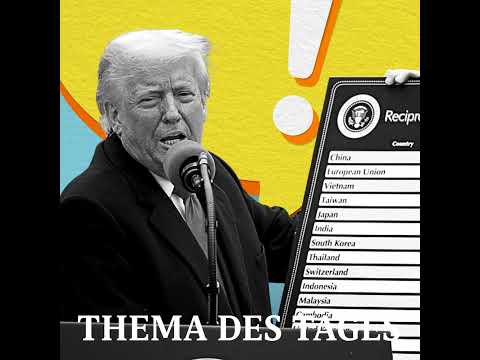
Donald Trumps größte Niederlage
Summary
Donald Trump's tariff policies faced a significant setback when the U.S. Supreme Court ruled against them, stating that tariffs must be legislated by Congress. This ruling challenges Trump's approach to using tariffs as a tool for geopolitical maneuvering and raises questions about the legal basis for his actions.
Despite the ruling, Trump announced new tariffs, including a 10% duty on certain imports, indicating his continued reliance on tariffs. This decision introduces uncertainty regarding the implementation of these tariffs and complicates trade relations, particularly with the European Union.
The Supreme Court's decision has implications for American consumers and businesses, potentially leading to higher prices and economic instability. The ruling also complicates Trump's ability to document unfair trade practices, especially with trading partners like the EU.
As the political landscape shifts with upcoming elections, Trump's power may be further constrained by the Supreme Court's rulings. Eric Frey is launching a newsletter titled 'Trumps World' to explore the complexities of American politics and Trump's influence.
Perspectives
short
Support for Trump's Tariff Policies
- Claims tariffs are essential for protecting American industries
- Argues tariffs can be used as a tool for geopolitical leverage
- Highlights Trumps commitment to using tariffs despite legal challenges
Criticism of Trump's Tariff Policies
- Warns that tariffs lead to increased costs for consumers and businesses
- Questions the legal basis for Trumps unilateral tariff decisions
- Highlights the Supreme Courts ruling as a significant setback for Trumps trade strategy
Neutral / Shared
- Notes the uncertainty surrounding the implementation of new tariffs
- Observes the potential economic implications of rising import costs
- Mentions the complexity of international trade dynamics
Metrics
tariff
15%
previously agreed tariffs by the EU
This percentage indicates the potential financial burden on American consumers and companies.
the original 15 percent still in power
loss
130 billion dollars USD
potential losses in the American economy
This figure highlights the significant economic impact of tariff policies.
it should be worth 130 billion dollars
refunds
the importers, who have now taken it, have now a right to pay back
refunds due to the Supreme Court ruling
This indicates a significant financial adjustment for importers.
the importers, who have now taken it, have now a right to pay back
inflation
inflation will be a little higher in the USA %
impact of tariffs on inflation
Higher inflation could affect consumer purchasing power.
inflation will be a little higher in the USA
costs
the current Act prices are probably not as high as the current prices
comparison of current prices to previous prices
This suggests a disconnect between policy and market realities.
the current Act prices are probably not as high as the current prices
loss
significant losses for American farmers
impact of China's tariffs on American soybeans
This highlights the direct economic consequences of retaliatory tariffs.
China has heard of American soy beans. A very large business for American farmers. And now they have a lot of things to lose.
export
less in the USA is exported
impact of high imports on US exports
This indicates a potential trade imbalance exacerbated by tariff policies.
Then less in the USA is exported.
Key entities
Timeline highlights
00:00–05:00
Donald Trump's tariff policies have been ruled against by the U.S. Supreme Court, which stated that tariffs must be legislated by Congress.
- Donald Trump has a strong affinity for tariffs, viewing them as a key tool in his geopolitical strategy. However, the U.S. Supreme Court recently ruled against his tariff policies, which has significant implications for his administration
- The Supreme Courts decision highlighted that tariffs must be legislated by Congress, not unilaterally imposed by the President. Trumps reliance on a 1977 law to justify his tariffs was deemed inappropriate, as the law was intended for emergency situations rather than political sanctions
- The ruling came after a lengthy legal battle, with the Supreme Court previously siding with Trump on various issues. This time, however, the court found that Trumps tariffs lacked a legal basis, undermining a significant aspect of his trade policy
- Trumps tariffs, which were expected to generate billions in revenue, were declared invalid, marking a major setback for his administration. The decision reflects a broader challenge to his approach to international trade and economic policy
05:00–10:00
The Supreme Court ruled against Trump's tariffs, stating they were unjustified under the emergency law. Trump announced new tariffs, including a 10% duty on certain imports, indicating his continued reliance on tariffs despite legal challenges.
- The Supreme Court recently ruled against Trumps tariffs, stating they were not justified under the emergency law he invoked, which has significant implications for his trade policies and political strategy. In response, Trump announced new tariffs, including a 10% duty on certain imports, indicating his intent to continue using tariffs as a tool for economic leverage despite legal setbacks
10:00–15:00
The Supreme Court's ruling against Trump's tariffs has introduced uncertainty regarding the implementation of a new 10% tariff. The ruling complicates Trump's ability to document unfair trade practices, particularly with the European Union.
- The Supreme Courts ruling against Trumps tariffs has created significant uncertainty regarding the new 10% tariffs, as their impact on existing costs and Trumps agenda remains unclear. Eric highlights a 150-day timeline for these tariffs, stressing that without concrete action, they could become ineffective
- Trump can utilize a 1974 law to address unfair trade practices, but he must document these claims, complicating matters with the European Union, which generally welcomes American products. The potential for sectoral tariffs exists, targeting specific products and possibly reviving outdated laws from the 1930s
15:00–20:00
The European Union is currently uncertain about the status of the previously agreed 15% tariffs, which may be reduced or eliminated. This uncertainty complicates trade relations, particularly affecting American consumers and companies who may face higher prices due to these tariffs.
- The European Union is facing uncertainty regarding the status of the previously agreed 15% tariffs, with indications that these may be reduced or eliminated altogether. This situation complicates trade relations, especially as certain products like agricultural goods and aircraft parts were initially exempt from tariffs but are now included in a broader deal
- The European Parliament is in the process of ratifying the deal, but concerns about additional conditions could complicate the agreement further. American consumers and companies are likely to bear the brunt of the tariffs, facing higher prices due to the costs associated with these trade policies
- There is significant uncertainty in the market regarding how companies should respond to the evolving tariff situation. Investors are hesitant to make decisions amid fluctuating conditions, and Trumps ability to alter his stance on tariffs at any moment adds to the unpredictability
20:00–25:00
The US Supreme Court's ruling against Trump's tariffs has significant implications for importers and exporters, potentially leading to refunds for companies like FedEx. This decision complicates the economic landscape as rising costs and inflation may alienate voters.
- The US Supreme Courts decision to overturn Trumps tariffs has significant implications for the economy, affecting pricing and market flow for importers and exporters. This ruling entitles importers to refunds, prompting companies like FedEx to prepare for claims, while smaller companies may struggle with financial adjustments
- Despite the tariffs negative economic impact, Trump remains undeterred, asserting their benefits. This stance may not resonate with voters facing increased costs and inflation, complicating the political landscape as rising living costs could alienate constituents
25:00–30:00
Donald Trump's tariff policies have led to increased import costs, adversely affecting American consumers and businesses. The Supreme Court's ruling against these tariffs complicates his administration's trade strategies and may lead to further legal challenges.
- Donald Trumps approach to tariffs has led to increased import costs, negatively impacting American consumers and businesses. The high tariffs have made it difficult for importers to sell products, resulting in a decrease in exports from the USA
- Chinas response to Trumps tariffs has included imposing its own tariffs on American goods, such as soybeans, causing significant losses for American farmers. This retaliatory action underscores the interconnectedness of global trade and the repercussions of unilateral tariff policies
- The Supreme Courts recent decision against Trumps tariffs represents a significant setback for his administration, potentially limiting his ability to implement trade policies. This ruling may lead to further legal challenges regarding his economic strategies