Intel / Society Tension
Surrogacy and Adoption Controversy
A viral featuring two men mocking their crying adopted baby has ignited a significant debate about the implications of surrogacy and adoption. Critics argue that the child's instinctual need for maternal comfort is being disregarded, raising concerns about the psychological effects on children raised in non-traditional family structures.
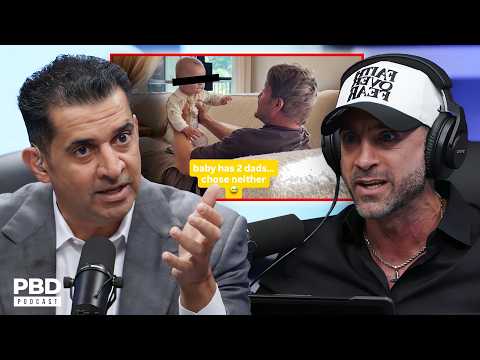
Source material: “Homophobic At 6-Weeks-Old?” - Gay Man Goes VIRAL As Adopted Baby Cries For Mother
Summary
A viral featuring two men mocking their crying adopted baby has ignited a significant debate about the implications of surrogacy and adoption. Critics argue that the child's instinctual need for maternal comfort is being disregarded, raising concerns about the psychological effects on children raised in non-traditional family structures.
Participants emphasize the importance of a loving home for children, highlighting that a nuclear family with both a mother and father is ideal for emotional development. The emotional response of the baby in the , crying for its mother, underscores the natural instincts that children possess.
Critics of the express disgust at the mocking behavior displayed by the fathers, labeling it as evil and indicative of a broader cultural issue. They argue that such actions normalize a desensitization to children's emotional needs, which could have long-term psychological repercussions.
Supporters of traditional family structures assert that children require both maternal and paternal figures for optimal development. They argue that the current societal acceptance of non-traditional family setups may overlook the complexities of familial love and support.
Perspectives
Discussion centers on the emotional needs of children in non-traditional families.
Critics of Non-Traditional Family Structures
- Argues that children instinctively need maternal comfort
- Highlights the emotional distress caused by mocking behavior
- Claims that societal acceptance of such behavior is indicative of cultural decay
- Questions the long-term psychological effects on children in non-traditional families
- Rejects the notion that surrogacy is a nurturing process
Supporters of Non-Traditional Family Structures
- Proposes that loving homes can exist in various family structures
- Claims that many same-sex couples provide stable environments for children
- Argues that societal views on family are evolving positively
- Highlights the importance of love and support over traditional family roles
Neutral / Shared
- Acknowledges the need for loving homes for all children
- Recognizes the shift in public opinion regarding same-sex adoption
Metrics
support
63%
percentage of Americans supporting same-sex couples' right to adopt
This indicates a significant shift in societal attitudes towards adoption by same-sex couples.
most Americans say same sex couples entitled to adopt Okay, clear majority 63%
support
29%
percentage of Americans supporting same-sex couples' right to adopt in 1992
This shows the historical context of changing perceptions over time.
look at 1992 29% said yes
Key entities
Timeline highlights
00:00–05:00
A viral video of two men mocking a crying baby has ignited outrage regarding the implications of surrogacy and adoption. Critics argue that the child's need for maternal comfort is being disregarded, raising concerns about the psychological effects on children in non-traditional family structures.
- A viral video of two men mocking a baby crying for its mother has sparked significant outrage, highlighting the emotional and moral implications of surrogacy and adoption in todays society
- Critics contend that the childs need for maternal comfort is being overlooked for entertainment, raising concerns about the psychological effects on children in non-traditional family settings
- The mocking behavior in the video reflects a broader cultural issue, suggesting that society is losing touch with essential parenting values
- The panel asserts that children thrive best in a nuclear family with both a mother and a father, supported by data indicating that traditional family structures offer the most stable environment for development
- There is increasing worry that normalizing such behaviors may desensitize society to childrens needs, as evidenced by the online support for the video
- The necessity of acknowledging childrens rights and needs within modern family arrangements, emphasizing that children should not be viewed as commodities in any context
05:00–10:00
A viral video depicting a baby crying for its mother has sparked discussions about the emotional needs of children in non-traditional family structures. Critics emphasize that such needs are often overlooked, raising concerns about the psychological impact on children raised in these environments.
- A video showing a baby crying for its mother raises concerns about the emotional needs of children in non-traditional family structures, suggesting these needs are often overlooked
- Mocking a childs natural desire for maternal comfort reflects a troubling trend where society trivializes the emotional well-being of children
- Critics argue that children raised in traditional family settings fare better emotionally and psychologically, questioning the suitability of surrogacy and adoption by same-sex couples
- The viral response to the mocking behavior indicates a cultural shift that some view as alarming, suggesting a growing acceptance of harmful attitudes towards childrens needs
- The necessity of acknowledging childrens instincts, warning that neglecting these can lead to confusion and distress
- There is a strong call to prevent children from being used as entertainment content, raising ethical concerns about parental and societal responsibilities in protecting their emotional health
10:00–15:00
A viral video of two men mocking their crying adopted baby has raised concerns about the emotional needs of children in non-traditional family structures. Critics argue that such behavior overlooks the child's instinctual need for maternal comfort and may have long-term psychological effects.
- A viral video of two men mocking their crying adopted baby raises serious concerns about the emotional needs of children in non-traditional family structures
- Critics suggest that the mocking behavior points to deeper issues regarding the appropriateness of certain adoption practices, as it overlooks the childs instinctual need for maternal comfort
- The panel expresses unease about the normalization of surrogacy and adoption by same-sex couples, arguing that while rights exist, traditional family dynamics should not be ignored
- Public opinion on same-sex adoption has shifted positively, as indicated by a Gallup poll, yet the panel remains doubtful about the long-term effects on children in these family setups
- Concerns are raised about the potential identity confusion children may experience in non-traditional families, impacting their emotional and psychological well-being
- The discussion concludes with a strong emphasis on protecting childrens natural needs, advocating for adherence to traditional family structures to support healthy development