Intel / Security Alert
Monitor security alerts, threat signals and strategic risk developments through structured intelligence and crisis-oriented summaries.
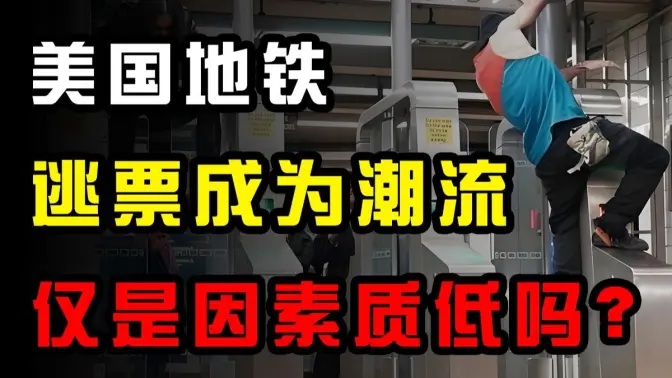
New York Subway Spent 7.3 Million on Turnstile Repairs, Only to Be Taken Down by a Shoe?
Summary
The New York Metropolitan Transportation Authority has allocated $7.3 million for turnstile repairs to combat fare evasion across five boroughs by January 2026.
Despite these efforts, fare evasion remains prevalent as individuals quickly adapt to new protective measures.
High living costs and declining service quality contribute to dissatisfaction among paying customers.
The reliance on financial investment overlooks the socio-economic pressures faced by low-income individuals.
Perspectives
The material discusses the socio-economic factors influencing fare evasion in the New York subway system.
Support for Investment in Turnstile Repairs
- Allocate funds to improve fare collection systems
- Aim to reduce fare evasion through enhanced security measures
- Invest in infrastructure to modernize the subway system
Criticism of Current Measures
- Highlight the ineffectiveness of financial investments without addressing socio-economic factors
- Point out the declining service quality and safety issues in the subway system
- Argue that fare evasion has become a rational choice for many due to high living costs
Neutral / Shared
- Acknowledge the ongoing challenges faced by the New York subway system
- Recognize the historical context of fare evasion and infrastructure issues
- Note the complexity of addressing fare evasion through financial means alone
Metrics
fare_increase
300.0 USD
increase in subway fare
The fare increase exacerbates dissatisfaction among riders.
Ticket prices have also increased significantly, from $2.75 directly to $300.
Key entities
Timeline highlights
00:00–05:00
The New York Metropolitan Transportation Authority has allocated $7.3 million for turnstile repairs to reduce fare evasion across five boroughs by January 2026. Despite these efforts, fare evasion remains prevalent as individuals quickly adapt to new protective measures.
- The New York Metropolitan Transportation Authority announced a budget of 7.3 million dollars for turnstile repairs to combat fare evasion, aiming to implement these measures across five boroughs by the end of January 2026
- Despite the investment, fare evasion remains alarmingly easy, with individuals able to bypass the new protective measures in mere seconds using simple tricks
- The previous turnstile design was ineffective against fare evaders who could easily jump over it, prompting the introduction of new barriers and metal plates
- However, fare evaders quickly adapted to the new designs, demonstrating that the upgrades merely transformed fare evasion into a physical challenge
- The high cost of living in New York City, with median rents for a one-bedroom apartment reaching 4,500 dollars, contributes to the prevalence of fare evasion
- Monthly expenses for food and other living costs further strain budgets, leaving some individuals with little choice but to evade fares
05:00–10:00
The New York subway system has invested $7.3 million in turnstile repairs to combat fare evasion, yet these measures have not effectively deterred individuals from bypassing the system. Contributing factors include the high cost of living and declining service quality, which have led to dissatisfaction among paying customers.
- The New York subway system has spent 7.3 million dollars on turnstile repairs to prevent fare evasion, but these measures have proven ineffective as individuals have found simple ways to bypass the new systems
- The high cost of living in New York City, with median rents for apartments reaching 4,500 dollars, makes fare evasion an attractive option for low-income individuals, including immigrants and workers in low-paying jobs
- The subways service quality has declined, with reports of significant incidents and poor maintenance, leading to dissatisfaction among paying customers who feel the service does not justify the fare
10:00–15:00
The New York subway system has faced ongoing challenges for nearly 30 years, with significant upgrades projected to take at least another 50 years. Safety concerns have intensified, as violent incidents increase and ineffective anti-fare evasion measures divert funds from essential infrastructure improvements.
- The MTA has been struggling with the New York subway system for nearly 30 years, with estimates suggesting it will take at least another 50 years to complete necessary upgrades, including the IOSN and the 7 line
- The opening of the Di line in 2017, which took nearly a century to complete and cost $4.5 billion, was marred by immediate signal system failures, leaving passengers stranded on platforms
- Safety concerns have escalated in the subway, with violent incidents becoming more frequent, including a tragic case where a Ukrainian girl was fatally attacked shortly after arriving in the U.S
- Many New Yorkers feel unsafe while waiting for trains, leading some to adopt defensive postures to avoid being pushed onto the tracks
- The subways issues stem from systemic failures rather than just equipment problems, as significant funds are spent on ineffective anti-fare evasion measures while basic safety and signal systems remain neglected
- In contrast, Chinas subway system has become a global leader in efficiency and safety, demonstrating the importance of effective governance and infrastructure investment