Intel / Middle East
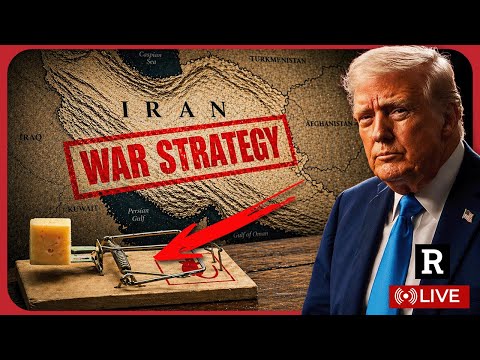
Trump is TRAPPED! How the Iran war just became Trump's new forever war | Redacted w Clayton Morris
The discussion highlights backlash against male NFL cheerleaders and critiques the accountability of political figures, particularly regarding Trump supporters' feelings of betrayal. Concerns about the U.S. The discussion centers on the president's constitutional authority regarding federal agency changes and public skepticism towards government legitimacy. Concerns are raised about the classification of government overthrow advocates as domestic terrorists, reflecting a broader distrust in institutions.
Summary
The discussion highlights backlash against male NFL cheerleaders and critiques the accountability of political figures, particularly regarding Trump supporters' feelings of betrayal. Concerns about the U.S. The discussion centers on the president's constitutional authority regarding federal agency changes and public skepticism towards government legitimacy. Concerns are raised about the classification of government overthrow advocates as domestic terrorists, reflecting a broader distrust in institutions.
Australia is considering a controversial anti-Semitism bill that critics argue represents an extreme response to hate speech. The discussion also highlights concerns about press freedom and the accountability of political figures in the context of misinformation and election interference. The discussion highlights the potential legal repercussions for Hillary Clinton regarding the Trump collusion narrative and the ongoing impact of the conflict in Iran on economic conditions. Concerns are raised about a possible global depression linked to supply chain disruptions and panic buying.
Perspectives
LLM output invalid; stored Stage4 blocks + metrics only.
Metrics
other
550,000 units
unaccompanied children reported missing
This alarming number highlights significant issues in child welfare and immigration policies
550,000 unaccompanied. Yes, ma'am, they're gone.
other
over 30 Iranian tankers units
of tankers breaking the blockade
This indicates the effectiveness of Iranian evasion tactics against U.S. sanctions
over 30 Iranian tankers have been able to break the blockade and sell their oil overseas.
other
13 units
current troop deaths in the conflict
Increased casualties could lead to domestic protests against the war
only 13 troops have died so far
other
100 units
potential threshold for protests
Reaching this number may trigger significant public backlash
if the count reaches 100, we can see massive protests against this war
other
373 percent %
increase in Alzheimer's diagnoses among 30 to 44 year olds
This significant rise indicates a growing public health concern
373 percent increase in diagnoses among 30 to 44 year olds.
other
311 percent %
increase in Alzheimer's diagnoses among 45 to 54 year olds
This trend suggests a need for urgent research and intervention strategies
311 percent increase in 45 to 54 year olds in the US in recent years.
other
$800 USD
average savings for customers using American Financing
This financial relief can significantly impact household budgets
On average, American financing is saving their customers $800 a month.
other
20%
increase in prices of items since the war in Ukraine
This inflation affects the cost of living and economic stability
items are up more than 20% since the war in Ukraine.
Key entities
Timeline highlights
00:00–05:00
The discussion highlights backlash against male NFL cheerleaders and critiques the accountability of political figures, particularly regarding Trump supporters' feelings of betrayal. Concerns about the U.S.
- The hosts discuss the backlash against male NFL cheerleaders, connecting it to a wider reaction against perceived progressive movements
- One host suggests that the male-dominated NFL audience may not embrace male cheerleaders, while the other remains indifferent as long as the performers demonstrate skill
- Concerns are raised about the accountability of political figures, with implications that Trump supporters may feel let down by the absence of repercussions for certain actions
- The discussion shifts to economic stability, questioning whether the U.S. has reached a critical point regarding the dollars viability and the risk of a financial crisis
- The hosts critique UK law enforcement, arguing that there is an excessive focus on minor issues rather than serious crimes, and they comment on societal perceptions of aging women
05:00–10:00
The discussion centers on the president's constitutional authority regarding federal agency changes and public skepticism towards government legitimacy. Concerns are raised about the classification of government overthrow advocates as domestic terrorists, reflecting a broader distrust in institutions.
- The hosts discuss the presidents constitutional authority to implement significant changes in federal agencies, including budget cuts and personnel adjustments, which some believe may necessitate congressional approval
- Skepticism about government legitimacy is expressed, with claims that officials are influenced by larger organizations like the United Nations and the World Economic Forum, indicating a widespread distrust in governmental institutions
- The conversation critiques the medias portrayal of public figures, highlighting backlash against an ad campaign featuring a celebrity, which some have accused of promoting divisive ideologies
- Concerns are raised regarding the classification of individuals advocating for government overthrow as domestic terrorists, viewed as a potential threat to civil liberties and the principles of freedom outlined in foundational documents
- Public frustration is evident over perceived inaction against figures like Anthony Fauci, reflecting a disconnect between citizen expectations and the judicial systems responses
10:00–15:00
Australia is considering a controversial anti-Semitism bill that critics argue represents an extreme response to hate speech. The discussion also highlights concerns about press freedom and the accountability of political figures in the context of misinformation and election interference.
- Australia is contemplating a contentious anti-Semitism bill, which critics view as an extreme response to hate speech, indicative of a broader trend of Western governments imposing restrictions on their populations and religious practices
- The Jeffrey Epstein case continues to raise alarms about concealed truths and the suppression of information, with increasing calls for accountability regarding the fate of many missing unaccompanied children
- The FBIs execution of a search warrant at a Washington Post reporters residence poses a serious threat to press freedom, jeopardizing the essential role of informants and whistleblowers in investigative journalism
- Concerns are mounting over the control exerted by authorities over information access, with implications for democracy as both political parties attempt to regulate public understanding
- The potential for civil or criminal charges against Americans involved in propaganda, emphasizing the need for accountability in relation to election interference and misinformation
15:00–20:00
The discussion highlights the potential legal repercussions for Hillary Clinton regarding the Trump collusion narrative and the ongoing impact of the conflict in Iran on economic conditions. Concerns are raised about a possible global depression linked to supply chain disruptions and panic buying.
- Evidence suggests Hillary Clinton may have contributed to the Trump collusion narrative, which could result in significant legal repercussions for her
- The ongoing conflict in Iran is impacting daily life, particularly affecting economic conditions and family budgets
- Warnings about a potential global depression are increasing, with concerns over food shortages and panic buying linked to supply chain disruptions
- NASAs role in defense spending and space technology development adds to doubts about accountability and regulatory oversight
- The hosts stress the necessity of staying informed on these issues, highlighting that mainstream media often neglects critical stories
20:00–25:00
President Trump is struggling to manage the ongoing conflict in Iran, which has not progressed as he anticipated. The resilience of Iranian forces poses significant challenges to U.S.
- President Trump is frustrated with the protracted conflict in Iran, which has not gone as smoothly as he expected, especially when compared to the quick resolution in Venezuela
- The unexpected resilience of Iranian forces has complicated Trumps efforts to manage public perception and political pressure regarding the war
- Iran continues to control key energy routes, posing a threat to global economic stability, and has successfully circumvented U.S. blockades to sell oil internationally
- Trump faces two potential strategies: either paying reparations to Iran and granting them control over strategic areas, or escalating military involvement for regime change
- There is doubt about Trumps ability to devise a viable exit strategy, leading to speculation that he may shift focus to other geopolitical issues to divert attention from the ongoing conflict
25:00–30:00
The U.S. military strategy in Iran has shifted towards a prolonged conflict characterized by economic blockade and targeted military operations.
- The situation in Iran has shifted from a ceasefire to a recalibrated U.S. military strategy focused on economic blockade to destabilize the Iranian government
- The U.S. strategy consists of three main components: deploying ground forces to secure key maritime routes, establishing bases in ethnic enclaves within Iran, and targeting critical infrastructure to undermine support for the regime
- This approach aims to exert pressure on Iran while minimizing domestic backlash, as the tactics could be perceived as war crimes, necessitating a careful and gradual implementation
- The strategy indicates a potential move towards a prolonged conflict, echoing historical U.S. military engagements, with significant implications for regional stability and foreign policy
- There is a concern that the American public may become desensitized to the conflict, similar to previous wars, as focus shifts to other domestic issues