Intel / Middle East
U.S.-Iran Conflict Dynamics
The conflict with Iran is marked by indecisive military strategies, leaving both sides without a clear path to victory or peace. Iran has established a toll-based blockade in the Strait of Hormuz, while the U.S. blockade has limited effectiveness, allowing many Iranian vessels to continue their operations.
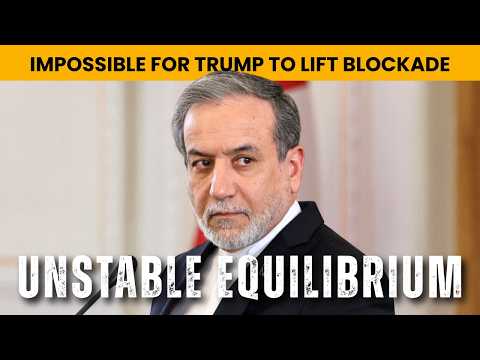
Source material: Sea Blockade Trap: How the US Got Locked Into Iran Conflict
Summary
The conflict with Iran is marked by indecisive military strategies, leaving both sides without a clear path to victory or peace. Iran has established a toll-based blockade in the Strait of Hormuz, while the U.S. blockade has limited effectiveness, allowing many Iranian vessels to continue their operations.
The current situation is described as an unstable equilibrium, where active combat is absent, yet the risk of escalation complicates global economic planning. Despite extensive military actions by the U.S. and Israel, including targeted assassinations, Iran's resolve and strategic position remain largely unchanged.
The U.S. is hesitant to lift the maritime blockade on Iran, fearing it would diminish their military leverage and weaken their stance in the ongoing conflict. Removing the blockade could lead to negotiations similar to a new Joint Comprehensive Plan of Action (JCPOA), which might be more advantageous for Iran than past agreements.
The blockade is viewed as a tool that entrenches the U.S. in a prolonged conflict with Iran, making it difficult to find a diplomatic exit from military involvement. Critics contend that the blockade is ineffective and counterproductive, arguing that its removal could open pathways for diplomatic discussions and contribute to regional stability.
Perspectives
U.S. Strategy
- Maintains the maritime blockade to exert military pressure on Iran
- Fears lifting the blockade would diminish military leverage and weaken U.S. position
Iran's Position
- Utilizes toll-based blockade in the Strait of Hormuz to generate revenue
- Seeks to maintain a strategic position despite U.S. military actions
Neutral / Shared
- Current situation is characterized as an unstable equilibrium
- Both sides lack a coherent strategy for achieving victory or peace
Metrics
2016
year Trump was first elected president
This marks a significant shift in U.S. policy towards Iran
we are abandoning the entire strategy that we have been following towards Iran ever since Trump was first elected president in 2016.
Key entities
Timeline highlights
00:00–05:00
The conflict with Iran is characterized by indecisive military strategies, resulting in an unstable equilibrium where neither side can achieve a clear victory. Despite military actions, Iran's strategic position remains largely unchanged, complicating global economic planning.
- The conflict with Iran is marked by indecisive military strategies, leaving both sides without a clear path to victory or peace
- Iran has established a toll-based blockade in the Strait of Hormuz, while the U.S. blockade has limited effectiveness, allowing many Iranian vessels to continue their operations
- The current situation is described as an unstable equilibrium, where active combat is absent, yet the risk of escalation complicates global economic planning
- Despite extensive military actions by the U.S. and Israel, including targeted assassinations, Irans resolve and strategic position remain largely unchanged
- While Irans economy is under strain, it still generates some revenue from maritime tolls, though this is not enough to mitigate the overall economic impact of the conflict
05:00–10:00
The U.S. is reluctant to lift the maritime blockade on Iran due to concerns over losing military leverage and the potential for a less favorable negotiation outcome.
- The U.S. is hesitant to lift the maritime blockade on Iran, fearing it would diminish their military leverage and weaken their stance in the ongoing conflict
- Removing the blockade could lead to negotiations similar to a new Joint Comprehensive Plan of Action (JCPOA), which might be more advantageous for Iran than past agreements
- The Trump administration might perceive a new deal as a political success, but lifting the blockade without concessions could alienate crucial supporters and contradict established U.S. policy towards Iran
- The blockade is viewed as a tool that entrenches the U.S. in a prolonged conflict with Iran, making it difficult to find a diplomatic exit from military involvement
- Critics contend that the blockade is ineffective and counterproductive, arguing that its removal could open pathways for diplomatic discussions and contribute to regional stability
10:00–15:00
The U.S. is deeply entrenched in a long-term conflict with Iran, primarily due to the ongoing sea blockade aimed at regime change.
- The U.S. is seen as entrenched in a long-term conflict with Iran due to the sea blockade, which is viewed as a strategy aimed at regime change, reminiscent of the situation in Syria
- Maintaining the blockade poses a high-risk strategy that could trigger global economic repercussions, as alternative sources of oil to Iran may emerge, potentially leading to a recession in the U.S. and Western economies
- There are fears that the current unstable situation could escalate tensions, with Iran possibly resuming its nuclear enrichment program in response to perceived losses
- Recent reports indicate that the Trump administration is exploring military options against Iran, including targeted strikes on key locations, which carry significant risks and potential legal implications
15:00–20:00
The U.S. strategy towards Iran is hampered by misconceptions about the internal political dynamics, particularly regarding the IRGC.
- The U.S. approach to Iran, particularly regarding the Islamic Revolutionary Guard Corps (IRGC), is based on a misunderstanding of Irans internal politics, which may lead to ineffective military strategies such as targeted strikes
- The narrative of moderates versus hardliners in Iran is increasingly viewed as misleading, complicating U.S. policy and decision-making
- Previous attempts at decapitation strikes against the IRGC raise doubts about their effectiveness in achieving U.S. goals
- The pursuit of a magic key for regime change in Iran is seen as unrealistic, with each failed effort potentially worsening global economic conditions
- The risk of escalation in the Middle East is significant, especially if U.S. military actions provoke Iranian retaliation against vital infrastructure