Intel / Middle East
Real-time monitoring of security incidents, escalation signals and threat indicators across global hotspots, focusing on rapid alerts and emerging risk developments. Topic: Middle-East. Updated briefs and structured summaries from curated sources.
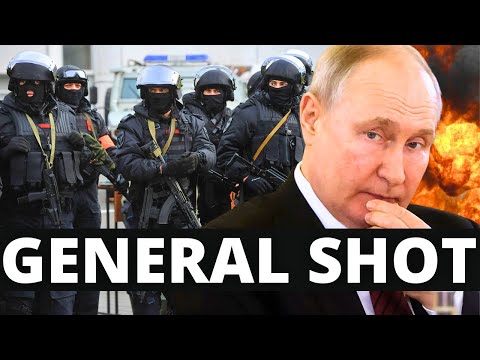
BREAKING: Russian Spetsnaz General SHOT In Moscow; Iran Talks COLLAPSE | The Enforcer News
Summary
Russian General Vladimir Alekseyev is in critical condition following an assassination attempt in Moscow, where he was shot three times. The incident raises serious concerns about security measures at his residence, particularly the absence of working CCTV cameras. Reports indicate that the general was shot in a stairwell of a 25-story building, which lacked an elevator, highlighting potential vulnerabilities in the protection of high-ranking officials.
The Russian oil industry is facing a significant revenue decline, with reports indicating a drop of 50 percent every quarter. This decline threatens the stability of the Russian economy, as the oil sector is crucial for its financial health. The situation in Moscow reflects broader economic challenges, exacerbated by the assassination attempt on General Alekseyev.
Diplomatic talks between the United States and Iran concluded without any agreements, underscoring a lack of trust and good faith negotiations from the Iranian side. Key topics such as nuclear development and missile programs were not addressed, as Iran maintained a hardline stance. The U.S. delegation's departure from the talks indicates a failure to make any progress.
Iran's military posturing, including missile tests and aggressive naval maneuvers, suggests a readiness for conflict despite ongoing negotiations. The presence of Iranian fast attack vessels near the Strait of Ormuz raises concerns about potential threats to international shipping. The U.S. continues to monitor these developments closely.
Perspectives
Report on critical geopolitical events involving Russia and Iran.
U.S. and Allies
- Impose sanctions on Iranian entities to disrupt oil trade
- Engage in diplomatic talks despite lack of progress
- Maintain military presence in the region to deter Iranian aggression
- Highlight the critical condition of Russian General Alekseyev as a security concern
Iran
- Refuse to negotiate on key issues like nuclear enrichment
- Conduct military posturing and missile tests to assert strength
- Attempt to leverage negotiations to buy time without making concessions
- Engage in aggressive actions, such as seizing oil tankers
Neutral / Shared
- Report on the assassination attempt against General Alekseyev
- Discuss the economic challenges facing the Russian oil industry
- Mention the ongoing drone incidents in Poland
Metrics
revenue
393 billion rubles RUB
Russia's oil and gas budget revenues
A significant drop in revenue indicates economic instability.
Russia's oil and gas budget revenues had plummeted by another 50 percent dropping to 393 billion rubles.
military_presence
forty fast attack vessels units
Iranian naval operations near the Strait of Ormuz
This significant number of vessels indicates a potential threat to international shipping.
a large swarm of forty fast attack vessels were conducting operations within international waters of the Strait of Ormuz.
military_presence
two US Navy P.A. Poseidons units
U.S. military assets in the region
Indicates U.S. readiness for potential operations against Iran.
two US Navy P.A. Poseidons are currently present
military_presence
two MC130J Command O2s units
U.S. military assets in the region
Suggests potential for special operations against Iranian targets.
two MC130J Command O2s
military_presence
three KC-135 Strato Tankers units
U.S. military assets in the region
Enables extended air operations, indicating a strategic military posture.
three KC-135 Strato Tankers
other
15 entities
number of entities sanctioned by the U.S.
This indicates a significant escalation in U.S. efforts to counter Iranian oil trade.
the Department of State is sanctioning 15 entities that have traded in Iranian-origin crude oil
other
14 shadow fleet vessels
number of vessels identified as involved in Iranian petroleum transport
Identifying these vessels highlights the extent of Iran's oil transportation network.
the Department of State is identifying 14 shadow fleet vessels as property of entities involved in the transportation of Iranian petroleum
Key entities
Timeline highlights
00:00–05:00
Russian General Vladimir Alekseyev is in critical condition after being shot three times during an assassination attempt. The attack raises concerns about security measures at his residence, particularly the absence of working CCTV cameras.
- Russian General Vladimir Alekseyev is currently in critical condition after being shot in the back three times during an assassination attempt. There is uncertainty surrounding his survival, as reports indicate he is clinging to life in a Moscow hospital. The circumstances of the attack raise questions about the security measures in place at his residence, particularly the lack of working CCTV cameras
- The failure of diplomatic talks between the United States and Iran has led to speculation about the future of negotiations, with the US delegation leaving after Iran refused to compromise on uranium enrichment. Despite this setback, the US has committed to continuing discussions, although it is unclear if any progress can be made. The imposition of sanctions on Iran by the US government adds another layer of complexity to the situation
- There are doubts regarding the living conditions of high-ranking Russian officials, as it appears that General Alekseyev had to navigate a 25-story apartment building without an elevator. This raises questions about the lifestyle of Russian generals and whether they are adequately protected. The assumption that the Ukrainians may have orchestrated the assassination attempt suggests a potential shift in tactics and capabilities in the ongoing conflict
05:00–10:00
The Russian oil industries are experiencing a severe revenue decline, with reports indicating a drop of 50 percent every quarter or month. Diplomatic talks between the United States and Iran ended without agreements, highlighting a lack of trust and good faith negotiations from the Iranian side.
- The Russian oil industries are reportedly suffering significantly, with revenues dropping by 50 percent every quarter or month, leading to concerns that the entire economic structure of the Russian Federation may soon collapse. This situation is expected to create massive shockwaves throughout various industries, both those that support oil and those that do not
- Diplomatic talks between the United States and Iran concluded without any agreements on key topics, including nuclear research and missile development. The Iranians are implied to be unwilling to engage in good faith negotiations, as they have shown a pattern of stonewalling and have conducted aggressive actions, such as seizing oil tankers, to gain leverage
- Abbas Rakhshi, the Iranian Foreign Minister, indicated that while the talks may continue, there is a lack of trust and no substantial agreements are anticipated. The ongoing discussions are seen as a means for Iran to buy time rather than to reach any meaningful resolutions, raising doubts about the effectiveness of future negotiations
10:00–15:00
The United States is engaged in ongoing negotiations with Iran, but the lack of progress raises concerns about the effectiveness of these talks. Meanwhile, a significant presence of Iranian fast attack vessels near the Strait of Ormuz suggests potential aggressive actions that could impact international shipping.
- There is speculation that the United States may be either buying time to move forces into the area or genuinely attempting to negotiate with the Islamic Republic of Iran to avoid military action. The uncertainty surrounding the talks suggests that the U.S. may be caught in a trap of endless negotiations without any real progress
- The report mentions a large swarm of fast attack vessels operating near the Strait of Ormuz, raising doubts about Irans intentions and whether this could lead to seizing oil tankers for leverage against the United States. Additionally, there is uncertainty regarding the potential for strikes against Iran, as the U.S. has significant military presence in the area but the nature of their intentions remains unclear
15:00–20:00
The British are positioning Royal Air Force assets in response to a high likelihood of conflict in the region, particularly due to Iranian military posturing. Iran's missile tests and refusal to negotiate on enrichment capabilities indicate a commitment to developing weapons-grade uranium, complicating future diplomatic efforts.
- The British are reportedly expecting a high chance of conflict in the region, prompting them to position Royal Air Force assets for a common defense. This indicates a belief that the situation remains volatile, particularly with Iranian posturing suggesting potential strikes against U.S. allies. The ongoing missile tests by Iran further reinforce this perception of imminent threats
- There is speculation that Iran is preparing for possible military strikes due to their belief that negotiations with the United States are in bad faith. The assertion that Iran is unwilling to negotiate on their enrichment capabilities implies a strong commitment to developing weapons-grade enriched uranium. This raises questions about the stability of any future negotiations and the potential for U.S. military responses
- The Syrian interim governments efforts to integrate Syrian Democratic Forces into its structure are met with skepticism regarding their success. There are doubts about how former SDF members will be treated under Jalanis regime, particularly given their differing ideological backgrounds. The situation is further complicated by the potential for increased tensions and conflict as these groups attempt to merge
20:00–25:00
The U.S. Department of State is sanctioning 15 entities involved in the trade of Iranian-origin crude oil, reflecting a strategy to disrupt Iran's primary income source.
- The Department of State is sanctioning 15 entities involved in the trade of Iranian-origin crude oil and related products, indicating a continued U.S. effort to disrupt the Iranian regimes primary source of income. This action reflects a pattern of prioritizing sanctions over diplomatic negotiations, although the U.S. remains open to future talks with Iran