Intel / Middle East
Real-time monitoring of security incidents, escalation signals and threat indicators across global hotspots, focusing on rapid alerts and emerging risk developments. Topic: Middle-East. Updated briefs and structured summaries from curated sources.

US search and rescue mission to find pilot after jet comes down in Iran
Summary
A U.S. fighter jet has reportedly been downed in Iran, prompting a search and rescue operation. Iranian media claims the jet was shot down, and a reward has been offered for the capture of the pilot. Reports indicate that one crew member has been rescued, while concerns grow for the fate of the other.
Tensions escalate as Iran continues military actions beyond its borders, including strikes on a refinery in Kuwait. President Trump has shifted his rhetoric, appealing for cooperation while also threatening further military action if Iran does not comply with U.S. demands.
The situation complicates Trump's political landscape as he faces pressure to focus on domestic issues amid a crucial election year. His administration is pushing for a significant increase in defense spending, which raises questions about priorities and public sentiment.
Concerns about the missing crew member heighten, with implications for U.S.-Iran relations. Experts warn that the potential capture of the pilot could lead to a major media event and provoke a strong military response from the U.S.
Perspectives
short
U.S. Government
- Advocates for a $1.5 trillion defense budget increase
- Claims to be winning the war despite recent setbacks
- Seeks to rescue the missing crew member while managing public perception
Iran
- Claims victory by downing a U.S. fighter jet
- Offers rewards for capturing U.S. pilots
- Continues military operations against U.S. interests in the region
Neutral / Shared
- Raises concerns about the humanitarian impact of military actions
- Questions the adherence to international law by all parties involved
Metrics
reward
more than 50,000 pounds GBP
reward for capturing the pilot
This financial incentive could motivate individuals to capture U.S. personnel.
offering a reward equivalent to more than 50,000 pounds for the capture of the pilot or pilots.
oil_traffic
at least four million barrels units
oil traffic through the Strait of Hormuz
Increased oil traffic indicates Iran's economic leverage amidst conflict.
yesterday's traffic, surged to at least four million barrels a fifth of the pre-war volume.
casualties
eight people and injured dozens of civilians people
casualties from a U.S. strike
Civilian casualties can escalate tensions and provoke further conflict.
that Iran said killed eight people and injured dozens of civilians.
Key entities
Timeline highlights
00:00–05:00
A U.S. fighter jet has reportedly been downed, prompting a search and rescue operation.
- Iranian media reported that a U.S. fighter jet was downed, leading to a search and rescue operation with helicopters and military aircraft involved
- The Iranian government is offering a significant reward for the captured pilot, which could escalate tensions and hinder diplomatic negotiations
- One crew member has reportedly been rescued, but uncertainty about the other crew members fate poses risks for U.S. operations
- Irans military actions, including recent strikes on a refinery in Kuwait, seem to be retaliatory measures against U.S. activities
- Former Iranian Foreign Minister Mohammad Javad Zarif suggested a deal to limit Irans nuclear program in exchange for sanctions relief, but the downing of the U.S. jet complicates this context
- The White House has not commented on the downed jet, despite President Trumps previous assertions of U.S. success in the region
05:00–10:00
President Trump is advocating for a $1.5 trillion defense budget, representing a 40% increase from the previous year, amid concerns about the ongoing war. The situation surrounding the missing crew member from a downed jet raises significant concerns about their fate and the potential for escalating tensions with Iran.
- President Trump is pushing for a significant increase in defense spending, requesting a $1.5 trillion budget, which is a 40% rise from the previous year. This move comes amid concerns about the ongoing war and its unpopularity among voters
- The recent firing of high-ranking military officials, including the Army Chief of Staff, signals a shift in Trumps approach to leadership and loyalty within the Republican Party. This could impact his ability to navigate the upcoming primaries and maintain party support
- The uncertainty surrounding the missing crew member from the downed jet raises serious concerns about their fate, including the possibility of capture by Iranian forces. This situation could escalate tensions and complicate U.S
- Retired Colonel Keith Nightingale warns that the rescue of one pilot but not the other suggests potential dire circumstances for the missing crew member. The implications of their capture could lead to significant media attention and political fallout
- International law is being questioned as military leaders advocate for aggressive actions against Iran, undermining humanitarian principles. This disregard for legal norms could exacerbate the conflict and lead to further violations by all parties involved
- The current conflict reflects a broader failure of leadership, with leaders prioritizing ideological battles over the welfare of their citizens. This dynamic threatens to escalate violence and diminish prospects for peace in the region
10:00–15:00
The ongoing conflict raises serious concerns about the differentiation between combatants and civilians, exacerbating the humanitarian crisis. Professor Pyaam Akavan argues that current military actions violate international humanitarian law, undermining U.S.
- The ongoing conflict highlights a troubling disregard for the distinction between combatants and civilians. This lack of differentiation exacerbates the humanitarian crisis and complicates the rules of engagement
- Professor Pyaam Akavan emphasizes that the current military actions are not aligned with international humanitarian law. Such violations undermine the credibility of the U.S
- The rhetoric from U.S. leaders about extreme military responses signals a dangerous escalation
- Akavan warns that the decline of international law is accelerating due to the actions of both the U.S. and Iran
- The expectation that captured U.S. crew members will be treated according to the Geneva Conventions is critical
- The conversation around humanizing warfare is increasingly urgent as the conflict continues. Without a commitment to ethical conduct, the cycle of violence is likely to perpetuate, affecting countless lives

The Wire - April 2, 2026
Summary
On April 2, 2026, significant military actions occurred in the Middle East as the United States targeted critical infrastructure in Iran. The U.S. military's deliberate attacks included the destruction of the B-1 bridge near Tehran, which was under construction and intended to be a major transportation link. Analysts predict Iranian retaliation against U.S. interests in the region, particularly targeting bridges in the Persian Gulf.
In Iraq, the security situation has deteriorated, prompting the U.S. State Department to issue a travel alert due to escalating violence and the kidnapping of an American journalist. The potential for an insurgent uprising looms as various militia groups mobilize against U.S. forces, marking a critical point in the ongoing conflict.
India resumed purchasing crude oil from Iran after a hiatus due to U.S. sanctions, with the first oil tanker arriving in Vajanar. This resumption follows weeks of petroleum disruptions in India, highlighting the shifting dynamics of international oil trade amid the ongoing conflict.
Domestically, the Colonial Pipeline in Georgia experienced a brief shutdown due to damage during drilling operations, raising concerns about gasoline supply to the East Coast. Although the pipeline was quickly restored, the timing before a major holiday weekend exacerbated worries about fuel availability.
Perspectives
summary of military and domestic events
U.S. Military Actions
- Targets critical infrastructure in Iran to deter further aggression
- Destroys the B-1 bridge, a significant military and logistical asset
- Issues travel alerts in response to escalating violence in Iraq
- Deploys additional military resources to the Middle East, indicating ongoing operations
Iranian Response
- Demonstrates capability to strike critical infrastructure, such as bridges
- Mobilizes militia groups in Iraq against U.S. forces
Neutral / Shared
- Colonial Pipeline shutdown raises concerns about gasoline supply
- India resumes oil purchases from Iran, indicating changing trade dynamics
Metrics
other
the largest gasoline pipeline network in the United States
Colonial Pipeline's significance
Its operational status is crucial for East Coast gasoline supply.
this is still a big deal. This is the largest gasoline pipeline network in the United States
other
the first oil tanker arrived in Vajanar overnight
India's resumption of oil imports from Iran
This marks a significant shift in India's energy sourcing amid sanctions.
the first oil tanker arrived in Vajanar overnight, completing India's resumption of purchasing crude oil from Iran
other
the conflict will last two to three more weeks
President Trump's statement on military operations
This indicates a prolonged military engagement without a clear resolution.
President Trump stated that the conflict will last two to three more weeks
Key entities
Timeline highlights
00:00–05:00
The Colonial Pipeline experienced a brief shutdown in Georgia, raising concerns about gasoline supply to the East Coast. The U.S.
- The Colonial Pipeline faced a temporary shutdown in Georgia, raising concerns about gasoline supply to the East Coast during a busy holiday weekend
- The U.S. has escalated military actions in the Middle East, focusing on Iranian infrastructure amid ongoing assaults on American bases
- A travel alert was issued by the U.S. State Department for Iraq due to rising violence, particularly after an American journalist was kidnapped
- India has resumed crude oil imports from Iran after a pause caused by U.S. sanctions, with the first shipment arriving recently
- Recent leadership changes in Washington, including the departure of Attorney General Pam Bondi and the retirement of Army Chief of Staff General Randy George, may influence U.S. military and policy strategies
- Despite President Trumps announcement of continued military operations, no clear exit strategy was outlined, indicating that the conflict is likely to intensify
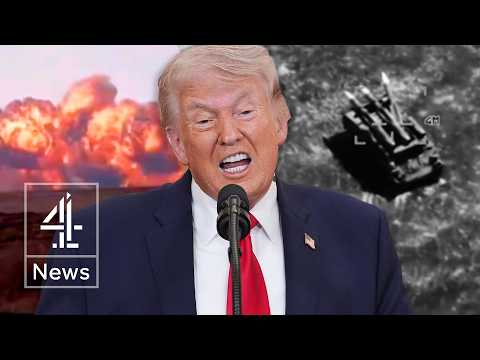
Trump celebrates as US bombs bridges across Iran
Summary
Iran asserts its determination to resist a potential U.S. ground operation, emphasizing its commitment to countering U.S. threats. The Iranian President's message to the American public reflects a broader narrative of defiance against U.S. military actions. Concurrently, President Trump outlines aggressive military strategies aimed at crippling Iran's economy, threatening extensive damage to its infrastructure.
Trump's address attempts to reclaim the narrative surrounding the conflict, yet rising oil prices indicate ongoing instability and uncertainty. Critics highlight the lack of clear objectives and the potential for escalating tensions, questioning the effectiveness of Trump's unilateral approach to foreign policy. The conflict has inadvertently strengthened hardline elements within Iran, complicating the prospect of regime change.
The military actions have primarily targeted Iran's military capabilities, raising concerns about its control over strategic areas like the Strait of Hormuz. Observers note that the ongoing conflict is increasingly viewed as a war of choice, with significant implications for global stability and economic security. The failure to consult allies and communicate objectives may exacerbate tensions and prolong the conflict.
Perspectives
Analysis of the U.S.-Iran conflict and its implications.
Pro-Trump
- Claims U.S. military actions are necessary to counter Iranian aggression
- Argues that the conflict will ultimately lead to regime change in Iran
- Highlights the need for decisive action to secure U.S. interests in the region
- Poses that military strikes will weaken Irans capabilities significantly
- Emphasizes the importance of maintaining control over the Strait of Hormuz
Anti-Trump
- Questions the effectiveness of Trumps military strategy and its long-term implications
- Critiques the lack of clear communication regarding U.S. objectives in the conflict
- Highlights the potential for increased regional instability and economic repercussions
- Denounces the unilateral approach as detrimental to U.S. alliances and global standing
Neutral / Shared
- Notes rising oil prices as a consequence of the ongoing conflict
- Observes the impact of military actions on Irans military infrastructure
- Mentions the potential for a humanitarian crisis amid escalating tensions
Metrics
loss
45,000 people
number of Iranians killed by their regime
This figure highlights the severe human cost of the regime's actions.
murderousness of a regime that killed, he said, 45,000 of its own people.
tariff
$2 million USD
tolls paid by ships for safe passage
High tolls indicate the economic stakes involved in maritime operations.
Some ships reportedly changing their flags, paying tolls of up to $2 million.
gas prices
$6 per gallon USD
current average gas price
High gas prices can impact public sentiment and economic stability.
$6 per gallon.
duration of military operation
32 days
length of current military operation
Short military engagements can lead to questions about long-term strategy.
we are in this military operation, so powerful, so brilliant against one of the most powerful countries for 32 days.
years of regime entrenchment
47 years
duration of Iranian regime's power
Long-standing regimes are often resilient against external pressures.
it's had 47 years to entrench itself.
Key entities
Timeline highlights
00:00–05:00
Iran is asserting its determination to resist a potential U.S. ground operation, as indicated by its President's message to the American public.
- Iran is demonstrating its resolve against a possible U.S. ground operation, as indicated by a message from its President directed at the American audience
- President Trump has proposed major military strikes against Iran, threatening severe damage to its economy and infrastructure, which could escalate the conflict and impact the Iranian population
- Despite Trumps assertion of a weakened Iran, the country continues missile attacks on Israel and Gulf neighbors, challenging the narrative of a diminished military and contributing to regional instability
- Negotiations are underway in the Strait of Hormuz for protocols to ensure safe passage of ships, signaling a potential change in maritime operations that could influence global oil supply and trade routes
- Emmanuel Macron has criticized Trumps inconsistent military messaging, indicating a lack of strategic coherence that may lead to diplomatic tensions among allies and complicate international responses
- The ongoing violence, including missile strikes from Iran and its allies, is heightening tensions in the region, with risks of further military conflict and humanitarian crises
05:00–10:00
President Trump addressed the nation regarding the conflict with Iran, attempting to reclaim the narrative and assert his leadership. Despite claims of nearing the end of Iran's threat, rising oil prices indicate ongoing instability.
- President Trump interrupted a popular television show to address the nation about the conflict with Iran, framing it as a pivotal moment in combating Iranian aggression. This highlights his desire to reclaim the narrative surrounding the war and assert his leadership
- Despite Trumps claims of nearing the end of Irans threat, the rising oil prices indicate that the situation remains precarious and uncertain. This suggests that his message may not have reassured the public or the markets
- The administrations approach has shifted from a clear goal of regime change to a more chaotic military strategy, resulting in a more hardline Iranian regime. This raises concerns about the effectiveness of U.S
- Trumps unilateral decision-making style has sidelined traditional governance structures, leading to frustration among analysts and lawmakers. This could undermine the checks and balances essential for effective governance
- With rising gas prices and declining approval ratings, Trump is under pressure to address economic concerns while managing the conflict. His assertion that the Strait of Hormuz is not Americas responsibility reflects a significant shift in U.S
- Ambassador John Bolton suggests that the current military actions may be creating conditions for potential regime change in Iran. However, the lack of clear communication about the objectives risks missing opportunities for diplomatic success
10:00–15:00
The military actions in Iran have primarily targeted its military capabilities, raising concerns about its control over strategic areas like the Strait of Hormuz. The ongoing conflict is increasingly viewed as a war of choice, with significant implications for global stability and economic security.
- The ongoing military actions in Iran have led to significant destruction of its military capabilities, but the focus has largely been on Iran rather than its regional adversaries. This imbalance raises concerns about Irans ability to recover and maintain control over critical areas like the Strait of Hormuz
- Trumps administration faces criticism for not adequately addressing the implications of closing the Strait of Hormuz, which could lead to a global oil crisis. The potential for rising oil prices could have catastrophic effects on economies worldwide, making it a strategic error to overlook this issue
- The rift between the United States and Europe is deepening due to Trumps unilateral approach to the conflict. By failing to consult European allies, the U.S
- Irans actions, including missile attacks on Israel and Gulf states, highlight the ongoing threat it poses despite U.S. military efforts
- The conflict in Iran is increasingly viewed as a war of choice, with significant consequences for global stability. The lack of a clear strategy and consultation with allies may lead to long-term repercussions for U.S
- The situation underscores the importance of international cooperation in addressing threats posed by Iran and its proxies. Without a unified approach, the risks to global security and economic stability will continue to escalate

Economic meltdown, everyone will be hit w/ Alex at Reporterfy
Summary
The ongoing conflict in the Middle East is significantly impacting global markets, leading to rising gas prices and import tariffs that strain average Americans. Disappointment in U.S. leadership and market responses has created a sense of uncertainty among investors and consumers alike.
The current economic situation is affecting everyone, emphasizing the interconnectedness of the global economy. The derivatives market, significantly larger than global GDP, plays a crucial role in exacerbating economic challenges for individuals.
Iran's recognition of market manipulation has led to volatility in stock markets, particularly influenced by major banks controlling derivatives and options. Predictions indicate that Britain may soon face inflation rates of 10%, which could destabilize financial markets and burden consumers.
The U.S. administration's strategy to control oil prices is flawed, leading to unintended consequences that may exacerbate inflation. If oil prices reach $150, it could trigger a systemic crisis, exacerbating existing economic vulnerabilities.
Perspectives
Analysis of economic impacts and geopolitical dynamics.
Proponents of market manipulation awareness
- Warns about the impact of rising gas prices on average Americans
- Highlights the significance of the derivatives market in economic instability
- Claims that Iran is aware of market manipulation and is responding strategically
Critics of U.S. economic policies
- Accuses the U.S. administration of failing to provide a clear economic plan
- Questions the effectiveness of current diplomatic strategies in resolving conflicts
- Denies that market manipulation can continue indefinitely without consequences
- Rejects the notion that increasing oil supply will stabilize prices
- Counters that rising oil prices will have widespread negative effects on the economy
Neutral / Shared
- Notes the interconnectedness of global economies and the potential for widespread impact
- Acknowledges the complexity of geopolitical dynamics in economic discussions
Metrics
tariff
$2,3, $400, $500 USD
additional funds needed for basic needs due to rising costs
This highlights the financial strain on average Americans.
where am I going to come up with this extra $2,3, $400, $500 to help fill up the car?
market_size
$900 trillion USD
size of the derivatives market
This indicates the scale of potential economic manipulation.
the derivatives market is a $900 trillion beast
trading_volume
$580 million USD
cash moved in about 60 seconds
Such rapid trading can lead to volatility and market manipulation.
That's a $580 million that has moved in about 60 seconds.
profit
$800 million USD
potential profit from market manipulation
This highlights the scale of financial gains achievable through unethical practices.
Oh, you made $800 million on this.
inflation
10%
predicted inflation rate in Britain
High inflation could lead to increased interest rates and economic instability.
in Britain, we're going to have 10% inflation over the next few weeks.
oil_price
$150 USD
predicted oil price if conflicts continue
Such a price increase would significantly impact consumer costs.
we will start to tread towards $150 a barrel.
inflation
20%
predicted inflation rate due to oil supply issues
A significant rise in inflation could severely impact consumer purchasing power.
that 400 million barrels of oil is going to run out in 20 days. And that brings us up to the first week in April here.
additional_expenses
$16,000 USD
extra annual expenses for average Americans if oil prices rise
This increase will affect not only fuel costs but also prices for groceries and logistics.
that's an extra 16 to $18,000 a year that they got to find.
Key entities
Timeline highlights
00:00–05:00
The ongoing conflict in the Middle East is significantly impacting global markets, leading to rising gas prices and import tariffs that strain average Americans. Disappointment in U.S.
- The ongoing conflict in the Middle East is creating significant turmoil in global markets, raising concerns among both investors and the public
- Disappointment has arisen in London following recent comments from the U.S. President, as many anticipated a clearer resolution to the conflict
- Rising gas prices and import tariffs are placing financial strain on average Americans, forcing them to seek additional funds for basic needs, which is not sustainable
- Efforts by the current administration to instill market confidence have been met with doubt, as temporary market gains have quickly diminished, indicating unresolved issues in the financial system
- The $900 trillion derivatives market operates around the clock and is vulnerable to manipulation, posing a serious risk to economic stability
- There is a belief that U.S. political factions prioritize their own narratives over addressing the pressing economic challenges facing the nation
05:00–10:00
The current economic situation is affecting everyone, emphasizing the interconnectedness of the global economy. The derivatives market, significantly larger than global GDP, plays a crucial role in exacerbating economic challenges for individuals.
- The current economic situation will impact everyone, highlighting the global economys interconnectedness and the inevitability of widespread repercussions
- The derivatives market, which far exceeds global GDP, plays a crucial role in financial dynamics and can worsen economic challenges for everyday individuals
- The U.S. stock market is unlikely to be forgiving towards the president amid ongoing geopolitical tensions
- Financial market manipulation can persist until it triggers a major crisis, raising alarms about the sustainability of current practices and the risk of future economic disasters
- High-frequency trading and pre-market activities enable certain investors to gain advantages over average individuals, creating an uneven market landscape
- Regulatory agencies like the SEC face challenges in enforcing accountability, allowing unethical practices to continue without significant repercussions
10:00–15:00
Iran's recognition of market manipulation has led to volatility in stock markets, particularly influenced by major banks controlling derivatives and options. Predictions indicate that Britain may soon face inflation rates of 10%, which could destabilize financial markets and burden consumers.
- Irans recognition of market manipulation has led them to short stocks, causing volatility as their denials trigger significant market declines
- The derivatives and options markets are largely controlled by major banks, leaving the public in the dark and fostering a perception of a rigged system, though public education could help balance this disparity
- Britain is predicted to face inflation rates of 10% soon, which may be conservative, potentially resulting in higher interest rates and supply shortages
- Escalating inflation and shortages could destabilize financial markets, creating a disconnect between the economy and market performance that may adversely affect everyday people
- An end to ongoing conflicts could improve economic stability, but continued tensions might drive oil prices to $150 a barrel, significantly burdening consumers
- The economic situation in Cuba illustrates the potential for collapse due to resource shortages, serving as a warning of the consequences if essential supplies run out
15:00–20:00
The U.S. administration's strategy to control oil prices is flawed, leading to unintended consequences that may exacerbate inflation.
- The U.S. administrations oil supply strategy is flawed, as efforts to control prices have led to unintended consequences
- Restricting Iranian oil exports could push global inflation to 20%. This would exacerbate financial pressures on consumers already facing rising costs
- Increasing interest rates may worsen financial difficulties for households already burdened by debt. This combination of inflation and higher borrowing costs could severely impact consumer spending
- The current economic recovery is fragile, and any spike in oil prices could trigger a broader economic collapse. This precarious situation underscores the need for stable energy prices
- If oil prices reach $150 a barrel, average Americans will see a significant rise in living expenses. This increase will affect not only fuel costs but also prices for groceries and logistics
20:00–25:00
The discussion highlights the potential for rising oil prices to significantly impact the economy, with predictions of a crisis reminiscent of 2008. Concerns are raised about the interconnectedness of oil prices and consumer costs, suggesting that sustained increases could lead to widespread economic distress.
- The segment primarily focuses on promotional content, including links to various media channels, merchandise shops, and donation platforms
25:00–30:00
China's proposal for peace in the Middle East emphasizes an immediate ceasefire and humanitarian considerations but fails to address critical issues like uranium enrichment. The involvement of China is driven by its economic interests and the need for regional stability, particularly in relation to its trade and investments.
- Chinas recent proposal lacks authenticity as a peace initiative, primarily aiming to pause hostilities and promote dialogue without addressing key issues like uranium enrichment
- Wang Yis diplomatic approach stands in stark contrast to the often confrontational stance of U.S. foreign policy
- The proposal advocates for an immediate ceasefire and highlights the need for humanitarian considerations, emphasizing the protection of civilians affected by the conflict
- Chinas economic interests and large population drive its involvement, as regional stability in the Middle East is crucial for its trade and investments
- The estimated billions needed for reconstruction in Iran present a chance for those responsible for the destruction to benefit from rebuilding efforts, complicating international relations
- Pakistans diplomatic outreach to China and Iran indicates a strategic effort to enhance regional cooperation, potentially benefiting all involved parties and altering Middle Eastern diplomatic dynamics

Video Analysis Shows Two Waves of Bombings in Iran Elementary School Strike
Summary
On February 28th, military strikes in Minab, Iran, resulted in the deaths of at least 175 individuals, primarily children, at an elementary school. footage revealed that an American Tomahawk missile struck near the school, indicating the involvement of US weaponry in the conflict. Analysis of the footage suggests that there were two distinct waves of strikes on the area.
The investigation utilized solar analysis techniques to determine the timing of the videos, revealing discrepancies in the timing of the explosions. The first wave of strikes likely impacted the school, while subsequent footage showed additional strikes in the vicinity. The analysis confirmed that the missiles used were consistent with US-made Tomahawk missiles.
Efforts to obtain further information from Iranian and US officials regarding the strikes have not yielded responses. This lack of communication raises concerns about transparency and complicity in the investigation of the attacks. The findings underscore the need for accountability in military actions that affect civilian populations.
Perspectives
short
Proponents of US Accountability
- Highlights the use of US-made Tomahawk missiles in the strikes
- Argues that the strikes resulted in significant civilian casualties, primarily children
- Questions the lack of response from US Central Command regarding the investigation
Defenders of Military Actions
- Claims that the investigation is ongoing and details are still being assessed
- Denies direct responsibility for the civilian casualties without further evidence
Neutral / Shared
- Notes the use of solar analysis to determine the timing of the videos
- Acknowledges the release of multiple videos showing the strikes
Metrics
casualties
at least 175 individuals
total deaths from the strikes
This highlights the severe impact of military actions on civilian populations.
Iranian media reports that at least 175 people were killed in the attacks, mostly children.
missiles_used
US-made Tomahawk missiles
type of weapon believed to be used in the strikes
Indicates the involvement of US military technology in the conflict.
the shape, length and characteristic wings all match that of a US Tomahawk missile.
Key entities
Timeline highlights
00:00–05:00
On February 28th, military strikes in Minab, Iran, resulted in the deaths of at least 175 individuals, primarily children, at an elementary school. The strikes, believed to involve US-made Tomahawk missiles, have raised significant concerns regarding the United States' involvement in the conflict.
- On February 28th, military actions targeting a naval base in Minab, Iran, resulted in the deaths of at least 175 individuals, primarily children, at an elementary school
- Video analysis shows two separate waves of strikes, indicating a more intricate military operation than previously thought
- The strikes are believed to have been executed using US-made Tomahawk missiles, raising concerns about the United States role in the conflict
- Shadow analysis of the videos established that the third video was recorded before the others, helping to clarify the timeline of the attacks
- Footage from social media indicates that the elementary school was affected during the initial wave of strikes, which is crucial for understanding the damage to civilian areas
- Inquiries to Irans Ministry of Foreign Affairs and US Central Command about the attacks received no response from Iran, highlighting the complexities of the situation

The Wire - April 1, 2026
Summary
Increased U.S. military assets are being deployed to the Middle East as tensions rise due to ongoing Iranian attacks on commercial shipping. Recent observations indicate a significant movement of ground attack aircraft and support units to the region, highlighting the urgency of the situation.
Iranian forces have intensified their strikes, targeting merchant vessels and critical infrastructure in Bahrain and Kuwait. These actions underscore the escalating conflict and the potential for broader military engagement involving multiple nations.
Australia has initiated stage two of its national fuel security plan in response to rising energy prices exacerbated by the conflict. This plan includes tax reductions on fuel to alleviate the economic impact on citizens.
Analysts note that the potential for expanded American combat operations is increasing, with indications of international involvement from various factions, including Chechen forces and Russian military actions against Ukrainian advisors.
Perspectives
summary of military operations and geopolitical implications
U.S. Military Strategy
- Increases military presence to deter Iranian aggression
- Deploys ground attack aircraft to enhance operational capabilities
- Focuses on strategic planning for potential global involvement
Iranian Aggression
- Targets commercial shipping and critical infrastructure
- Escalates military actions against U.S. allies in the region
- Utilizes proxy forces to challenge U.S. operations
Neutral / Shared
- Australia implements fuel security measures in response to the crisis
- Chechen forces announce readiness to deploy, indicating broader conflict dynamics
- Russian claims of targeting Ukrainian advisors highlight international stakes
Metrics
deliveries
18, 8, 10 thunderbolt or award-hawg aircraft units
total military aircraft observed moving to the Middle East
This indicates a significant increase in U.S. military readiness in the region.
A total of 18, 8, 10 thunderbolt or award-hawg aircraft were observed at RAF Lagon Heath
attacks
two projectiles off the coast of Qatar units
Iranian attacks on commercial shipping
This highlights the ongoing threat to maritime security in the Persian Gulf.
the merchant tanker Aqua-1, it was struck by two projectiles off the coast of Qatar
attacks
fuel tanks at Kuwait International Airport were also hit units
Iranian attacks on infrastructure
This attack underscores the vulnerability of critical infrastructure in the region.
Fuel tanks at Kuwait International Airport were also hit again this morning
Key entities
Timeline highlights
00:00–05:00
The U.S. is increasing its military presence in the Middle East amid ongoing Iranian attacks on commercial shipping, raising regional tensions.
- The U.S. is ramping up its military presence in the Middle East, indicating a possible increase in combat operations
- Irans ongoing attacks on commercial shipping in the Persian Gulf are heightening maritime security risks and regional tensions
- Australia has implemented stage two of its national fuel security plan due to a worsening energy crisis and rising fuel prices
- President Trump will address the nation about the war in Iran, joining leaders from Australia and the UK in a coordinated response to the conflict
- The involvement of Chechen forces and reports of Russian actions against Ukrainian advisors reveal the international dimensions of the conflict
- As the situation develops, U.S. adversaries may take advantage of any operational missteps, complicating American strategic planning
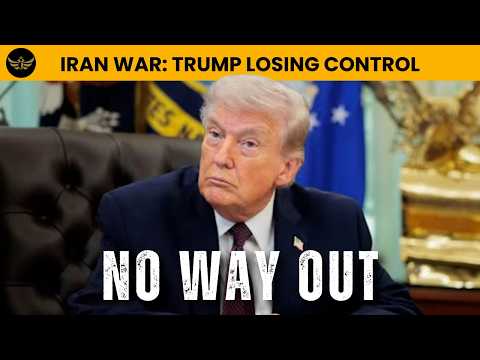
Trump Iran War Dilemma: Escalate, Walk Away, or Concede?
Summary
Trump is contemplating a withdrawal from military involvement in Iran while also considering a ground invasion to dismantle Iranian military capabilities. The situation is complicated by a lack of evidence for diplomatic progress and escalating tensions. The U.S. is considering military raids into Iran to regain control over territorial assets, but this strategy is fraught with risks and doubts about its effectiveness.
The Trump administration's decision-making process regarding military actions has been chaotic, lacking proper legal consultation and oversight. This raises concerns about the potential for illegal orders and the implications for military integrity and operational effectiveness. Military leaders are facing orders that may violate international law, creating ethical dilemmas for soldiers. The president's reliance on brief summaries instead of thorough briefings raises concerns about his understanding of military complexities.
Perspectives
LLM output invalid; stored Stage4 blocks + metrics only.
Metrics
military_objectives
destroy the Navy, destroy the Army, destroy the launchers
Trump's military objectives in Iran
These objectives highlight the aggressive military stance being considered.
complete the objectives that Rubio actually outlined yesterday, which are basically military objectives, destroy the Navy, destroy the Army, destroy the launchers
timeframe
in the next two weeks
Timeline for achieving military objectives
This short timeframe indicates urgency and potential for hasty decisions.
accomplish these goals in the next two weeks
ground_invasion
preparing for a ground invasion into Iran
Trump's military strategy
This preparation suggests a significant escalation in military involvement.
Trump is preparing for a ground invasion into Iran to extract the uranium
escalation
the conflict continuing to intensify
Current state of the conflict
Ongoing escalation raises the stakes for all parties involved.
the actual war that is happening and the information around the war, which is continued escalation and the conflict continuing to intensify
other
47 years
duration of U.S.-Iranian tensions
This long history complicates any potential negotiations.
for the history of bad relations and the various things that the Iranians either did or were supposed to have done over 47 years.
other
two or three times a week meetings
frequency of meetings between military personnel and the president
Regular meetings are crucial for informed decision-making in armed conflict.
we owe it to the men that we command to meet with him regularly, at least two or three times a week
financial_aid
another hundred billion dollars or two hundred billion dollars USD
financial aid expected by Trump from Gulf states
This reflects the financial leverage and expectations in U.S.-Gulf relations.
What you need to do is to give me another hundred billion dollars or two hundred billion dollars.
control
the Iranians could make billions out of this long term USD
potential revenue from control over the Strait of Hormuz
This highlights the economic stakes involved in the geopolitical conflict.
The Iranians could make billions out of this long term.
Key entities
Timeline highlights
00:00–05:00
Trump is contemplating a withdrawal from military involvement in Iran while also considering a ground invasion to dismantle Iranian military capabilities. The situation is complicated by a lack of evidence for diplomatic progress and escalating tensions.
- Trumps recent comments suggest he may be considering a withdrawal from military involvement in Iran, reflecting his frustration with the situations lack of control
- Reports indicate Trump is weighing a ground invasion to dismantle Iranian military capabilities, but this strategy poses significant risks and potential fallout
- Despite Trumps assertions of engaging with a more reasonable Iranian government, there is no evidence of diplomatic progress, casting doubt on the feasibility of negotiations
- Trumps threats to target Irans energy infrastructure have not influenced Iranian leaders, raising concerns about the effectiveness of his aggressive stance
- The conflict appears to be escalating beyond Trumps management, with Iran showing little willingness to negotiate, complicating his policy options
- Experts caution that attempts to capture strategic sites like Harg Island could be perilous and may not achieve intended results, heightening the risk of regional escalation
05:00–10:00
The U.S. is considering military raids into Iran to regain control over territorial assets, but this strategy is fraught with risks and doubts about its effectiveness.
- The U.S. aims to regain control in the conflict by targeting territorial assets, particularly islands, but this approach carries significant risks and uncertain rewards
- There are plans for military raids into Iran, yet doubts persist about the viability of extracting uranium, raising fears of escalating military actions
- Trumps potential withdrawal from the conflict could harm his credibility, complicating future negotiations and perceptions of failure
- Irans leadership is unlikely to negotiate with Trump, viewing U.S. diplomacy as historically duplicitous
- Trumps threats against Irans energy infrastructure may be seen as punitive, raising concerns about potential war crime implications
- The Pentagon faces legal challenges regarding orders that could be classified as war crimes, emphasizing the accountability of military personnel in conflict situations
10:00–15:00
The Trump administration's decision-making process regarding military actions has been chaotic, lacking proper legal consultation and oversight. This raises concerns about the potential for illegal orders and the implications for military integrity and operational effectiveness.
- Warfare ethics prohibit war crimes, raising questions about whether military leaders will challenge illegal orders from the President
- The Trump administrations chaotic decision-making has resulted in inadequate legal consultation for military actions, potentially leading to serious legal consequences
- Trumps unvetted social media posts regarding military actions represent a significant oversight, posing risks for U.S. operations
- The legal distinction between labeling military actions as operations versus war has implications for Congressional authorization and reflects an understanding of military engagement laws
- Military officers face an unprecedented dilemma in disobeying orders from the Commander in Chief, highlighting challenges to military integrity amid potentially unlawful directives
- Confusion over military terminology and strategy can hinder operational effectiveness, making clear communication vital for maintaining military function and public trust
15:00–20:00
Military leaders are facing orders that may violate international law, creating ethical dilemmas for soldiers. The president's reliance on brief video summaries instead of thorough briefings raises concerns about his understanding of military complexities.
- Military leaders are grappling with orders that may breach international law, creating a moral dilemma for soldiers trained to follow the laws of war
- The presidents reliance on brief video summaries instead of comprehensive briefings raises concerns about his understanding of military complexities, undermining effective decision-making
- Regular meetings between military personnel and the president are crucial for ensuring he is informed about the realities of armed conflict, which is vital for sound decision-making
- The current command structure is criticized for limiting military leaders autonomy, which could enhance strategy if the president does not engage directly with advisors
- There are doubts about the presidents grasp of the situation, leading to fears of mismanagement in military operations
- Some government factions may exploit the presidents shortcomings to undermine him, potentially harming U.S. geopolitical interests and complicating military efforts
20:00–25:00
Gulf states perceive a U.S. withdrawal from the conflict as a catastrophic outcome, fearing increased Iranian dominance over the Strait of Hormuz.
- Gulf states view a U.S. withdrawal from the conflict as disastrous, fearing increased Iranian control over the Strait of Hormuz
- Arab leaders may see Trumps threats to withdraw as a strategy to secure more financial aid, interpreting his statements as a negotiation tactic
- The current geopolitical situation reveals a lack of support for Trump, indicating a consensus that his decisions have resulted in a strategic impasse
- The ongoing conflict has left Trump vulnerable, resembling a chess player with limited moves, especially if the Iranian regime remains strong
- Critics consistently label Trumps foreign policy decisions as misguided, raising doubts about his capability to handle complex international issues
- Trumps confusing and contradictory remarks reflect a lack of a clear strategy in the war, which diminishes confidence in U.S. leadership
25:00–30:00
The Gulf states initially supported Trump's military strategy but are now reassessing their position as Iran gains strength. This shift reflects a broader concern about the implications of U.S.
- The chaotic situation raises doubts about Trumps advisors ability to effectively manage the conflict, impacting U.S. credibility
- Initially, Gulf states supported Trumps military strategy, but the prolonged conflict has led them to reassess their position as Iran grows stronger
- Gulf countries risk repeating European mistakes in Ukraine by advocating for escalation instead of pursuing diplomatic solutions, which could destabilize the region
- The Gulf states failure to anticipate the fallout from their bet on a quick regime change in Iran has left them in a precarious position, necessitating potential negotiations for coexistence
- Saudi Arabias changing attitude towards Iran highlights renewed regional tensions that have emerged with the shift in U.S. leadership
- Trumps decisions have significant implications, influencing not only U.S. foreign policy but also the broader geopolitical dynamics in the Middle East

The Wire - March 31, 2026
Summary
The situation in the Middle East has escalated significantly, with increased U.S. airstrikes and Iranian drone attacks. Recent strikes have targeted military infrastructure in Iran, indicating a shift in U.S. military strategy. The conflict has also seen Iranian forces targeting merchant vessels in the Persian Gulf, further complicating the regional dynamics.
In Mali, a local insurgent group has claimed responsibility for a drone attack on a military outpost, highlighting the growing concern of drone warfare even in remote regions. Analysts note that while these drone strikes may seem minor, they reflect a broader trend of increasing military capabilities among non-state actors.
Starlink has reported a malfunction with one of its satellites, which may impact communications and intelligence operations. The satellite's breakup in orbit raises questions about the reliability of satellite technology in ongoing military operations.
Current military doctrine suggests that a ground operation in Iran is unlikely due to effective Iranian targeting capabilities. However, decision-makers may choose to disregard established protocols, leading to unpredictable military actions.
Perspectives
summary of military developments in the Middle East
U.S. Military Strategy
- Targets military infrastructure in Iran to weaken capabilities
- Conducts airstrikes to prepare for potential ground operations
- Utilizes high payoff target lists to prioritize strikes
- Acknowledges the need to disrupt enemy kill chains for effective operations
- Considers the deployment of additional troops to the region
Iranian Military Response
- Conducts drone attacks on merchant vessels in the Persian Gulf
- Utilizes over-the-horizon targeting capabilities effectively
- Claims responsibility for drone strikes against U.S. interests
- Maintains military infrastructure despite U.S. airstrikes
- Demonstrates resilience through local insurgent operations
Neutral / Shared
- Reports indicate a malfunction of Starlink satellite technology
- Analysts comment on the implications of drone warfare globally
Metrics
other
4,2300 units
time of the wire
Establishes the timeline for the reported events.
This is the wire 4,2300 Zulu, March 31, 2026.
other
two ships units
Iranian targeting of merchant vessels
Highlights the ongoing threat to maritime security in the region.
two ships reported being targeted.
other
over the horizon targeting capability
Iranian military capabilities
This capability complicates U.S. military operations and planning.
Iranian forces routinely conduct over the horizon targeting capability.
Key entities
Timeline highlights
00:00–05:00
The Middle East situation is deteriorating with increased U.S. airstrikes and Iranian drone attacks, indicating a shift in military strategy.
- The Middle East situation is worsening, marked by increased U.S. airstrikes and Iranian drone attacks, indicating a shift in military strategy and future objectives
- Recent U.S. strikes on Iranian military sites, including an ammo dump, suggest a deliberate effort to weaken Irans military capabilities
- A local insurgent group in Mali has claimed responsibility for a drone attack on a military outpost, underscoring the rising threat of drone warfare in remote areas
- Starlink has reported a satellite malfunction, raising concerns about the reliability of satellite technology for military communications
- Analysts believe the current strikes in Iran may be part of a larger strategy aimed at future military goals, as the destruction of lower-priority targets indicates a systematic approach
- Debate surrounds the potential for a ground invasion of Iran, with troop deployments suggesting preparations, though significant challenges remain in overcoming enemy defenses
05:00–10:00
Current military doctrine suggests that a basic ground operation in Iran is unlikely due to effective Iranian targeting capabilities. The ongoing escalation in the Middle East may significantly alter regional power dynamics and future military engagements.
- Current military doctrine indicates that a basic ground operation in Iran is unlikely due to the effective targeting capabilities of Iranian forces
- Decision-makers retain the option to act outside traditional military strategies, allowing for unexpected maneuvers despite current limitations
- The ongoing escalation in the Middle East involves significant military actions that could alter regional power dynamics and future engagements
- Disrupting enemy kill chains is a key focus for the U.S. military, essential for any potential ground operations
- Recent strikes on lower-priority military targets may signal preparations for future objectives by the U.S
- As the situation evolves, the contrast between rhetoric about the war winding down and the realities on the ground adds to doubts about U.S. long-term strategy

Cuba Crisis: Will Havana Choose BRICS or the United States?
Summary
Cuba's recent engagement with Russian tankers highlights its precarious energy situation, with one tanker delivering crude oil and another carrying refined products. This development underscores Cuba's reliance on foreign energy amidst ongoing geopolitical tensions, particularly with the United States. Despite the temporary relief provided by these shipments, the underlying economic challenges remain unresolved.
Cuba stands at a crossroads, facing offers from Russia and China that could reshape its relationship with the United States. Historical ties and current geopolitical pressures complicate Cuba's decision-making process, as the nation grapples with the implications of accepting foreign aid. The recent arrival of Russian oil tankers provides a short-term solution but does not address the long-term economic issues Cuba faces.
Cuba's leadership must weigh the risks of aligning with Russia and China against the potential benefits of negotiating with the United States. The fragility of Cuba's economy, heavily reliant on Russian oil and a declining tourism sector, complicates this choice. The potential backlash from domestic factions resistant to change further complicates the situation.
Cuba's overdependence on Venezuela has been a significant factor in its current predicament, leading to a need for strategic realignment. Engaging with Russia and China could stabilize Cuba's economy, but such a move risks provoking a strong U.S. response. The ability to navigate these complex relationships will be crucial for Cuba's future stability and growth.
Perspectives
Cuba's geopolitical choices are critical for its economic future.
Cuba's Need for Foreign Support
- Highlights Cubas reliance on Russian oil amidst economic challenges
- Warns that recent shipments do not resolve underlying issues
- Argues that Cuba must consider offers from Russia and China carefully
U.S. Influence and Potential Backlash
- Questions the feasibility of Cuba aligning with Russia and China without U.S. repercussions
- Rejects the notion that Cuba can leverage its oil supply without provoking the U.S
- Denies that Cuba can stabilize its economy solely through foreign partnerships
Neutral / Shared
- Notes the historical context of Cubas energy dependency
- Acknowledges the complexity of Cubas geopolitical situation
- Observes the potential for U.S. retaliation against Cubas foreign engagements
Metrics
deliveries
one tanker that is entered units
number of tankers that successfully delivered cargo to Cuba
This indicates a significant shift in Cuba's energy supply sources.
I believe it's one tanker that is entered, but I thought it was two.
deliveries
the seahorse actually reached Cuba in early March units
specific tanker that delivered refined products
This highlights the covert nature of the operation.
the seahorse actually reached Cuba in early March.
duration
only provides Cuba with the oil it needs for a month
duration of oil supply from the tanker
This emphasizes the temporary nature of the solution to Cuba's energy crisis.
It is only a month, only provides Cuba with the oil it needs for a month.
other
the Cubans said no
Cuba's rejection of offers from Russia and China
This decision reflects Cuba's prioritization of its existing economic relationships.
the Cubans said no
other
the government there is unstable
Concerns about Venezuela's reliability as an oil supplier
This instability raises questions about Cuba's energy security.
the government there is unstable
other
two ships units
Russian oil tankers arriving in Cuba
This indicates increased Russian involvement in Cuba's energy sector.
the Russians have shown that they can send ships
other
much of it
Tourism revenue from North America
This highlights the importance of U.S. relations for Cuba's economy.
brings in money from North America mostly
Key entities
Timeline highlights
00:00–05:00
The arrival of Russian tankers in Cuba signifies a shift in energy dynamics, with one tanker delivering crude oil and another refined products. This development highlights Cuba's reliance on foreign energy amidst geopolitical tensions, while also raising questions about its long-term energy strategy.
- The arrival of Russian tankers in Cuba marks a notable change in energy dynamics, with one tanker delivering crude oil, highlighting Cubas dependence on foreign energy amid geopolitical tensions
- A second tanker from Hong Kong delivered refined energy products, indicating a covert operation that raises concerns for the U.S
- Historically, the U.S. has been wary of Russian merchant ships due to ongoing conflicts and disruptions in the energy market
- While the temporary oil supply from these tankers offers short-term relief, it does not address Cubas long-term energy issues, emphasizing the need for sustainable solutions
- Unlike during the Cold War, Russia is not expected to provide Cuba with free oil or significant subsidies, indicating a shift in their relationship and raising questions about Cubas future energy strategy
- Cubas energy crisis may drive the government to seek new alliances, potentially affecting its geopolitical stance and having broader implications for its economic stability
05:00–10:00
Cuba is at a crossroads regarding its economic future, influenced by offers from Russia and China that could alter its relationship with the United States. The recent arrival of Russian oil tankers provides temporary relief but does not address the underlying economic challenges Cuba faces.
- Cuba faces a pivotal choice regarding its economic future, influenced by offers from Russia and China, which could reshape its ties with the United States and affect its economic stability
- Cuba has historically turned down significant proposals from Russia and China, choosing to prioritize tourism and trade with Venezuela, leaving it vulnerable to Venezuelas unreliable oil supply
- The recent influx of Russian oil tankers offers Cuba temporary relief, but this limited supply fails to resolve deeper economic issues, highlighting the need for a sustainable energy strategy
- Cubas past hesitance to embrace modernization from Russia and China may now pose challenges, as the current geopolitical landscape complicates potential engagements with these nations
- Concerns are rising in Cuba about possible repercussions from the United States if it accepts Russian or Chinese assistance, which could exacerbate its isolation and economic struggles
- Cuba needs to strategically manage its received oil to negotiate favorable terms with the United States, making the upcoming weeks critical for exploring options to stabilize its economy
10:00–15:00
Cuba faces a critical decision between aligning with the United States or maintaining ties with Russia and China, which could significantly impact its economic future. The country's fragile economy, heavily reliant on Russian oil and a declining tourism sector, complicates this choice.
- Cuba must choose between aligning with the United States or maintaining ties with Russia and China, a decision that could significantly impact its economic future and geopolitical position
- Cubas economy is fragile, heavily reliant on Russian oil and a declining tourism sector, which may lead it to use its oil supply as leverage in negotiations with the U.S
- The rise of private businesses and tourism investments in Cuba marks a shift from the Fidel Castro era, potentially affecting the governments approach to U.S. engagement
- Negotiations with the U.S. may require Cuba to alter aspects of its socialist system, a move that could face resistance from various domestic factions
- The U.S. is unlikely to support any arrangement that allows the existing Castro system to continue, creating a dilemma for Cuban leadership
- Russia and China are closely observing Cubas choices, as their investments in the country could be jeopardized if Cuba leans towards the U.S
15:00–20:00
Cuba's economic future is heavily influenced by its reliance on foreign support, particularly from Russia and China, amidst pressures from the United States. The country's ability to navigate these relationships will be crucial for its stability and growth.
- Cubas heavy reliance on Venezuela has led to economic instability, making it susceptible to U.S. pressures
- The U.S. may leverage Cubas economic challenges to shape negotiation outcomes
- Strengthening ties with Russia could offer Cuba essential economic support for infrastructure revitalization, enhancing its negotiation stance with the U.S
- Cubas current strategies may not effectively counter U.S. influence, and a long-term partnership with Russia and China requires adept diplomacy
- Cuba must carefully manage its international relationships to prevent conflicts with the U.S, as missteps could put pressure on support from both the U.S. and its allies
- Cubas economic future depends on its ability to balance relations with the U.S. and its existing partners
![Wojna w Iranie ratuje rosyjski budżet, ale nie rozwiąże trwających problemów gospodarczych [PODCAST]](https://i.ytimg.com/vi/l-tVR9dov3o/hqdefault.jpg)
Wojna w Iranie ratuje rosyjski budżet, ale nie rozwiąże trwających problemów gospodarczych [PODCAST]
Summary
The conflict in Iran has escalated into a full-scale war, significantly impacting global oil prices. Russia is benefiting from these rising prices, which have surged to over $110 per barrel, aiding its budget stabilization. Analysts predict Brent crude oil prices will fluctuate between $66 and $80 per barrel this year, influenced by geopolitical tensions. If the Strait of Hormuz remains closed for over four weeks, prices could rise to $150 per barrel, indicating significant economic risks.
Russia is experiencing a temporary boost in revenues due to rising global oil prices, but long-term economic challenges persist. The structural issues within Russia's economy remain unresolved, leading to a significant budget deficit despite higher oil revenues. The Ministry of Finance reported a budget deficit of 91% of the annual plan within two months, indicating a critical financial situation. The government is relying on internal loans and depleting national reserves to cover the shortfall, which is proving unsustainable.
Perspectives
LLM output invalid; stored Stage4 blocks + metrics only.
Metrics
increase
50%
increase in oil prices due to the war
This increase indicates the volatility and risk in the oil market.
increasing the starting of the war in Iran by 50%
deficit
3.45 billion rubles RUB
federal budget deficit
A significant deficit indicates ongoing financial instability.
the deficit of the federal budget was reduced to 3.45 billion rubles
deficit
1.5 percent of the GDP %
federal budget deficit as a percentage of GDP
This percentage reflects the severity of the budgetary challenges faced by the government.
which is 1.5 percent of the GDP
deficit
3.79 billion rubles RUB
unpaid budget amount
Unpaid amounts contribute to the overall financial strain on the economy.
the amount of the budget has not yet been paid, 3.79 billion
deficit
1.6 percent of the GDP %
planned federal budget deficit as a percentage of GDP
A planned deficit of this size indicates ongoing fiscal challenges.
which is 1.6 percent of the GDP
revenue
27.26 percent of the economic and agonist trade per euro %
economic trade percentage
This figure highlights the reliance on trade dynamics for revenue generation.
27.26 percent of the economic and agonist trade per euro
oil_price
$3 billion USD
additional revenue from oil price increases
Temporary revenue boosts may not compensate for long-term economic challenges.
the Russian country made a additional $3 billion
inflation_rate
5.7%
projected inflation growth
Rising inflation can erode purchasing power and hinder economic recovery.
The growth of inflation at the end of March can be about 5.7%.
Key entities
Timeline highlights
00:00–05:00
The conflict in Iran has escalated into a full-scale war, significantly impacting global oil prices. Russia is benefiting from these rising prices, which have surged to over $110 per barrel, aiding its budget stabilization.
- The conflict in Iran has escalated beyond initial expectations, transforming from a swift operation into a full-scale war. This shift has led to a significant increase in global oil prices, impacting economies worldwide
- Russia is one of the few countries benefiting from the rising oil prices, which have surged to over $110 per barrel. The additional revenue from oil sales is helping to stabilize the Russian budget after a prolonged deficit
- Despite the financial gains from oil, Russias underlying economic issues remain unresolved. The ongoing conflict and high oil prices may not be sufficient to address these persistent challenges
- The situation in the Strait of Hormuz, a critical shipping route for oil, is causing significant market concerns. Disruptions in this area could lead to further instability in global oil supply and prices
- Analysts predict that the duration of the conflict will heavily influence oil market dynamics. The potential for extended hostilities raises the risk of further price increases and supply chain disruptions
- There are fears that attacks on Iranian oil infrastructure could exacerbate the situation. Such actions could quickly remove substantial amounts of oil from the market, intensifying the crisis
05:00–10:00
Analysts predict Brent crude oil prices will fluctuate between $66 and $80 per barrel this year, influenced by geopolitical tensions. If the Strait of Hormuz remains closed for over four weeks, prices could rise to $150 per barrel, indicating significant economic risks.
- Analysts forecast Brent crude oil prices to fluctuate between $66 and $80 per barrel this year, reflecting the markets sensitivity to geopolitical tensions
- The initial surge in oil prices during the conflicts first week was expected, driven by a pre-existing risk premium that indicates market volatility
- If the Strait of Hormuz remains closed for over four weeks, oil prices could soar to $150 per barrel, highlighting the economic risks of disrupted shipping routes
- With midterm elections approaching, President Trump may implement strategies to manage domestic fuel prices, potentially affecting U.S. energy policy
- Current projections suggest that if the conflict continues, oil prices may stabilize around $80 per barrel, but a resolution could lower them to $65, emphasizing the link between conflict resolution and market stability
- Despite the ongoing war, oil supply currently exceeds demand, which could lead to a long-term price decline, further influenced by OPEC Pluss plans to increase production
10:00–15:00
Russia is experiencing a temporary boost in revenues due to rising global oil prices, but long-term economic challenges persist. The structural issues within Russia's economy remain unresolved, leading to a significant budget deficit despite higher oil revenues.
- Russia is set to benefit from the current global oil market dynamics, potentially increasing its revenues, but long-term economic challenges remain unaddressed
- The ongoing conflict has led to a significant rise in oil prices, which may provide temporary budget stabilization for Russia, yet it fails to resolve deeper structural economic issues
- Despite higher oil prices, Russias budget continues to face a considerable deficit, as previous revenue forecasts were overly optimistic and unlikely to be achieved
- Economist Jewgeni Nadorshin noted that the recent oil price surge may not yield substantial benefits for the state budget, with most revenues likely going to brokers instead
- The strength of the ruble negatively impacts Russian exporters, as a stronger currency can reduce competitiveness across various economic sectors
- Even with elevated oil prices, the Russian government may find it difficult to balance its budget without incurring a deficit, prolonging financial difficulties amid the ongoing conflict
15:00–20:00
The Ministry of Finance reported a budget deficit of 91% of the annual plan within two months, indicating a critical financial situation. The government is relying on internal loans and depleting national reserves to cover the shortfall, which is proving unsustainable.
- The Ministry of Finance has cautioned against early financing of expenditures, resulting in a budget deficit that reached 91% of the annual plan within two months, indicating a critical financial situation
- To cover the budget shortfall, the government is relying on internal loans and depleting national reserves from past oil and gas surpluses, a strategy that is proving unsustainable as these reserves have significantly diminished during the conflict
- The ongoing Middle Eastern conflict has unexpectedly benefited Russia, with rising oil prices potentially stabilizing its budget, yet long-term economic challenges remain unaddressed
- Unlike many oil-producing countries, Russias oil exports are not reliant on the Strait of Hormuz, giving it a strategic advantage, but the Kremlin is wary of a prolonged conflict that could trigger a global recession and decrease oil demand
- If the war persists for several months, Russia may achieve its budgetary targets for 2026, despite earlier forecasts being overly optimistic, as current high oil prices could mitigate expected revenue shortfalls
- Despite financial gains from the conflict, the Russian economy is slowing down, particularly in civilian sectors, with recent data showing a notable decline in business sentiment and a bleak economic outlook
20:00–25:00
The business climate index in Russia has significantly declined, indicating potential recession or stagnation. Inflation has surged due to a tax hike, making borrowing costly and stifling investment efforts.
- The business climate index in Russia has significantly declined, signaling potential recession or stagnation, which threatens future economic stability
- Inflation has surged due to a tax hike, making borrowing costly for businesses and consumers, potentially stifling investment and recovery efforts
- The Russian Ministry of Finance plans to reduce 10% of non-essential expenditures to alleviate budget constraints, but military and essential social services will remain unaffected, limiting the impact of these cuts
- Projected military and social spending for 2026 is substantial, restricting the ability to cut costs in other areas and putting additional pressure on the economy
- The ongoing conflict in the Middle East may postpone necessary budget reductions, as increased oil revenues offer temporary financial relief, yet this does not resolve deeper economic issues
- Demographic challenges, including a shrinking working-age population due to war casualties and emigration, may require raising the retirement age, potentially leading to social tensions and economic strain
25:00–30:00
The conflict in Iran has led to a rise in oil prices, temporarily benefiting Russia's revenue amidst ongoing economic challenges. Despite this financial boost, structural issues such as a declining workforce and rising debt threaten Russia's long-term economic stability.
- The conflict in Iran has driven oil prices above $110 per barrel, providing Russia with significant revenue that helps mitigate its ongoing budget deficit. However, this financial boost does not address the countrys deeper economic challenges
- While higher oil prices temporarily benefit Russia, the nation faces structural issues such as a declining workforce and rising debt that threaten long-term economic growth
- Increased demand for Russian oil due to the war in the Persian Gulf has raised prices, but this trend may not last as the global shift towards electric vehicles could diminish future oil demand
- Russias oil production is under strain, with forecasts suggesting a decline in output. The government aims to sustain production levels, but inconsistencies in reported figures raise doubts about achieving these goals
- Fluctuating oil prices have significant implications for Russias budget, as lower prices could worsen the existing deficit. The economys heavy reliance on oil revenues makes it susceptible to market fluctuations
- Experts caution that the combination of high inflation, low investment, and a shrinking labor force could lead to a severe economic crisis in Russia