Geopolitic / North America
Track North America geopolitics, strategic competition, security developments and regional risk signals through structured summaries.
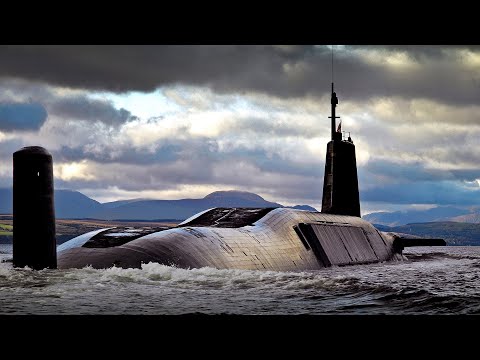
Nuclear Deterrence in Shifting Euro-Atlantic Security Architecture
Summary
Nuclear weapons play a crucial role in NATO's deterrence strategy, especially amid shifting security dynamics in the Euro-Atlantic region. The historical reliance on US-extended deterrence is now under scrutiny due to changing geopolitical factors.
Concerns about the credibility of US commitments to European security have intensified, particularly with the emergence of threats from China and the ongoing implications of Russia's actions. European states must reassess their security strategies in light of these developments.
While the UK and French nuclear arsenals provide some deterrent value, they cannot fully substitute for US nuclear capabilities. A transactional approach to US relations is necessary to maintain engagement in European security matters.
Investment in advanced conventional capabilities is essential for enhancing deterrence, including integrated air and missile defense systems. Effective integration of nuclear and conventional strategies within NATO remains a challenge, particularly with France's exclusion from certain planning structures.
Perspectives
Nuclear deterrence dynamics in Europe are evolving amid geopolitical shifts.
Support for Enhanced European Deterrence
- Emphasizes the critical role of nuclear weapons in NATOs strategy
- Highlights the need for Europe to reassess its security commitments
- Calls for a transactional approach to US-European relations
- Advocates for investment in advanced conventional capabilities
- Stresses the importance of integrating nuclear and conventional deterrence
- Encourages bilateral and multilateral cooperation for improved deterrence
Concerns Over US Commitment
- Questions the credibility of US-extended deterrence
- Notes the impact of Chinas nuclear arsenal on European security
- Warns of potential security vacuums if Europe does not enhance its capabilities
- Critiques the limitations of UK and French nuclear arsenals
- Points out challenges in NATOs nuclear planning structures
- Expresses urgency for immediate investments in European security
Metrics
other
nuclear weapons remain a critical aspect of NATO's deterrence posture
NATO's deterrence strategy
It highlights the ongoing importance of nuclear capabilities in maintaining security.
Nuclear weapons remain a critical aspect of NATO's deterrence posture.
other
the US hasn't indicated any change in its commitment to extended nuclear deterrence in Europe
US commitment to NATO
This suggests a continued reliance on US support for European security.
the US hasn't indicated any change in its commitment to extended nuclear deterrence in Europe.
other
nuclear weapons will remain a fundamental component of that security architecture
European security architecture
It emphasizes the enduring role of nuclear capabilities in future security planning.
nuclear weapons will remain a fundamental component of that security architecture.
Key entities
Timeline highlights
00:00–05:00
Nuclear weapons are a vital part of NATO's deterrence strategy, particularly as security dynamics in the Euro-Atlantic region evolve. The credibility of US-extended deterrence is increasingly questioned, necessitating a reevaluation of European security commitments and capabilities.
- Nuclear weapons are essential to NATOs deterrence strategy amidst changing Euro-Atlantic security dynamics
- US-extended deterrence has historically been a cornerstone of European security, but its credibility is now questioned
- Concerns over US commitment to European security have intensified due to potential conventional retrenchment and threats to NATO allies sovereignty
- The growing Chinese nuclear arsenal complicates US nuclear posture considerations, impacting European security reliance on the US
- UK and French nuclear arsenals cannot fully substitute for US nuclear deterrence but can still deter threats to their own security
- Europe must adopt a transactional approach to maintain US engagement in security dynamics