Geopolitic / Middle East
Israel's Security Zone in Southern Lebanon
Israeli military correspondent Emanuel Fabian reports on the establishment of a new security zone in southern Lebanon, which includes new infrastructure for quicker access. The IDF's strategy aims to dismantle Hezbollah's capabilities while maintaining a somewhat permanent presence in the region.
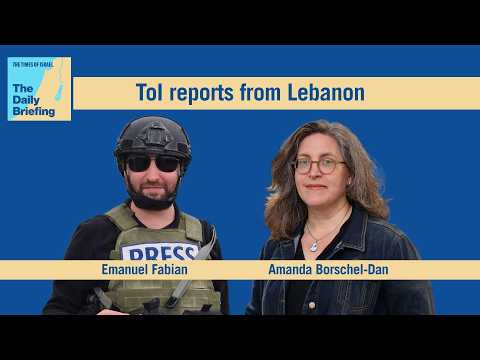
Source material: ToI reports from new Lebanon 'forward defense area'
Summary
Israeli military correspondent Emanuel Fabian reports on the establishment of a new security zone in southern Lebanon, which includes new infrastructure for quicker access. The IDF's strategy aims to dismantle Hezbollah's capabilities while maintaining a somewhat permanent presence in the region.
The Israeli Defense Forces (IDF) have created a forward defense area in Lebanon, reminiscent of the security zone from the 1982-2000 occupation, but notably without civilians present. This absence of civilians allows the IDF to operate more freely against Hezbollah.
The IDF is implementing a more mobile strategy with fewer static outposts to prevent Hezbollah from launching attacks, reflecting lessons learned from previous conflicts. The current ceasefire has provided the IDF with an opportunity to continue operations against Hezbollah without immediate threats.
Tactical objectives have seen progress, with a notable decrease in rocket fire aimed at Israeli forces, yet Hezbollah retains the capability to launch attacks from deeper within Lebanon. The future of the conflict may depend on either a political resolution with Lebanon to disarm Hezbollah or a renewed military effort by Israel to further reduce the group's firepower.
Perspectives
short
Israeli Military Strategy
- Establishes a new security zone to mitigate threats from Hezbollah
- Implements a mobile strategy to reduce risks and enhance operational effectiveness
Hezbollah's Resilience
- Retains significant capabilities to launch attacks from deeper within Lebanon
- Possesses the potential to quickly restore missile production with external support
Neutral / Shared
- Current ceasefire allows IDF to operate without immediate threats
- Future conflict dynamics depend on political resolutions or military actions
Metrics
other
80%
destruction of Hezbollah's rockets and missiles
This indicates significant military success but raises questions about Hezbollah's rearming capabilities
estimated it by the ceasefire that around 80% of its rockets and missiles had been destroyed.
other
$100 billion USD
financial damage to Iran from strikes
This significant financial impact may hinder Iran's military reinvestment
$100 billion in damage
other
11 nuclear warheads units
potential nuclear warheads based on enriched uranium
This raises significant concerns about Iran's nuclear ambitions
enough for 11 nuclear bombs
other
70%
operational missile capabilities of Iran
This indicates that a substantial portion of Iran's missile strength remains intact
70 percent of Iran's missile strength
Key entities
Timeline highlights
00:00–05:00
Israeli military correspondent Emanuel Fabian reports on the establishment of a new security zone in southern Lebanon, which includes new infrastructure for quicker access. The IDF's strategy aims to dismantle Hezbollah's capabilities while maintaining a somewhat permanent presence in the region.
- Emanuel Fabian reports on his visit to the newly established security zone in southern Lebanon, noting the Israeli militarys new infrastructure designed for quicker access
- The Israeli Defense Forces (IDF) have created a forward defense area in Lebanon, reminiscent of the security zone from the 1982-2000 occupation, but notably without civilians present
- The IDFs strategy focuses on dismantling Hezbollahs infrastructure, claiming to target only those structures integrated within civilian homes to minimize collateral damage
- The militarys current presence in Lebanon is viewed as somewhat permanent, with intentions for further expansion, reflecting a long-term commitment until a political resolution is reached
05:00–10:00
The Israeli military is reestablishing a security zone in southern Lebanon, focusing on minimizing risks from Hezbollah through operational changes. This new area will not include civilians, allowing the IDF to target Hezbollah infrastructure more freely.
- The Israeli military is reestablishing a security zone in southern Lebanon, similar to the one it vacated 26 years ago, but with operational changes aimed at minimizing risks from Hezbollah
- This new security area will not include civilians, allowing the Israeli Defense Forces (IDF) to target Hezbollah infrastructure more freely and reduce the risk of civilian casualties
- The IDF is implementing a more mobile strategy with fewer static outposts to prevent Hezbollah from launching attacks, reflecting lessons learned from previous conflicts
- The current ceasefire has provided the IDF with an opportunity to continue operations against Hezbollah without immediate threats, as noted by the commander of the Nakhil Brigade
- Hezbollah has reportedly sustained significant losses, with over 6,000 members killed since the escalation of hostilities, which the IDF believes shifts the conflict dynamics in their favor
10:00–15:00
The Israeli military is reestablishing a security zone in southern Lebanon to mitigate threats from Hezbollah. Tactical objectives have seen progress, but complete disarmament of Hezbollah remains unlikely without broader political agreements.
- The Israeli military has effectively mitigated the immediate threat of a Hezbollah invasion and direct attacks on border communities, though complete disarmament of Hezbollah remains unlikely without broader political agreements
- Tactical objectives have seen progress, with a notable decrease in rocket fire aimed at Israeli forces, yet Hezbollah retains the capability to launch attacks from deeper within Lebanon
- Israeli military operations have reportedly destroyed around 80% of Hezbollahs rockets and missiles, but there are differing views on Hezbollahs ability to rearm more quickly than Israel can neutralize its arsenal
- While Israel has pushed Hezbollah back from the border, the group continues to pose a significant threat due to its remaining rocket capabilities
- The future of the conflict may depend on either a political resolution with Lebanon to disarm Hezbollah or a renewed military effort by Israel to further reduce the groups firepower
15:00–20:00
The Israeli military is reestablishing a security zone in southern Lebanon to mitigate threats from Hezbollah. Despite tactical progress, complete disarmament of Hezbollah remains unlikely without broader political agreements.
- A recent assessment reveals that 70% of Irans missile capabilities remain operational despite damage from Israeli and American strikes
- While Iran is currently unable to produce new ballistic missiles, it is anticipated to quickly resume production with potential support from allies such as China, North Korea, or Russia
- Iran reportedly has enough enriched uranium to potentially create 11 nuclear warheads, raising significant concerns about its nuclear ambitions
- Israel acknowledges that military action alone cannot eliminate Irans enriched uranium stockpile and is pushing for a diplomatic solution to address this issue
- The ongoing U.S.-Iran negotiations are crucial, as Israel seeks to ensure Iran relinquishes its enriched uranium to avert further nuclear escalation
20:00–25:00
The Israeli military is reestablishing a security zone in southern Lebanon to mitigate threats from Hezbollah. The IDF remains on high alert for potential renewed conflict in both Iran and Lebanon.
- The Israeli Defense Forces (IDF) are on high alert and prepared for potential renewed conflict in both Iran and Lebanon, with established plans for military action
- Israeli military officials have stated that the IDF is ready for coordinated operations with the U.S. Central Command, highlighting the urgency of their preparedness
- The IDFs readiness includes fighter jets equipped with bombs and pre-set targets, enabling immediate action if hostilities resume
- The situation is complicated by Irans possession of 60 percent enriched uranium, which Israel seeks to eliminate through diplomatic efforts, as military strikes may not effectively target concealed facilities
- Military assessments indicate that Iran could quickly restore its missile production capabilities, potentially with assistance from allies like China or North Korea, raising security concerns for Israel