Geopolitic / Asia
Geopolitical developments, escalation signals, and diplomatic moves. Topic: Asia. Updated briefs and structured summaries from curated sources.

Pakistan-Afghanistan: Pakistan Says 400 Afghan Operatives Killed, Afghanistan Reports Airstrikes

Pro-Iranian protesters killed in Karachi after storming US consulate

‘Geography Leaves Bangladesh And India Little Choice’ || SNG Roundtable
Full timeline
0.0–300.0
The BNP's refusal to take an oath during the swearing-in ceremony reflects their concerns about the July charter reforms and the role of the new parliament. Initial interactions between opposition leaders indicate a potential shift towards political dialogue and increased accountability in governance.
- The BNPs refusal to take an oath during the swearing-in ceremony stemmed from their reservations about the July charter reforms, viewing the newly formed parliament as a constituent assembly meant to usher in reforms rather than a regular parliament expected to implement them immediately
- Initial interactions between opposition leaders Tarek Rahman and Sheikh Hasina marked a significant moment in Bangladeshi politics, suggesting a potential for political dialogue that has been absent in the past
- The youth population in Bangladesh, particularly those under 26, is increasingly vocal about their demands for transparency and good governance, adding pressure on the government beyond parliamentary actions
- The current government is expected to face checks and balances from both the opposition and civil society, indicating a shift towards a more accountable governance structure
- Media coverage of the swearing-in ceremony was criticized for not accurately representing dissenting voices, focusing primarily on those taking the oath and potentially misinterpreting political events
300.0–600.0
Trade figures between Bangladesh and India have remained stable despite interruptions in development assistance, indicating a strong economic reliance on India's market. The Prime Minister of India has emphasized the importance of collaboration on various agenda items, reflecting mutual developmental interests.
- Despite interruptions in development assistance, trade figures between Bangladesh and India have remained stable, indicating a strong economic reliance on Indias market. This continuity suggests that both countries recognize the importance of maintaining a positive trade relationship
- The Prime Minister of India has emphasized common developmental aspirations, highlighting the need for both nations to collaborate on various agenda items, including transit, trade, and investments. This reflects a mutual understanding of the developmental interests that both countries share
- Visa restrictions have severely impacted ordinary Bangladeshis seeking medical care, education, and commerce in India. Restoring the visa regime is seen as a critical step to improve people-to-people ties and alleviate the hardships faced by citizens
600.0–900.0
Visa restrictions have significantly hindered Bangladeshis from accessing medical care and education in India, resulting in reduced patronage of local motels and hospitals. The perception that trade agreements favor India has created a disconnect between government relations and people-to-people engagement, further complicated by political tensions.
- Visa restrictions have severely impacted ordinary Bangladeshis seeking medical care and education in India, leading to decreased footfall in motels and hospitals, particularly in Chennai and Bengal. Restoring the visa regime is seen as a critical step to improve people-to-people ties
- There is a perception in Bangladesh that trade agreements with India favor India, which has led to a disconnect between people-to-people engagement and government relations. This disconnect is exacerbated by political tensions and the narrative hijacked by hardliners during the election campaign
- Key issues affecting India-Bangladesh relations include water sharing and border violence. Both sides need to address these collaboratively using available technology to improve communication and resolve conflicts
- Sheikh Hasinas political activity and the timing of her visit to India have raised concerns in Bangladesh regarding foreign influence in domestic politics during the election period. This has contributed to a tense atmosphere, particularly following the murder of student leader Hadi, which prompted increased security measures at the Indian High Commission
900.0–1200.0
Tarique Rahman is expected to focus on domestic consolidation, prioritizing political stability, law and order, and economic growth amid a downturn in Bangladesh. While he acknowledges the importance of India as a neighbor, there is skepticism among the youth regarding the nature of engagement with India.
- Tarique Rahman is expected to prioritize domestic consolidation, focusing on political stability, law and order, and economic growth, especially given the economic downturn in Bangladesh over the past year. While domestic issues are paramount, foreign policy is also on his agenda, as indicated by his statements about maintaining distance from India
- There is cautious optimism regarding the relationship with India, with Rahman acknowledging its importance as the largest neighbor and expressing a willingness to engage. However, skepticism remains among the youth about the nature of this engagement, reflecting a desire for a more balanced and pragmatic approach
- The complexities surrounding Sheikh Hasinas role suggest that her continued prominence is more of an Awami League issue than an India issue. The party must decide how to move forward without her while addressing internal dissent and external pressures
1200.0–1500.0
The BNP's potential to reabsorb a non-Sheikh Hasina led Awami League is seen as essential for fostering an inclusive democracy in Bangladesh. There is a growing call among intellectuals and elites for a centrist political party to mitigate the influence of the Jamat and enhance democratic visibility.
- The BNPs ability to reabsorb a non-Sheikh Hasina led Awami League is crucial for an inclusive democratic Bangladesh, as India emphasizes the need for a new political party representing the Awami Leagues center-left electorate. There are differing assessments regarding the BNPs strong majority; some believe it closes the window for inclusivity, while others argue that the BNP may seek to contain the Jamat by bringing back a reformed Awami League
- Many intellectuals and business elites in Bangladesh desire a centrist political party to provide visibility in the democratic process, which could help mitigate the influence of the Jamat. The idea of a reformed Awami League, possibly minus Sheikh Hasina, is gaining traction among those who want a larger political contest rather than a binary opposition between the BNP and Jamat
- The future of the 10,000 Bangladeshi nationals living in India is a concern, as they will eventually need to return to Bangladesh, necessitating a recalibration of political dynamics. The relationship between the Bangladeshi army and India remains stable and functional, which is significant given the domestic turmoil in Bangladesh
1500.0–1800.0
The Bangladeshi army maintains a functional relationship with the Indian military, supported by years of training and discussions. However, a sociological conservative tilt is emerging in Bangladesh, raising concerns about the potential electoral success of the Jammat party.
- The current leadership of the Bangladeshi army maintains a functional relationship with the Indian military, supported by years of training and discussions. However, doubts exist among some soldiers indoctrinated against India, which is viewed as an internal issue for Bangladesh
- A sociological conservative tilt is emerging in Bangladesh, particularly within universities and civil society, reflected in the recent electoral success of the Jammat. This trend raises concerns about the potential for the Jammat to gain a larger mandate in the future
- The need for India to consider a scenario where the Jammat could be in government is emphasized, suggesting outreach to various political factions is essential for future diplomatic relations. This aligns with the broader need for India to adapt its policies based on the evolving political landscape in Bangladesh
- The previous expectations for massive constitutional reforms in Bangladesh have failed, leading to a more realistic approach among Western diplomats. They now recognize the necessity of holding elections to ensure stability and continuity
- With the BNPs two-thirds majority in parliament, there is little incentive for them to pursue significant constitutional reforms. Their focus is on maintaining stability and repairing relations abroad, particularly with India
1800.0–2100.0
Bangladesh is facing significant economic challenges due to its heavy reliance on textile exports, prompting a need for diversification and stronger ties with India. Political reforms are being initiated, but substantial constitutional changes are unlikely without an electoral government.
- Reforms in Bangladesh, such as improvements to the election commission and police reforms, have been initiated, but substantial constitutional reforms are unlikely without an electoral government. The expectation from the nation is that the political landscape must change, indicating a demand for good governance
- Bangladeshs economy faces significant challenges due to its heavy reliance on textile exports directed towards European and American markets. The government has recognized the need for diversification, with Sheikh Hasina initiating strategies to engage more with India
- The comprehensive economic partnership between India and Bangladesh announced in 2023 has seen no progress, highlighting the urgency for Bangladesh to strengthen its economic ties with India. Maintaining access to traditional markets is critical for its development as Bangladesh approaches the status of a middle-income economy
- While Pakistan is keen to engage with Bangladesh, the latter remains cautious, aware of the limited benefits that Pakistan can offer. Historical context suggests that Bangladesh has learned from past experiences and is wary of deepening ties with Pakistan, especially given the anti-India activities that occurred in the past
- The political landscape in Bangladesh is shifting, and the new prime minister will face the challenge of convincing the electorate of the urgency of a deeper economic relationship with India. This relationship is seen as essential for addressing Bangladeshs developmental interests
2100.0–2400.0
India has communicated its security red lines to the new Bangladeshi government, emphasizing the prevention of any Pakistani influence. The BNP's foreign policy agenda indicates a commitment to not allow Bangladesh to be a base for terrorism, but internal challenges may affect this commitment.
- India has communicated its red lines to the new Bangladeshi government, emphasizing the need to prevent any undue influence from Pakistan on Bangladeshs security establishment. This includes ensuring that no terrorist camps are reestablished in Bangladesh
- The BNPs foreign policy agenda explicitly states that Bangladesh will not be used as a base for terrorism, signaling a commitment to India. However, there are concerns about the capacity of the Bangladeshi establishment to uphold this commitment amidst internal elements that may seek to undermine relations with India
- The BNPs leadership is aligned with normalizing relations with India, but Pakistan remains a potential source of friction, seeking opportunities to create discord in the India-Bangladesh relationship
- The BNPs actions will be a key indicator of its commitment to strengthening ties with India, particularly regarding its leadership role in regional initiatives like BIMSTEC, which had seen little progress under the previous interim government
- Bangladeshs military relationship has historically included hardware from China, indicating a hedging strategy in its foreign relations. This pattern of diversifying military partnerships may continue under the BNP government
2400.0–2700.0
Bangladesh's military has not purchased any Indian military hardware in the last decade, despite a $500 million letter of credit for defense. The challenge for Bangladeshi leadership is to communicate the importance of a special relationship with India amidst rising anti-India sentiment.
- Bangladeshs military has not purchased any Indian military hardware in the last decade, despite a $500 million letter of credit for defense, indicating a trend of hedging in its foreign relations
- The challenge for the Bangladeshi leadership will be to communicate to the public that a special relationship with India is essential for national interest, especially given the current high levels of anti-India sentiment in Bangladesh
- Repairing the relationship with India involves navigating complex issues such as trade asymmetries and energy needs, which are often politically difficult to sell to the electorate
- The term reset describes the need for a return to a positive agenda in Bangladesh-India relations, reminiscent of the period between 2009 and 2014, which focused on growth and cooperation across various sectors
2700.0–3000.0
The discussion highlights the enduring significance of geography in shaping Bangladesh's political landscape and its relationship with India. Despite challenges, there is optimism about open dialogue addressing these complexities.
- The speaker emphasizes that despite political changes, the geographical realities of Bangladesh remain significant in shaping its future decisions
- They highlight the importance of geography in influencing Bangladeshs political landscape and suggest that historical linkages will continue to play a role
- The speaker expresses optimism about the roundtable discussion, appreciating the candid contributions of fellow panelists regarding India-Bangladesh relations
- They acknowledge the complexities of the relationship, noting that while challenges exist, the dialogue reflects a commitment to addressing these issues openly

Opinion: Why are Pakistan and Afghanistan fighting?
Full timeline
0.0–300.0
Pakistan and Afghanistan are currently in a state of open conflict, marked by airstrikes and historical tensions. The situation is complicated by the involvement of the Tehrik-i-Taliban Pakistan and the differing goals of the Afghan and Pakistani Taliban.
- Pakistan and Afghanistan are currently engaged in a conflict that has escalated dramatically. Pakistans Air Force has bombed several Afghan cities
- Pakistans defense minister has declared that the two countries are in open war. However, tensions have been building for many months and are rooted in decades of history
- Pakistan accuses the Afghan Taliban government of sheltering the Tehrik-i-Taliban Pakistan, also known as the Pakistani Taliban or TTP. This group has been fighting the Pakistani state for nearly 20 years
- Despite their shared origins in the Afghanistan-Pakistan borderlands, the Afghan Taliban and Pakistani Taliban have different leaderships and goals. This complicates the ongoing conflict
- The Pashtun ethnic group plays a significant role in both countries. Afghanistans Pashtuns are the largest ethnic group, while they are a minority in Pakistan
- The Durand Line, a border drawn by the British, is not accepted by Afghanistan. It is seen as a threat to its national identity and the Pashtun people
- Pakistans historical support for the Taliban in the 1990s aimed to create a friendly neighbor. However, the Afghan Talibans priorities have shifted, complicating the relationship
- The conflict is deeply rooted in identity politics, religion, and geopolitics. It is an intergenerational issue that is now entering a dangerous phase

Pakistan declares ‘open war’ on Taliban | #shorts #pakistan #afghanistan #taliban
Full timeline
0.0–300.0
Pakistan's Defence Minister Khwaja Asif has characterized the conflict with Afghanistan's Taliban government as an 'open war' amid rising violence and border clashes. Both nations report significant casualties, with Pakistan claiming 133 Taliban fighters and two security personnel killed, while Afghanistan reports 55 Pakistani soldiers and eight Taliban fighters dead.
- Pakistans Defence Minister Khwaja Asif describes the situation with Afghanistans Taliban government as an open war amid escalating violence and border clashes
- Explosions have been reported in Kabul, and fighting has intensified along the Durand Line, which separates the two countries
- Pakistan accuses the Tehrik-i-Taliban Pakistan (TTP) of operating from Afghan territory. The Taliban denies this claim, leading to increased tensions
- Both sides report heavy casualties. Pakistan claims 133 Taliban fighters were killed and two security personnel died, while Afghanistan reports 55 Pakistani soldiers and eight Taliban fighters were killed
- The escalation of the conflict raises serious implications for regional stability. It affects not only Pakistan and Afghanistan but also neighboring countries
- India has cautiously reopened diplomatic channels with the Taliban. It is providing humanitarian assistance without formally recognizing the regime, complicating its position amid the conflict
- Khwaja Asif has accused Afghanistan and India of waging a proxy war against Pakistan. He frames the conflict as a matter of internal security for Pakistan

The Wire - February 27, 2026
Full timeline
0.0–300.0
Final preparations for combat operations in the Middle East are underway, with the US military on high alert. The Ford Kirschrad Group has arrived off the coast of Israel, indicating an escalation in military readiness.
- Final preparations for combat operations in the Middle East are underway, with the US military on high alert. The Ford Kirschrad Group has arrived off the coast of Israel, indicating an escalation in military readiness
- Chinese satellite imagery shows that the LUD airbase has been fully evacuated of tanker aircraft. Only a small number of other airframes remain, suggesting a significant shift in military positioning
- Border clashes have intensified between Taliban and Afghan forces, particularly along the eastern border with Pakistan. Pakistani forces have targeted ammunition dumps in Nangahar, while Taliban forces have retaliated with drone strikes on military installations
- A friendly fire incident occurred in Texas, where US military forces mistakenly shot down a Customs and Border Protection drone. This incident highlights the lack of deconfliction measures in operations along the southern US border
- Analysts predict that the next potential strike window in the Middle East may open this weekend. Favorable weather conditions in Iran, including good lunar illumination and clear skies, are expected to facilitate military operations
- Diplomatic efforts are ongoing to draw down forces in the region. The American ambassador to Israel has authorized the departure of embassy staff, urging those who wish to leave to do so immediately

We feel your pain, no cause can justify killing of civilians: Modi expresses solidarity with Israel
Full timeline
0.0–300.0
India expresses condolences for the victims of the October 7 terrorist attack and emphasizes solidarity with Israel. The country reaffirms its zero-tolerance policy towards terrorism, drawing from its own experiences with such violence.
- India expresses deep condolences for the lives lost and families affected by the terrorist attack on October 7
- Solidarity with Israel is emphasized, along with a firm stance against the murder of civilians and terrorism in any form
- Indias experience with terrorism, including the Mumbai attacks, reinforces its commitment to a zero-tolerance policy
- Terrorism is recognized as a destabilizing force that undermines societal development and erodes trust among communities
- Countering terrorism requires coordinated global action, as threats to peace in one area can impact stability everywhere
- India supports efforts aimed at achieving durable peace and enhancing regional stability in the face of terrorism

REPORT: China Arming Iran With Supersonic 'Ship-Killer' Missiles
Full timeline
0.0–300.0
Iran is close to finalizing a deal with China for the CM-302 supersonic anti-ship cruise missile, which could significantly enhance its maritime strike capabilities. This development comes amid heightened tensions in the Persian Gulf, where the U.S.
- Iran is reportedly nearing a deal with China to acquire the CM-302, a supersonic anti-ship cruise missile designed to threaten advanced naval vessels
- The CM-302 can fly low to the water at high speeds. This reduces radar detection time and complicates interception efforts for naval defenses
- If the agreement is finalized, it would represent one of the most advanced weapon systems China has transferred to Iran in decades. This would significantly enhance Irans maritime strike capabilities
- Negotiations between Tehran and Beijing have reportedly accelerated following last years conflict between Israel and Iran. Senior Iranian military officials have visited China to finalize the deal
- The potential acquisition of the CM-302 comes as the U.S. maintains a substantial naval presence in the Persian Gulf, including two carrier strike groups
- Military planning is influenced by risk management. Even a slight increase in the likelihood of a successful strike against U.S. carriers alters operational calculations
- The strategic implications of Iran acquiring this missile could lead to heightened tensions. U.S. planners may consider striking before Iran obtains such capabilities
300.0–600.0
China, Iran, and Russia are enhancing their military cooperation through joint naval exercises, with a potential sale of the CM-302 missile to Iran. This development raises concerns about the balance of power in the Persian Gulf amid escalating U.S.-Iran tensions.
- China, Iran, and Russia are conducting joint naval exercises, indicating a growing military alignment among these nations. A finalized sale of the CM-302 missile would deepen this cooperation amid rising U.S.-Iran tensions
- The CM-302 missile, if acquired by Iran, would enhance its anti-ship capabilities. This development would make the Persian Gulf a more contested area for U.S. naval operations
- There is currently no confirmed delivery date or quantity for the CM-302 missiles. Beijing has not publicly acknowledged any negotiations, raising concerns about the balance of power in the Persian Gulf
- Xi Jinpings military corruption purge is reportedly impacting the command structure of the Peoples Liberation Army. A recent report indicates serious deficiencies at the top levels of military hierarchy due to the ongoing crackdown
- The Central Military Commission of China has been significantly reduced, now consisting of only two active members. This dramatic shrinkage could severely affect decision-making processes and operational effectiveness within the military
- The report suggests that the purges impact on military readiness may be temporary. However, it is likely to have short-term operational consequences, as analysts warn that ongoing anti-corruption investigations may not be completed soon
600.0–900.0
China's military spending has risen to nearly 44% of total defense outlays in Asia, up from an average of 37% between 2010 and 2020. In Ukraine, former Russian soldiers report severe abuses and executions for disobedience, indicating a brutal command structure.
- Beijings military command is under significant strain due to internal turbulence. However, the broader trajectory of Chinas military expansion remains intact
- Chinas military spending has increased and now accounts for nearly 44% of total defense outlays in Asia. This is up from an average of 37% between 2010 and 2020
- Despite the leadership shake-up, Chinas modernization efforts continue. Xi Jinping referred to the past year as one of revolutionary forging in the fight against corruption
- In Ukraine, disturbing accounts from former Russian troops reveal that soldiers who refuse orders face execution or torture. Some are sent into near-suicidal assaults by their commanders
- One former soldier described witnessing executions of fellow soldiers at point-blank range. This highlights a brutal command structure that prioritizes compliance over strategy
- The allegations extend to a system of meat storm assaults. Waves of troops are sent toward Ukrainian positions, resulting in high casualties without a clear strategy
- Former soldiers reported severe abuse for resisting orders, including electric shocks and beatings. This indicates a culture of coercion and fear within the ranks
900.0–1200.0
Cartel violence has surged in Mexico following the killing of El Mencho, affecting over 20 states and major tourist destinations. The U.S.
- Cartel violence has surged in Mexico following the killing of El Mencho, the leader of the Jalisco New Generation Cartel. This has led to burning vehicles, roadblocks, and gun battles across more than 20 states
- Tourists are facing disruptions as violence has affected major tourist destinations like Puerto Vallarta. The U.S. Embassy has issued a temporary shelter-in-place advisory while security forces work to stabilize the area
- Despite the unrest, not all of Mexico is experiencing the same level of violence. Popular spring break destinations such as Cancun and Tulum have not seen significant unrest related to El Menchos death
- The U.S. State Department has varying travel advisories for different states in Mexico. Some areas are under do not travel warnings, prompting many Americans to reevaluate their travel plans
- Travelers are advised to use common sense and assess their risk appetite before planning trips to Mexico. While millions travel safely each year, the current environment may warrant alternative plans for the coming weeks
- The situation is expected to stabilize over time, but short-term spikes in violence are likely as cartel factions reposition themselves. Tourists should remain aware of their surroundings and the evolving security landscape
1200.0–1500.0
Cardiff provides fast business loans with minimal paperwork, allowing small businesses to access up to $500,000 in same-day funding. The application process is quick and does not impact personal credit, addressing barriers often faced with traditional banks.
- Mike Baker encourages business owners to consider Cardiff for their funding needs. Cardiff offers fast business loans with minimal paperwork and quick approvals, making it easier for small businesses to access capital
- The application process for Cardiff takes less than five minutes and does not impact personal credit. Business owners can apply for up to $500,000 in same-day funding to keep their operations running smoothly
- Baker emphasizes that traditional banks often create barriers for small businesses seeking loans. In contrast, Cardiff aims to provide accessible funding solutions tailored to the needs of small business owners
- He invites viewers to engage with the content by liking the video and leaving positive comments. Encouraging subscriptions and notifications ensures that viewers stay updated with daily briefings
- Bakers message highlights the importance of financial support for small businesses in a challenging economic environment. By promoting Cardiff, he aims to empower entrepreneurs to overcome financial hurdles
- If you have any questions or comments, please reach out to me at PDB at thefirsttv.com. Im Mike Baker and Ill be back later today with the PDB afternoon bulletin. Until then, stay informed, stay safe, and stay cool

Prahaar: India’s First Formal Counter-Terror Doctrine Explained || The Gist
Full timeline
0.0–300.0
Hedley's deposition in 2016 marked the first formal acknowledgment of Pakistan's state role in terrorism against India. India has announced a comprehensive counter-terrorism policy, Prahaar, which aims to formalize its approach to combating terrorism.
- Hedleys deposition in 2016 marked the first formal acknowledgment of Pakistans state role in terrorism against India. This revelation challenged the narrative that non-state actors were solely responsible
- India faces threats from global terrorist groups, including Al Qaeda and the Islamic State. These organizations have India firmly in their sights, necessitating a robust counter-terrorism strategy
- Atul Chandra Kulkarni emphasizes the importance of a comprehensive counter-terrorism policy like Prahaar for a country of Indias size. Such a policy formalizes the governments approach to combating terrorism
- The Prahaar policy represents a significant step forward for India, as it is the first time the country has clearly articulated its counter-terrorism strategy. This clarity was previously lacking in Indias approach
- Kulkarni notes that counter-terrorism strategies globally are evolving. Countries like the UK, USA, and Australia continuously reform their policies, and India must also adapt and improve its strategy over time
- The counter-terrorism policy must be accepted and perceived uniformly across Indias diverse political landscape. This formalization is crucial for effective implementation across the countrys 30 states
300.0–600.0
India's counter-terrorism policy, Prahaar, encompasses seven interconnected pillars aimed at preventing terror attacks and enhancing resilience. The strategy emphasizes intelligence-guided measures and international alignment to protect citizens and build internal capacities.
- Prahaar is an acronym representing seven key aspects of Indias counter-terrorism strategy. It focuses on prevention, internal capacity building, and international alignment
- The first aspect, prevention, emphasizes protecting Indian citizens from terror attacks. This is achieved through proactive, intelligence-guided measures
- Each of the seven pillars in Prahaar is interconnected. This approach is similar to counter-terrorism strategies in countries like the United Kingdom and France
- The policy aims to formalize Indias approach to counter-terrorism. This approach has been evolving in response to historical incidents, such as the Mumbai terror attacks
- Intelligence sharing and training among law enforcement agencies are crucial components of the strategy. These efforts are facilitated by a multi-agency center and joint task forces
- The policy reflects a comprehensive framework that seeks to enhance resilience and recovery. It promotes a whole-of-society approach to counter-terrorism
600.0–900.0
India's counter-terrorism strategy emphasizes prevention through intelligence-guided measures and multi-stakeholder coordination. The National Investigation Agency, with a 96% conviction rate, plays a pivotal role in investigating and prosecuting terrorism-related cases.
- Prevention is a key aspect of Indias counter-terrorism strategy. It emphasizes a proactive approach guided by intelligence to thwart potential terrorist attacks before they occur
- The National Security Guard plays a crucial role in responding to major terror attacks. Their involvement during the 26/11 incident highlights the importance of multi-stakeholder coordination during such crises
- Standard operating procedures are established to ensure effective coordination among various agencies during a terror attack response. This includes intelligence sharing and collaborative analysis to enhance operational efficiency
- The National Investigation Agency serves as the nodal agency for investigating terror attacks. It boasts a remarkable conviction rate of 96%, reflecting its effectiveness in prosecuting terrorism-related cases
- Aggregating capacities among law enforcement agencies is essential for enhancing their effectiveness. This includes regular updates to training modules and the acquisition of advanced tools and technology
- The creation of a national terrorism database by the National Investigation Agency allows states to access and contribute intelligence. This initiative facilitates real-time data sharing and enhances the overall capacity to combat terrorism
- Efforts are underway to establish a uniform anti-terrorism structure across states. This initiative aims to consolidate best practices from various state agencies into a cohesive framework for counter-terrorism
900.0–1200.0
India's counter-terrorism efforts emphasize the importance of human rights and the rule of law, ensuring laws are applied evenly to protect citizens. The National Investigation Agency has established specialized divisions to address issues like human trafficking and terrorist financing while engaging youth to prevent radicalization.
- Human rights and the rule of law are essential in counter-terrorism efforts. Laws must be applied evenly to protect citizens fundamental rights and prevent unnecessary actions based on mere suspicion
- The Unlawful Activities Prevention Act serves as the principal legal framework for addressing terrorism in India. It has been updated over time, along with other significant laws like the CPC, IPC, and various acts related to explosives and arms
- The National Investigation Agency has established specialized divisions to tackle issues such as human trafficking and terrorist financing. These divisions ensure that due process is followed while addressing terrorism-related crimes
- Agencies are actively disrupting terrorist designs by identifying and addressing radicalized youths. A comprehensive police response aims to tackle radicalization and violent extremism through engagement with multiple stakeholders
- Maharashtra has developed a model for countering radicalization that incorporates international best practices. This model includes community engagement and counter-narrative programs to address the root causes of extremism
- Youth engagement is crucial in counter-terrorism strategies. Programs like the Rural Self-Employment Training Institutes provide vocational training, which helps reduce the risk of radicalization by promoting self-sufficiency
1200.0–1500.0
Training programs have engaged over 470 units, with more than 260 achieving self-employment. International cooperation and updated legal frameworks enhance India's counter-terrorism efforts.
- Training programs have successfully engaged over 470 units of R focus, with more than 260 achieving self-employment. These initiatives aim to provide opportunities and reduce conditions that foster extremism
- Access to quality education is emphasized through various government programs, including the Prime Ministers 15-point program for minority development. These efforts are designed to integrate minorities into mainstream society
- International cooperation is crucial for counter-terrorism efforts. Agency-to-agency engagements and intelligence sharing are prioritized, with successful extraditions of wanted individuals highlighting the effectiveness of these partnerships
- The NIA Act has been updated to allow for international jurisdiction. This enables the registration of offenses against entities that threaten national security and supports actions against individuals involved in terrorism
- Public-private partnerships are essential for recovery and resilience. They involve a diverse team of professionals to support affected youth, including reconstruction efforts and preventive security measures
- The rapid evolution of technology presents challenges for counter-terrorism strategies. Real-time upgrades across various functions are necessary to maintain effective responses to emerging threats
1500.0–1800.0
Artificial intelligence is expected to transform counter-terrorism efforts in India, with significant technological upgrades at both national and state levels. The policy emphasizes intelligence-driven strategies to address state-sponsored terrorism and the convergence of terror groups with organized crime syndicates.
- Artificial intelligence is poised to significantly impact counter-terrorism efforts. The government has emphasized technology upgrades at both national and state levels over the past decade
- The National Forensic Science University has expanded its capacity to support technological advancements in counter-terrorism. The Union Home Minister has encouraged states to enhance their technological expertise
- States like Telangana are leading in technological initiatives to address new challenges. Maharashtra has also invested in significant projects to strengthen its counter-terrorism capabilities
- Intelligence-driven efforts are essential in counter-terrorism strategies. The policy formally articulates the importance of intelligence in preventing and responding to threats
- The policy addresses state-sponsored terrorism and the involvement of both state and non-state actors. It highlights the convergence of terror groups and organized crime syndicates as a major concern
- Formally stating these elements in the policy gives them special significance. It communicates Indias stance on counter-terrorism to both domestic and international audiences
1800.0–2100.0
Cross-border terrorism continues to pose a significant threat, with various measures implemented to address it. The involvement of state-sponsored terrorism and the use of advanced technologies by terrorist groups are critical elements in the evolving threat landscape.
- Cross-border terrorism remains a significant issue, with various steps taken to address it. During his time in the National Investigation Agency, several loopholes were identified and closed to prevent exploitation
- The underworld in Mumbai has a long history of collaborating with terrorist elements, particularly those based in Pakistan. This connection is formally recognized in the threat profile outlined in the counter-terrorism policy
- The policy explicitly acknowledges state-sponsored terrorism from across the border. It highlights the involvement of state actors alongside non-state actors, which is crucial for understanding the broader threat landscape
- Global terrorist groups, including Al Qaeda and the Islamic State, have India in their sights. These groups frequently utilize advanced technologies, such as drones, to facilitate their operations
- Drones have been extensively used for dropping weapons, drugs, and money across borders. In one year, nearly 100 drone drop incidents were reported in Punjab alone
- Terrorist groups are increasingly engaging in criminal networks for logistics and recruitment. They often leverage local contacts and social media platforms to advance their agendas, including online radicalization
- Radicalization efforts have included the use of DIY kits and cryptocurrency accounts to fund operations. These tactics demonstrate the evolving nature of terrorist strategies in the digital age
2100.0–2400.0
Emerging challenges in counter-terrorism necessitate continuous adaptation and equipping of assets to disrupt terrorist efforts, particularly from state actors and cyberattacks. Coordination among states is essential for a unified national counter-terrorism strategy, facilitated by the National Investigation Agency through annual conferences and training programs.
- Emerging challenges in counter-terrorism require continuous adaptation and equipping of assets to disrupt terrorist efforts. This includes addressing threats from state actors and cyberattacks
- Digital surveillance has significantly improved over the last decade, aided by satellite imagery and law enforcement inputs. These advancements enhance capabilities to monitor and respond to threats effectively
- Coordination among states is crucial for a unified national counter-terrorism strategy. The National Investigation Agency plays a key role in facilitating this coordination through annual anti-terrorism conferences
- Best practices and technological advancements are shared during these conferences to ensure all states align in their counter-terrorism efforts. This collaboration aims to unify all agencies involved
- The National Investigation Agency also provides training for state personnel, equipping them with the latest tools and information. This centralized approach helps address various challenges posed by terrorism across different regions
- India faces multiple threats from neighboring countries, including Bangladesh and Pakistan. Efforts are underway to engage these nations in collaborative counter-terrorism initiatives to enhance regional security
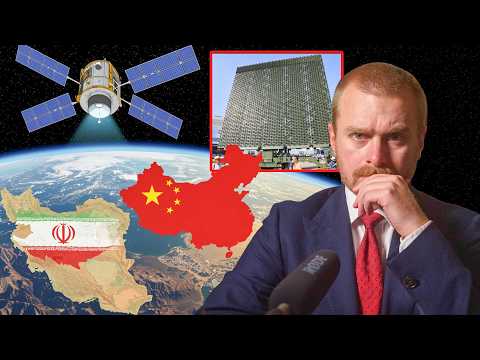
Critical Factors & Hidden Capabilities - China Arms Iran - Does It Shift the Equation?
Full timeline
0.0–300.0
The potential for US and Israeli military action against Iran poses significant risks to regional stability and global markets. China's reliance on Iran for oil exports and its involvement in BRICS further complicate the geopolitical landscape.
- The potential for US and Israeli military action against Iran is a significant concern in the Middle East
- Chinas relationship with Iran is heavily influenced by energy needs. China imports about 13% of its oil from Iran
- Iran relies on China for its oil exports, with approximately 80% of its oil being sold to China
- The stability of the region is crucial for broader trade, not just in energy. Disruptions could impact global markets
- Chinas support for Iran is linked to its involvement in BRICS. This group fosters economic cooperation, though it is not a military alliance
- The effectiveness of Chinese military systems varies. For example, Pakistan has seen success against Indian aircraft, while Venezuela faces challenges with training and equipment use
- The quality of military systems provided by China can be overshadowed by the level of training received by the operating forces
300.0–600.0
The effectiveness of Chinese military equipment is influenced by user training and operational context, with varying performance observed in different conflicts. Iran's evolving relationship with China reflects a shift towards greater military dependence, particularly in intelligence and reconnaissance capabilities.
- The effectiveness of Chinese military equipment varies significantly based on the training and operational context of the user. In the India-Pakistan conflict, some Chinese systems performed well, while others did not
- Venezuelas military capabilities are difficult to assess due to potential issues with training and operational readiness. If personnel are instructed to stand down, the effectiveness of any missile system is compromised
- Irans relationship with China is more developed than Venezuelas, reflecting a long history of defense cooperation. This relationship has evolved from military equipment support during the Iran-Iraq war to more technical assistance in recent years
- Irans realization of its vulnerability following the 12-day conflict has prompted it to seek more substantial support from China and Russia. This shift indicates a growing dependence on external military assistance
- Chinas support for Iran includes critical enablers such as intelligence, surveillance, and reconnaissance capabilities. These elements are increasingly important for Irans defense strategy, surpassing the need for conventional weaponry
- Irans transition from reliance on the US GPS system to Chinas BDO system represents a significant strategic shift. This change reduces Irans vulnerabilities and enhances its operational capabilities
600.0–900.0
Israel's initial success in the 12-day war was attributed to extensive preparation, including electronic warfare and intelligence from ground proxies. Iran's military capabilities, particularly in ballistic missile systems, were suppressed during the conflict, raising questions about potential preemptive strikes supported by Russia or China.
- Israels success in the opening days of the 12-day war stemmed from extensive preparation. This included electronic warfare and mapping enemy command and control nodes
- The ability to spoof Irans GPS signals played a crucial role in Israels strategy. This capability allowed them to disrupt Iranian defenses effectively
- Ground intelligence from proxies within Iran significantly contributed to the success of the initial strikes. These efforts targeted air defense systems and enhanced operational effectiveness
- Irans military capabilities appear more effective in an offensive capacity. This is particularly true for ballistic missile systems, which were suppressed during the 12-day conflict
- The prerequisites for a potential preemptive strike by Iran seem to have been met. This raises questions about the support they might receive from Russia or China
- The framing of the conflict by the US and Israel as an anticipatory preemptive strike complicates the legal and strategic landscape. This is particularly relevant regarding Irans nuclear development
- Debate exists around the legality of preemptive strikes. Some argue they are justified under international law, while others maintain they violate it
900.0–1200.0
Israel and the United States may justify preemptive strikes against Iran by framing them as anticipatory self-defense to prevent nuclear weapon development. Iran's military strategy appears to rely on waiting for an attack, allowing it to maintain the moral high ground.
- Israel and the United States may justify preemptive strikes against Iran by framing them as anticipatory self-defense. They argue that such actions are necessary to prevent Iran from developing nuclear weapons
- Irans military strategy appears to rely on waiting for the United States or Israel to strike first. This approach allows Iran to maintain the moral high ground in any conflict
- The United States might be attempting to provoke Iran into a preemptive strike. By building up military presence in the region, the United States could create a narrative that justifies its own military actions
- Recent statements from United States officials suggest that Irans nuclear program is closer to being operational than previously believed. This creates a potential justification for military action against Iran
- Concerns about Irans nuclear capabilities have persisted for decades, leading to skepticism about their actual progress. The repeated warnings may diminish the credibility of future claims regarding Irans nuclear advancements
- Analyzing the situation requires an objective perspective, separate from any support for the Iranian regime. Understanding the strategic calculations of both sides is essential for a comprehensive analysis
1200.0–1500.0
China and Russia are not expected to provide direct military support to Iran, as their interests in the region are significant but not existential. China's intelligence, surveillance, and reconnaissance capabilities, particularly through the Badole Global Navigation Satellite System, are crucial for enhancing Iran's military strategy.
- China and Russia are unlikely to deploy troops or provide direct military support to Iran. Their interests in the region are significant but not existential
- Chinas support for Iran may include critical intelligence, surveillance, and reconnaissance capabilities. These are essential for Irans defense strategy
- The provision of the Badole Global Navigation Satellite System by China is particularly important. Iran has reportedly shifted away from using GPS
- The intelligence support that China provides is not always visible to the public. However, it plays a crucial role in enhancing Irans military capabilities
- Russias focus on Ukraine and other areas limits its ability to offer substantial support to Iran. Despite its interest in the region, its resources are stretched
- ISR capabilities are vital for military operations, even if they do not involve direct combat. Their importance cannot be overstated in modern warfare
1500.0–1800.0
The military-grade version of Badole is as accurate as military-grade GPS and resilient against jamming, enhancing Iran's defense capabilities. The YLC-8 Bravo radar, a mobile stealth detection system, could significantly improve Iran's early warning and situational awareness against aerial threats.
- The military-grade version of Badole is reportedly as accurate as military-grade GPS. This makes it significant for Irans defense capabilities
- Badoles resilience against jamming is crucial. It presents a challenge for Israel and the US to disrupt its functionality
- Chinas intelligence, surveillance, and reconnaissance capabilities are more advanced than those of Russia. This allows for extensive information collection
- China has previously deployed intelligence-gathering vessels near Australia during military exercises. These vessels collect signals and intelligence
- The YLC-8 Bravo radar is a stealth detection system. It could enhance Irans early warning capabilities against aerial threats
- This radar system is mobile and operates on low frequencies. This requires a larger size for effective signal reception
- The combination of Badole and advanced radar systems could significantly improve Irans situational awareness. It would also enhance its response capabilities
1800.0–2100.0
Iran is enhancing its military capabilities with the acquisition of the mobile YLC-8 Bravo radar system from China, which improves early warning and situational awareness. This development is likely motivated by financial incentives and the need for operational data collection in a conflict environment.
- Irans current long-range phased array radar is fixed, making it easier to target compared to the new mobile Chinese system. The mobile system enhances survivability
- The Chinese radar, YLC-8 Bravo, has a range of about 500 kilometers against aircraft. It is designed to identify stealth or low observable aircraft
- While the YLC-8 Bravo cannot engage targets, it plays a crucial role in early warning. It queues threats to other targeting radars within missile systems
- Reports suggest that multiple Chinese aircraft have landed in Iran recently. This indicates a possibility that these radar systems have been delivered
- Chinas interest in supplying these systems to Iran likely stems from financial incentives. These include oil, barter trade, and data collection opportunities
- Collecting data in a conflict environment allows China to assess the performance of its systems. This is similar to how previous conflicts have validated military technologies
2100.0–2400.0
The effectiveness of military technology can only be assessed under real combat conditions, as demonstrated by the mixed results of systems like the Challenger 2 tank and the Switchblade drone. The Dayang Yuhang, often misidentified, is an oceanographic survey vessel equipped for underwater research, lacking the extensive radar systems typical of intelligence-gathering ships.
- Not all Russian and NATO equipment is ineffective. Some systems have proven to be quite effective in real combat situations. The effectiveness of military technology can only be truly assessed under actual conditions
- The Challenger 2 tank and the Switchblade drone system are examples of military equipment with mixed results in combat. While some systems are touted as game changers, they may not perform as expected in real scenarios
- China is likely analyzing the effectiveness of its radar systems and the U.S. response to them. Understanding how well these systems perform against U.S
- The ship deployed around Iran, known as the Dayang Yuhang, is often misidentified in reports. It is an oceanographic survey vessel, not an intelligence-gathering ship, which is important for understanding its capabilities
- The Dayang Yuhang is equipped for underwater research and mapping. However, it lacks the extensive radar systems typical of intelligence-gathering vessels, which is critical for assessing its role in military operations
- Chinas space event instrumentation ships serve multiple purposes. They support space missions and track ballistic missile tests, collecting telemetry data that can be useful for military applications
2400.0–2700.0
China has deployed an oceanographic ship in the Horn of Africa, raising questions about its intended purpose. Iran's operational capabilities, particularly with its midget submarines, pose significant threats to naval operations in the region.
- China deployed an oceanographic ship instead of more capable intelligence-gathering vessels. This raises questions about its purpose in the region
- The oceanographic ship may be conducting ocean floor mapping or collecting submarine acoustic signatures. However, its exact capabilities remain uncertain
- China has two warships rotating through the Horn of Africa. These vessels can collect transmissions, but they are not as effective as specialized intelligence ships
- Iran operates around 20 midget submarines that could threaten naval operations. This is particularly concerning in the shallow waters near its coast
- The carrier battle group is positioned far from the coast. This is due to concerns about land-based and ship missiles from Iran, as well as the midget submarines
- The S-300 PMU2 is Irans most capable long-range air defense system. Its current operational status is unclear due to potential losses in recent conflicts
- China also operates the S-300 PMU2 and has developed a copy known as the HQ-15. This version is not exported for intellectual property reasons
2700.0–3000.0
China may supply missiles to Iran, potentially including the S-300 PMU and the more advanced HQ-9 system. This would enhance Iran's air defense capabilities, leveraging their familiarity with the S-300 and the advanced features of the HQ-9.
- China may provide missiles to Iran, potentially including their own stocks of the S-300 PMU system. This would be advantageous for Iran, as they are already familiar with its operation
- Reports suggest that China has developed the HQ-9 missile system, which could be supplied to Iran. Although there has been no official confirmation, the possibility remains given Chinas past sales to other countries
- Chinas willingness to sell the HQ-9 to nations like Egypt indicates a readiness to engage with Iran as well. This missile system is considered more capable than the S-300, making it a valuable asset for Iran
- The complete battery system for the HQ-9 would include multiple components, such as transporter erector launchers and targeting engagement radars. This comprehensive setup is essential for effective missile deployment and operation
- If China were to supply the HQ-9, it would likely include updated radar systems alongside the missiles. This would ensure that Iran receives a fully functional and modern air defense capability
- Chinas potential provision of older S-300 systems could also be a strategic move. These systems would be familiar to Iranian forces, facilitating their integration into existing defense frameworks
3000.0–3300.0
China has sold various missile systems, including the HQ-22, to countries like Serbia, which could enhance Iran's military capabilities. The need for effective point defense systems in Iran is critical, especially after recent conflicts have degraded their existing capabilities.
- China has sold various missile systems, including the HQ-22, to countries like Serbia. This system is less capable than others but still provides medium to long-range service for Iran
- Irans need for long-range missile systems is critical, especially after their capabilities were degraded in the recent conflict. China is likely interested in gathering information on how these systems perform in combat scenarios
- The performance of missile systems involves not just their effectiveness but also understanding how adversaries counter them. This includes analyzing jamming resistance and the overall interconnectivity of the systems
- Pakistans experience with missile systems highlights the importance of situational awareness and the integration of various components. Their success in shooting down aircraft was not solely due to the missiles performance
- Iran requires a last-ditch point defense system to protect its radar and missile batteries from drones and incoming missiles. Without such a system, their defense layers would be fundamentally compromised
- The SPAG of the Type 625 could serve as a last line of defense for Iran. While it is not confirmed that China will provide this system, it is essential for countering threats to their critical assets
3300.0–3600.0
Iran has improved its military preparedness by addressing GPS vulnerabilities and enhancing its defense systems. The volume of military capability in the region has significantly increased, which may challenge Iran's improvements.
- Iran is reportedly better prepared for a potential attack, having addressed previous GPS vulnerabilities. They have improved their systems by utilizing the Bido system to enhance their defenses
- The volume of military capability now present in the region is significantly greater than during the previous conflict. This increase may challenge Irans improvements in defense and absorption
- The initial strikes from Israel and the US may not be as successful as last years due to Irans enhanced preparedness. However, the US has amassed more strike power than it has had since the Second Gulf War in 2003
- If the initial 24 to 72 hours of strikes are successful, Israel and the US may escalate their operations. Conversely, if they face challenges, they may proceed with caution due to potential losses
- Irans ability to inflict damage on Israeli and US forces will depend on the effectiveness of the initial strikes. Past experiences show that Iran can launch successful ballistic missile strikes against Israel
- The US has historically been adverse to losses in military operations, and this sentiment remains unchanged. This concern may influence their willingness to engage further if initial operations do not yield significant results
3600.0–3900.0
The first 72 hours of military action are critical for assessing success and risk, with potential outcomes influencing strategic decisions. Naval exercises involving Iran, Russia, and China raise questions about regional security dynamics, particularly with the absence of two Chinese warships this year.
- The initial 72 hours of any military action will be critical for assessing success and risk. Unsatisfactory results may lead to a strategic withdrawal or a claim of having neutralized the nuclear threat
- A successful first 72 hours could prompt a more aggressive approach, utilizing all available military resources. This would indicate confidence in the operations effectiveness and a willingness to accept potential losses
- There is a need for ongoing monitoring of military assets in the region. Confirmation of increased capabilities or presence could warrant further updates on the situation
- Iran, Russia, and China have conducted naval exercises together in recent years, with a Russian frigate operating alongside the Iranian Navy. However, the absence of two Chinese warships from this years exercise raises questions about their current involvement
- The implications of these naval exercises could affect regional security dynamics. Observing the actions of these ships will be crucial for understanding their strategic intentions
- The conversation concludes with an invitation for the audience to engage further. Viewers are encouraged to explore in-depth analytical content related to military systems and global events