Business / Luxury Brands
Fashion Industry Insights
Imran Amed reflects on his experiences with influential figures in fashion, such as Yohji Yamamoto and Han Cook Kim. He emphasizes the importance of thoughtful conversations that leave a lasting impact, particularly in an industry filled with inspiration and admiration for others' work.
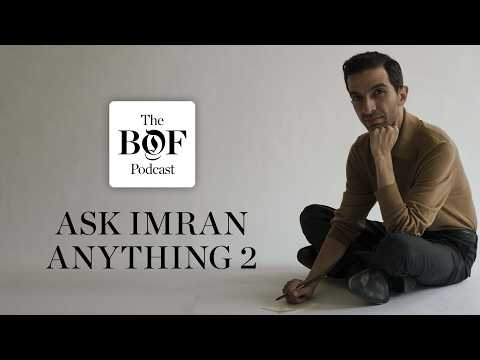
Source material: Ask Imran Anything: Boring Fashion, Luxury's Meaning & Building Outside the System | The BoF Podcast
Summary
Imran Amed reflects on his experiences with influential figures in fashion, such as Yohji Yamamoto and Han Cook Kim. He emphasizes the importance of thoughtful conversations that leave a lasting impact, particularly in an industry filled with inspiration and admiration for others' work.
Amed expresses concerns about the current state of the fashion industry, describing it as lacking vibrancy and creativity. However, he notes a recent shift with new creative directors bringing excitement back to major brands, alongside the emergence of independent designers who are revitalizing the market.
The discussion on luxury reveals a tension between mass commodification and genuine luxury experiences. Amed argues that true luxury is felt through thoughtful brand interactions and the emotional connections consumers have with products.
Emerging brands are leveraging social media to bypass traditional gatekeepers, fostering direct connections with consumers. This shift is seen as a way to enhance authenticity and engagement in the fashion landscape.
Perspectives
short
Proponents of Emerging Brands and Creativity
- Highlights the resurgence of creativity in fashion through new leadership
- Emphasizes the importance of independent brands in revitalizing the industry
- Argues that true luxury is about emotional connections and thoughtful experiences
- Encourages embracing AI and technology to enhance creativity and efficiency
- Stresses the need for fashion education to include business knowledge
Critics of Current Fashion Trends
- Questions the superficiality of the fashion industry amidst global challenges
- Critiques the commodification of luxury, making it difficult to discern genuine experiences
- Notes the disconnect between creativity and market demands in the fashion sector
- Highlights the risk of emerging brands facing market saturation and consumer fatigue
Neutral / Shared
- Acknowledges the shared challenges faced by designers globally
- Recognizes the importance of storytelling in fashion media
Metrics
impact
copy, copy, copy, copy, copy until you find yourself
Yohji Yamamoto's perspective on creativity
This highlights a unique approach to developing personal style in fashion.
Possibly the best way to find your own voice is to copy, copy, copy, copy, copy until you find yourself.
other
the kind of sense of joy that he's brought to that business
Machu Blasi's impact at Chanel
This indicates a positive shift in brand perception and consumer excitement.
the kind of sense of joy that he's brought to that business
other
the thoughtfulness, the level of care, the attention to detail, the quality of what Andreas is doing
Andreas's brand RIR
Highlights the importance of craftsmanship in independent fashion.
the thoughtfulness, the level of care, the attention to detail, the quality of what Andreas is doing
growth
expanded into these two incredible heritage buildings
expansion of Dongliang store
This expansion signifies a shift in luxury retail experiences.
in the last 10 years, Dongliang has expanded into these two incredible heritage buildings.
other
15 or 20 years
timeframe for market strategy changes
This indicates a significant shift in how fashion brands can reach consumers.
the single biggest change that's happened in the last 15 or 20 years
other
Shanghai Fashion Week
event showcasing emerging brands
Highlights the growing influence of Chinese brands in the global fashion scene.
I just spent a week in Shanghai during Shanghai Fashion Week
reach
125 countries
the global reach of the Business of Fashion
This extensive reach highlights the platform's influence in shaping global fashion narratives.
we have B.O.F. professional members in 125 countries now
travel
more than 40 countries
the number of countries visited by Imran Amed
This experience informs Amed's understanding of diverse fashion perspectives.
I've definitely visited more than 40 countries since I set up this company
Key entities
Timeline highlights
00:00–05:00
Imran Amed discusses the lasting influence of key fashion figures like Yohji Yamamoto and Han Cook Kim, highlighting their unique insights on creativity and brand purpose. He expresses concerns about the current uninspiring state of the fashion industry and emphasizes the importance of emerging brands and technology in revitalizing it.
- Imran Amed reflects on the lasting influence of discussions with key fashion figures like Yohji Yamamoto and Han Cook Kim, emphasizing their unique insights that resonate over time
- Yohji Yamamotos perspective on developing ones voice through imitation challenges traditional views, suggesting that creativity can stem from initial copying before establishing a personal style
- Ameds encounter with Han Cook Kim highlighted the significance of vision and purpose in building a brand, prioritizing meaningful impact over profit
- Amed notes a prevailing sentiment among industry insiders that fashion has become uninspiring, raising concerns about the sectors current vibrancy and ability to engage audiences
- The dialogue emphasizes the role of emerging brands in rejuvenating the fashion industry, with Amed asserting that innovative and independent labels are essential for infusing new energy
- Amed encourages the fashion industry to embrace technologies like AI, advocating for educators to stay attuned to industry realities to effectively prepare future professionals
05:00–10:00
The fashion industry is currently experiencing a revitalization driven by new leadership and independent designers, which is fostering a renewed sense of creativity. This shift is prompting a reevaluation of luxury, as consumers seek authenticity and meaningful connections with brands.
- The fashion industry is perceived as lacking creativity and excitement, often becoming overly commercialized and standardized, which has led to feelings of boredom among insiders
- Recent leadership changes at major fashion houses have sparked revitalization, with new creative directors like Machu Blasi at Chanel injecting fresh energy into the sector
- Independent designers and emerging brands are fostering a renewed sense of creativity, exemplified by the innovative approach of Andreas, founder of RIR
- The definition of luxury is evolving, becoming diluted as luxury labels appear in unexpected contexts, prompting a reevaluation of what luxury truly means
- Todays discussions on luxury highlight the importance of authenticity and purpose in branding, as consumers demand more meaningful connections with brands
- There is a growing optimism about the future of fashion, driven by both established and emerging voices, suggesting the industry may be on the verge of a creative renaissance
10:00–15:00
The fashion industry is grappling with the commodification of luxury, making it difficult for consumers to discern genuine luxury experiences. Emerging brands are adapting to a transformed landscape of digital communication, fostering creativity and emotional connections with consumers.
- Luxury has become commodified, making it challenging for consumers to identify genuine luxury, which is often recognized through thoughtful design and emotional connections with brands
- A visit to a curated store in Shanghai demonstrated that luxury is about the experience created through meticulous design and collaboration, not just the products themselves
- Launching a fashion label today requires adapting to the transformed landscape of digital communication and marketing, which has changed significantly since 2007
- Emerging brands now have diverse channels to connect with consumers, moving away from traditional methods and fostering greater creativity in brand presentation
- Understanding the emotional dimension of luxury is crucial, as it influences consumer perceptions and brand loyalty, helping brands to stand out in a competitive market
- The dialogue surrounding luxury and fashion is shifting, reflecting cultural changes and consumer expectations, which presents both challenges and opportunities for brands
15:00–20:00
Emerging brands are leveraging social media to connect directly with consumers, bypassing traditional gatekeepers in the fashion industry. This shift is fostering a new level of authenticity and engagement between brands and their audiences.
- Emerging brands can now bypass traditional gatekeepers like magazines and department stores, connecting directly with consumers through social media and innovative marketing. This shift allows young designers to establish their presence without institutional barriers
- The changing market access has opened new avenues for fashion entrepreneurs to create brands that resonate with consumers. They can now engage more authentically without the constraints of the old system
- Chinese brands are increasingly influencing the global fashion scene by blending local aesthetics with international appeal. This connection enhances their relevance and strengthens customer loyalty
- The vibrant atmosphere at Chinese fashion shows reflects a deeper engagement between brands and their audiences. This level of interaction sets a new benchmark for brand-consumer relationships
- Samuel Gui Yang represents the potential of merging cultural identity with global appeal in fashion. His approach demonstrates how local spirit can elevate a brands international presence
- Fashion marketing is evolving to prioritize creativity in both product development and content creation. This focus is essential for brands seeking to capture consumer attention in a competitive landscape
20:00–25:00
Samuel Gui Yang's fashion show exemplifies a brand that integrates diverse cultural influences, appealing to a global audience. Imran Amed emphasizes the importance of a global perspective in fashion storytelling, which has been central to the Business of Fashion's mission.
- Samuel Gui Yangs fashion show illustrates a brand that merges diverse cultural influences, appealing to a global audience and emphasizing the significance of international relevance in fashion
- Imran Amed highlights the necessity of a global viewpoint in fashion storytelling, a principle that has been central to the Business of Fashion since its founding, enabling it to engage a worldwide readership
- Amed stresses the duty of fashion media to showcase narratives from various regions, especially those outside traditional fashion hubs, to offer a more inclusive perspective on the industry
- International reader feedback has underscored the value of global fashion narratives, leading Amed to focus on this approach, which enriches content and builds community among fashion professionals worldwide
- Amed recognizes the challenge of steering clear of a Western-centric view in fashion media, emphasizing the importance of ongoing engagement with diverse regions, informed by his travels to over 40 countries
- The Business of Fashions influence spans 125 countries, facilitating a vibrant exchange of ideas and enhancing its significance within the global fashion landscape
25:00–30:00
Imran Amed discusses the shared challenges faced by fashion designers globally, emphasizing the importance of a collaborative approach. He advocates for embracing AI technologies to avoid falling behind in the evolving fashion industry.
- Imran Amed emphasizes the importance of a global perspective in fashion, noting that challenges faced by designers in different regions often share commonalities. This understanding fosters a sense of community and collaboration across diverse markets
- Amed highlights the necessity for fashion brands to engage with new technologies like AI rather than resist them. Embracing these tools early can help brands avoid falling behind in a rapidly evolving industry
- Reflecting on his early experiences with the internet, Amed draws parallels to the current landscape of AI in fashion. He believes that just as the internet transformed communication, AI has the potential to revolutionize the fashion industry
- Amed warns against the reflexive rejection of AI, suggesting that such a stance could hinder innovation. He encourages industry professionals to familiarize themselves with AIs capabilities and limitations to leverage its potential effectively
- The global team at The Business of Fashion, representing over 25 countries, is dedicated to maintaining a worldwide perspective in their storytelling. This commitment is crucial for accurately representing diverse voices and experiences in the fashion industry
- Amed acknowledges that while The Business of Fashion strives for global inclusivity, there is always room for improvement. He remains open to feedback to enhance their representation of stories from various regions