Society / Social Change
Track social change, shifting values, public sentiment and cultural transformation through structured summaries built from curated sources.
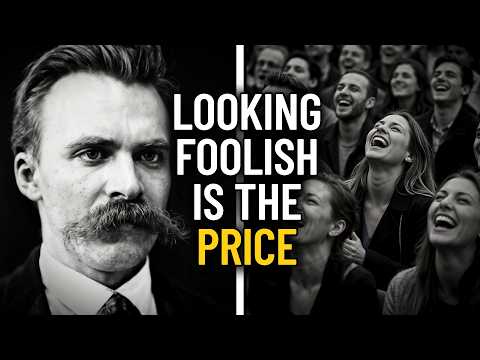
Why Intelligent People Look Like Fools | | Nietzsche
Summary
Intelligent individuals often face ridicule not for their ideas but for their deviation from societal norms, which can be perceived as a threat. Nietzsche's concept of the fool's mask illustrates that clarity can provoke discomfort among the crowd, leading to mockery rather than constructive engagement. The crowd's laughter signifies a rejection of those who challenge the status quo, not a dismissal of their intelligence.
The pathos of distance emerges when a clear thinker finds themselves isolated due to their insights. Nietzsche argues that the more one attempts to explain their perspective, the wider the gap becomes between them and the crowd. This dynamic reflects a societal preference for ambiguity over uncomfortable truths, as seen in historical examples like Socrates, who was executed not for being wrong but for exposing the flaws in collective beliefs.
Nietzsche's exploration of the higher man reveals that true clarity often leads to social isolation. The crowd mistakes silence for emptiness, failing to recognize the depth of understanding that lies beneath. Historical patterns demonstrate that clear thinkers are frequently marginalized, as society struggles to accommodate their insights.
The aesthetic of clarity can become a performance for those who seek validation rather than genuine understanding. Nietzsche's concept of the last man highlights the danger of adopting a persona that still craves the approval of the herd. This reflects a deeper existential challenge faced by individuals who grapple with their identity in a world that often punishes deviance.
Perspectives
Analysis of societal perceptions of intelligence and clarity.
Supporters of Clarity and Individual Insight
- Argues that intelligent individuals face ridicule for their deviation from societal norms
- Highlights that clarity can provoke discomfort among the crowd
- Claims that the crowds laughter signifies a rejection of those who challenge the status quo
- Proposes that the pathos of distance results from clear thinkers being isolated
- Denies that the crowd seeks answers, asserting they prefer to avoid uncomfortable questions
- Accuses society of punishing deviance rather than stupidity
Critics of Clarity and Individual Insight
- Claims that clarity can lead to social isolation
- Questions the validity of the pursuit of clarity as a genuine search for truth
- Denies that all individuals who seek clarity are authentic in their intentions
- Accuses clear thinkers of potentially seeking validation rather than insight
- Highlights that societal structures reward conformity over truth
- Rejects the idea that clarity is inherently valuable without context
Neutral / Shared
- Observes that historical patterns show clear thinkers often face ridicule
- Notes that Nietzsches concepts illustrate the isolating burden of true understanding
- Acknowledges that societal preference for ambiguity can stifle individual expression
- Recognizes that the challenge lies in both individual clarity and collective engagement
- Highlights the complexities of individual motivations in the pursuit of clarity
Key entities
Timeline highlights
00:00–05:00
Intelligent individuals often face ridicule not for their ideas but for their deviation from societal norms, which can be perceived as a threat. Nietzsche's concepts of slave morality and the Übermensch illustrate the challenges faced by those who reject the crowd's validation.
- Intelligent people often seem foolish because their clarity challenges societal norms, making the crowd uncomfortable with their insights
- Nietzsche posited that society punishes those who deviate from the norm, revealing a biological tendency to react negatively to nonconformity
- The idea of slave morality shows how the herd labels traits like ambition as undesirable, reinforcing control over independent thinkers
- When intelligent individuals stop seeking the crowds approval, they become more threatening, as their silence challenges the need for social validation
- Nietzsches concept of the Übermensch highlights the necessity of creating personal moral standards, which can appear lawless to those who follow traditional norms
- The rejection of clear thinkers stems from the crowds inability to grasp complex ideas, underscoring the difficulty in communicating profound concepts to the unprepared
05:00–10:00
Individuals who recognize uncomfortable truths often find themselves isolated due to societal preference for ambiguity. Historical patterns show that clear thinkers, like Socrates, face ridicule rather than constructive debate.
- The pathos of distance occurs when individuals recognize truths that others ignore, creating a natural divide due to clarity in a world that favors ambiguity
- Efforts to connect with the crowd often fail, as conformity is preferred over challenging discussions, leaving honest individuals isolated
- Nietzsches insights reveal a historical trend where clear thinkers, like Socrates, face mockery instead of constructive debate for revealing uncomfortable truths
- The crowds laughter reflects a rejection of clarity, highlighting their inability to grasp complex ideas and the challenge of embracing ones understanding despite social rejection
- The fools mask acts as a barrier, distinguishing those who cannot comprehend from those who might, suggesting that being misunderstood is part of self-discovery
- Pursuing clarity comes with social repercussions, and few are prepared to accept the isolation that often accompanies true understanding
10:00–15:00
The pursuit of clarity is often conflated with a genuine search for truth, leading individuals to seek validation rather than authentic insight. Nietzsche's concepts illustrate the isolating burden of true understanding and the societal preference for ambiguity over clarity.
- Many confuse the quest for clarity with a genuine search for truth, often using it as a means for validation rather than authentic insight
- Nietzsches last man illustrates the irony of individuals who seek individuality while still desiring societal approval
- The lantern metaphor represents the isolating burden of true insight, questioning whether one seeks understanding or merely the appearance of profundity
- Nietzsches choice to leave questions unanswered emphasizes the personal nature of discovery, urging individuals to examine their motivations and beliefs
- The notion of being born posthumously suggests that true recognition often arrives only after death, prompting reflection on the nature of ones insights
- The pursuit of clarity is about engaging with ideas that endure scrutiny, which is vital for those seeking a deeper understanding