Politics / United Kingdom
United Kingdom politics page with daily media monitoring across BBC News, The Telegraph, The Economist and The Times, structured summaries of domestic political developments and a country-level press overview.
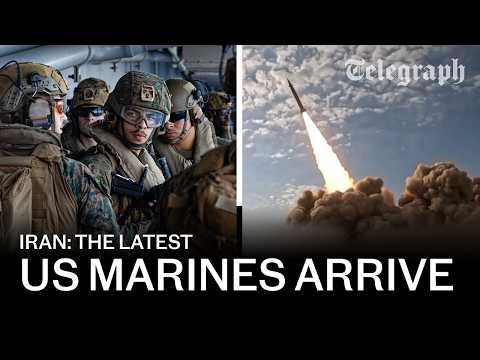
Iran vows to ‘rain fire’ on US troops, the Houthi ‘nightmare’ & on the ground in Tehran
Summary
Intensifying airstrikes in Tehran have led to widespread destruction and civilian casualties, prompting residents to tape their windows for protection. The Iranian Revolutionary Guards have threatened retaliation against U.S. universities, indicating a dangerous shift towards targeting civilian infrastructure. Reports suggest that the U.S. military is considering a takeover of Kharg Island to force the reopening of critical shipping routes.
Iran's military actions have escalated tensions in the region, particularly with strikes on critical infrastructure. Pro-Iranian militias and the Houthis in Yemen have further complicated the conflict dynamics, with the Houthis recently launching missiles at Israel. This escalation signals a potential shift in regional hostilities and the involvement of external actors like Russia providing intelligence to Iran.
The humanitarian crisis in Iran is worsening due to ongoing airstrikes, with over 3.2 million people fleeing urban areas in search of safety. Many are displaced within the country, facing dire conditions as rural regions also come under attack. The Norwegian Refugee Council is scaling up its support for affected Iranians, highlighting the urgent need for humanitarian aid amidst the chaos.
The Houthis have entered the conflict by launching missiles at Israel, marking a significant shift in their involvement. Their missile capabilities pose threats to global trade and energy infrastructure, raising concerns about the potential for broader conflict. The Houthis' actions suggest that Iran and its allies are not pursuing peace talks, despite ongoing U.S. diplomatic efforts.
Perspectives
Analysis of the ongoing conflict in Iran and its regional implications.
Iran and its allies
- Threaten retaliation against U.S. universities in response to airstrikes
- Claim to target military and civilian infrastructure in the region
- Assert that their nuclear program is for peaceful purposes despite international scrutiny
- Indicate readiness to escalate military actions if provoked
United States and allies
- Consider military options to secure strategic locations like Kharg Island
- Deploy additional troops to the region amid rising tensions
- Engage in diplomatic talks while preparing for potential military action
- Highlight the need for a political solution to avoid further escalation
Neutral / Shared
- Report on the humanitarian crisis affecting millions in Iran
- Discuss the implications of the Houthis missile strikes on regional stability
- Mention the impact of the conflict on global oil prices and trade routes
Metrics
troops
3,500 units
number of service members on the USS Tripoli
This troop increase signifies a heightened military presence in the region.
It's got 3,500 service members on board.
troops
around 40,000 units
normal number of American troops in the region
This baseline highlights the scale of the recent troop increase.
normally around 40,000.
aircraft_cost
$500 million USD
cost of a US E-3 aircraft
The high cost underscores the strategic importance of these aircraft.
These are really important aircraft. They cost about $500 million.
aircraft
about 16, 15 now units
number of E-3 Sentry aircraft remaining in the US arsenal
The dwindling number of these aircraft raises concerns about US military capabilities.
The US only has about 16, 15 now.
range
across a 250 mile radius miles
operational range of the E-3 Sentry aircraft
This range is critical for tracking threats in the region.
These aircraft are basically able to track aircraft drones and missiles across a 250 mile radius.
missiles_intercepted
five ballistic missiles units
number of missiles intercepted by Saudi Arabia
This interception indicates ongoing threats to regional security.
Saudi Arabia has intercepted five ballistic missiles overnight.
oil_price
$160 USD
current price of oil per barrel
This price indicates significant economic repercussions due to military tensions.
Oil hit $160 a barrel when markets open today
oil_price_prediction
$200 USD
predicted future price of oil per barrel
A potential increase to this level could exacerbate global economic instability.
prices possibly hitting 200 in the coming months
Key entities
Timeline highlights
00:00–05:00
Tehran residents are increasingly anxious as military actions escalate, leading many to tape their windows for protection. The Iranian Revolutionary Guards have threatened retaliation against US universities, indicating a dangerous shift towards targeting civilian infrastructure.
- Tehran residents are growing increasingly anxious as military actions intensify, prompting many to tape their windows for protection against potential explosions. This reflects a rising sense of panic and uncertainty among the civilian population
- The Iranian Revolutionary Guards have threatened to target US universities in the Middle East in retaliation for attacks on Iranian educational sites. This shift indicates a dangerous escalation towards striking civilian infrastructure
- Irans parliament is considering withdrawing from the nuclear non-proliferation treaty, arguing that it has not yielded any benefits. This potential move could exacerbate tensions regarding Irans nuclear intentions and complicate international relations
- The deployment of the USS Tripoli, with thousands of troops, significantly boosts US military presence in the region. This increase raises alarms about possible ground operations and the future of US-Iran relations
- Iran claims to have successfully struck a US E-3 aircraft, showcasing its military capabilities. Such incidents could put pressure on US operations in the area and further escalate the ongoing conflict
- Iranian officials have expressed their readiness to confront US forces directly, indicating a willingness to engage in military conflict. This statement highlights the escalating stakes as both nations prepare for potential confrontations
05:00–10:00
Iran's military actions and accusations against Israel have escalated tensions in the region, particularly with strikes on critical infrastructure. The involvement of pro-Iranian militias and the Houthis in Yemen further complicates the conflict dynamics.
- Irans recent strike on a US E-3 Sentry aircraft highlights the vulnerability of American military assets in the region, raising concerns about escalating confrontations
- There are indications that Russia is supplying intelligence to Iran, which could complicate the conflict by strengthening Irans military capabilities against US forces
- Iran has accused Israel of conducting attacks on its critical infrastructure, including facilities in Kuwait, which may heighten tensions and lead to increased hostilities
- Pro-Iranian militias in Iraq have targeted the Baghdad airport complex with rocket fire, signaling a persistent threat to US and allied forces in the area
- Israel is intensifying its military operations in southern Lebanon, with Prime Minister Netanyahu emphasizing a long-term commitment to changing the regional security landscape
- The Houthis in Yemen have joined the conflict, claiming to target Israeli military sites with missiles, which could draw more regional actors into the war and complicate the situation
10:00–15:00
Donald Trump claims the U.S. is negotiating with a new Iranian regime to halt military actions, suggesting a shift in strategy.
- Donald Trump claims the U.S. is negotiating with a new Iranian regime to halt military actions, suggesting a shift in strategy
- He asserts that regime change in Iran has effectively occurred, which may influence public perception and justify potential military interventions
- The U.S. military buildup in the region raises alarms about a possible attack on Kharg Island, heightening tensions
- Oil prices have surged to $160 per barrel due to fears of escalating military actions, with predictions they could reach $200, indicating significant global economic repercussions
- Ukraine faces pressure from allies to limit its strikes on Russian energy infrastructure, reflecting the broader impact of Middle Eastern conflicts on global energy markets
- Christine Lagarde cautions that the ongoing conflict could lead to a severe economic shock, challenging assumptions of a quick return to stability
15:00–20:00
The humanitarian crisis in Iran is escalating due to ongoing airstrikes, resulting in widespread destruction and civilian casualties. Over 3.2 million people have fled urban areas in search of safety, but rural regions are also facing attacks, leaving many without secure refuge.
- The humanitarian crisis in Iran is worsening due to ongoing airstrikes, leading to widespread destruction and civilian casualties, leaving residents feeling desperate and unsafe
- Over 3.2 million people have fled urban areas in search of safety, but even rural regions are facing attacks, leaving many without secure refuge
- Daily life in Tehran is surreal as residents try to maintain normalcy amid constant bomb threats, creating a tense atmosphere where survival is a daily struggle
- Civilians are vulnerable due to the absence of bomb shelters and air raid warnings, highlighting the urgent need for humanitarian assistance and protection
- Iran hosts over 4.4 million Afghan refugees who are facing dire conditions, with many losing their livelihoods and considering returning to a crisis-stricken Afghanistan
- The Iranian government has failed to establish adequate refugee camps or displacement centers, leaving many stranded in conflict zones and exacerbating the humanitarian crisis
20:00–25:00
The Norwegian Refugee Council is increasing its support for Iranians affected by the war, highlighting the urgent need for humanitarian aid. The ongoing internet blackout hampers communication and reporting in Iran, fostering an environment of fear and helplessness among the population.
- The Norwegian Refugee Council is increasing its support for Iranians affected by the war, highlighting the urgent need for humanitarian aid as the situation deteriorates
- Staff members of the Norwegian Refugee Council have been personally affected by the conflict, with some losing their homes, reflecting the widespread trauma among civilians
- Iranians are increasingly anxious about their future as the war drags on, underscoring the critical need for a diplomatic resolution to restore safety
- An ongoing internet blackout hampers communication and reporting in Iran, fostering an environment of fear and helplessness among the population
- Despite the escalating violence, the Norwegian Refugee Council is striving to maintain safety protocols for its staff while delivering essential aid
- The humanitarian crisis in Iran is particularly severe for vulnerable groups like Afghan refugees, necessitating immediate international support to alleviate their suffering
25:00–30:00
The Houthis have escalated their involvement in the conflict by launching missiles at Israel, marking a significant shift in regional hostilities. This action coincides with increased U.S.
- The Houthis have escalated the conflict by launching missiles at Israel, indicating their willingness to engage in wider regional hostilities
- Historically marginalized, the Houthis are now asserting their influence amid rising tensions between Iran and the U.S, reflecting a strategic shift
- Their involvement coincides with a surge in U.S. military presence, suggesting a calculated response to perceived threats in the region
- The missile attacks pose risks to global trade routes in the Red Sea, which could lead to significant economic consequences worldwide
- Despite previous airstrikes, the Houthis demonstrate resilience and capability to retaliate, complicating the ongoing conflict dynamics
- Their recent military actions serve as a warning to Israel and the U.S. about the potential for a broader conflict, highlighting the interconnected nature of regional tensions