Politics / United Kingdom
Understanding U.S. Military Strategy and Iran's Response
The removal of U.S. Navy Secretary John Phelan underscores significant tensions within the Trump administration regarding military decisions, particularly in relation to naval operations in the Persian Gulf. Phelan's departure coincides with Iran's recent aggressive actions in the Strait of Hormuz, complicating the U.S. military strategy in the region.
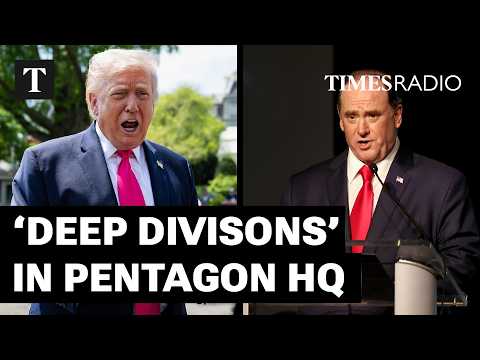
Source material: Trump Sacks Key Military Staff Amid Cabinet Divisions Over ‘Military 'Decisions’ | Cedric Leighton
Summary
The removal of U.S. Navy Secretary John Phelan underscores significant tensions within the Trump administration regarding military decisions, particularly in relation to naval operations in the Persian Gulf. Phelan's departure coincides with Iran's recent aggressive actions in the Strait of Hormuz, complicating the U.S. military strategy in the region.
President Trump's shifting military objectives raise concerns among senior military officials about the effectiveness of U.S. strategy. The constant changes in goals hinder proper military planning and execution, leading to operational confusion.
The U.S. strategy of applying economic sanctions on Iran is expected to be ineffective, given Iran's historical resilience to such measures. Former U.S. Colonel Cedric Leighton emphasizes the need for the U.S. to consider Iran's potential reactions to its actions.
Leighton suggests that mutual easing of blockades could foster confidence and lead to more productive negotiations. The current deadlock highlights a stark contrast in political strategies, with the U.S. seeking quick resolutions while Iran is willing to endure prolonged hardships.
Perspectives
short
U.S. Administration
- Claims that economic sanctions will pressure Iran to negotiate
- Argues for a quick resolution to the conflict
Iran
- Denies that U.S. sanctions will have a significant impact
- Highlights resilience to economic pressures and willingness to endure hardships
Neutral / Shared
- Notes the potential for significant escalation in the conflict
- Identifies the contrasting political strategies of the U.S. and Iran
Key entities
Timeline highlights
00:00–05:00
The removal of U.S. Navy Secretary John Phelan highlights significant tensions within the Trump administration regarding military decisions.
- The removal of U.S. Navy Secretary John Phelan underscores significant tensions within the Trump administration regarding military decisions, particularly in relation to naval operations in the Persian Gulf
- Irans recent actions, including attacks on ships in the Strait of Hormuz, add complexity to the situation, as the U.S. maintains a blockade that Iran argues harms its economy
- President Trumps changing military objectives pose challenges for planning and execution, raising concerns among senior military officials about the effectiveness of U.S. strategy in the region
- Phelans departure, along with the ousting of other military leaders, indicates growing unease within military ranks about the conduct of the war and the overall trajectory of U.S. foreign policy
05:00–10:00
The sacking of US Navy Secretary John Phelan underscores significant divisions within the Trump administration regarding military strategies. Former US colonel Cedric Leighton expresses concerns over detrimental military decisions being made.
- The U.S. strategy of applying economic sanctions on Iran is expected to be ineffective, given Irans ability to adapt to such measures
- Cedric Leighton recommends that the U.S. should carefully consider Irans potential reactions, suggesting that mutual easing of blockades could foster confidence
- The current deadlock highlights a stark contrast in political strategies, with the U.S. aiming for swift resolutions while Iran is willing to endure prolonged hardships
- Leighton cautions that the situation could escalate significantly, with negotiations potentially taking months as Iran may not feel pressured to engage under the existing circumstances