Politics / United Kingdom
United Kingdom politics page with daily media monitoring across BBC News, The Telegraph, The Economist and The Times, structured summaries of domestic political developments and a country-level press overview.
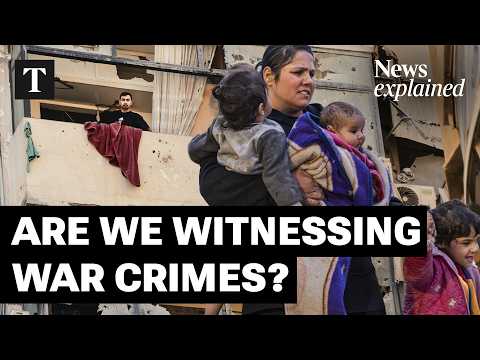
The Impact Of Israel's Attacks On Civilians In Lebanon
Summary
Israeli forces have initiated a ground offensive against Hezbollah in southern Lebanon, following an extensive bombing campaign. This military action has resulted in the displacement of tens of thousands of civilians, raising alarms about a potential humanitarian crisis.
The conflict escalated after Hezbollah retaliated for the killing of Iranian leader Ayatollah Ali Khameini, leading to over 900 reported deaths in Lebanon due to Israeli strikes. The Lebanese health ministry reported that more than one million people have been displaced, with many seeking refuge in collective shelters.
Israel has warned that displaced communities will not be allowed to return home until the safety of its citizens near the border is guaranteed. The United Nations Human Rights Office has expressed concerns that some Israeli attacks may constitute war crimes under international law.
Numerous air strikes have targeted residential buildings in densely populated areas, resulting in the deaths of multiple family members, including women and children. Deliberate attacks on civilians or civilian structures are classified as war crimes.
Perspectives
short
Israeli Military Perspective
- Claims ground operations are defensive to protect northern Israel from Hezbollah
- Argues targeting Hezbollah infrastructure is necessary for national security
- Highlights that military actions are a response to Hezbollahs aggression
Humanitarian Concerns
- Warns of a major humanitarian crisis due to civilian displacement
- Accuses Israeli forces of committing potential war crimes through attacks on civilians
- Questions the legality of military operations that result in significant civilian casualties
Neutral / Shared
- Notes over one million people displaced from their homes in Lebanon
- Reports that the UN Human Rights Office is investigating the impact of military strikes
Metrics
deaths
more than 900 people units
reported deaths in Lebanon due to Israeli attacks
This number highlights the severe human cost of the conflict.
more than 900 people in Lebanon have been killed by Israeli attacks.
shelters
over 130 thousand units
number of people living in collective shelters
This indicates the dire living conditions faced by many displaced individuals.
with over 130 thousand living in collective shelters.
Key entities
Timeline highlights
00:00–05:00
Israeli forces have commenced a ground offensive against Hezbollah in southern Lebanon, resulting in significant civilian displacement and humanitarian concerns. The conflict has escalated following Hezbollah's retaliation for the killing of Iranian leader Ayatollah Ali Khameini, with over 900 reported deaths in Lebanon due to Israeli strikes.
- Israeli forces have initiated a ground offensive against Hezbollah in southern Lebanon, resulting in the displacement of tens of thousands of civilians and raising alarms about a potential humanitarian crisis
- The conflict escalated when Hezbollah attacked Israel in retaliation for the killing of Iranian leader Ayatollah Ali Khameini, leading to over 900 reported deaths in Lebanon due to Israeli strikes
- Lebanons health ministry reports that more than one million people have been forced from their homes, highlighting the severe impact of military operations on civilian life
- Israel has warned that displaced communities will not be allowed to return until the safety of its citizens near the border is guaranteed, underscoring the precarious situation for those affected by the conflict
- The United Nations Human Rights Office has expressed concerns that some Israeli attacks may constitute war crimes under international law, raising serious ethical and legal questions about military operations
- In specific instances, such as the attack on a residential building in Arab al-Jal, warnings were issued before strikes occurred, raising concerns about the accountability of military actions in densely populated areas