Politics / United Kingdom
US-Iran tensions and Strait of Hormuz blockade
Iran has condemned the impending U.S. blockade of its ports, labeling it an act of piracy. The U.S. military plans to enforce this blockade, which could escalate tensions in the region. President Trump has warned that any Iranian aggression towards vessels in the Strait of Hormuz will be met with severe consequences. The blockade follows failed peace negotiations and aims to pressure Iran economically.
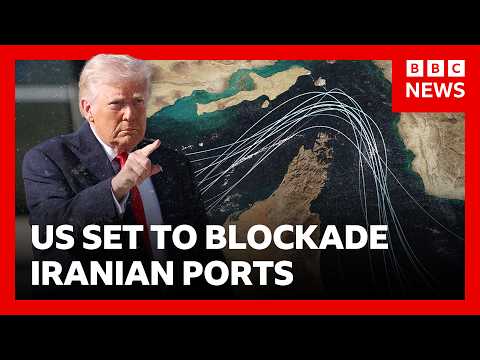
Source material: US prepares to blockade the Strait of Hormuz | BBC News
Summary
Iran has condemned the impending U.S. blockade of its ports, labeling it an act of piracy. The U.S. military plans to enforce this blockade, which could escalate tensions in the region. President Trump has warned that any Iranian aggression towards vessels in the Strait of Hormuz will be met with severe consequences. The blockade follows failed peace negotiations and aims to pressure Iran economically.
The situation in the Strait of Hormuz is critical, as it is a vital shipping route for global oil and gas supplies. Iran has historically used its control over this waterway as leverage in conflicts. The U.S. blockade is seen as a strategy to compel Iran to negotiate, but it raises concerns about potential retaliation and further military conflict.
Reports indicate that Iranian-linked tankers have exited the Gulf ahead of the blockade, suggesting a strategic maneuver by Iran. Meanwhile, China, as a major importer of oil, is closely monitoring the situation, emphasizing the need for safe passage through the Strait. The U.S. has assured that it will not impede non-Iranian vessels, but the enforcement of the blockade remains uncertain.
The UAE has asserted that Iran does not have the authority to the Strait of Hormuz, highlighting the global implications of such actions. Countries like India and Singapore are also concerned about the potential disruption of maritime traffic and the unraveling of international maritime law. The situation has prompted discussions among global leaders about safeguarding shipping routes.
Perspectives
short
United States
- Imposes a blockade on Iranian ports to pressure Iran economically
- Warns of severe consequences for any Iranian aggression in the Strait
- Claims that the blockade is necessary for international shipping safety
Iran
- Denounces the U.S. blockade as an act of piracy
- Threatens to retaliate against any blockade enforcement
- Claims control over the Strait of Hormuz as leverage in the conflict
Neutral / Shared
- Highlights the critical nature of the Strait of Hormuz for global oil transport
- Notes the involvement of other countries like China and India in the situation
- Reports on the potential for increased tensions and military conflict
Metrics
oil_transport
20 percent %
global oil and gas transport
Disruption could significantly affect global energy prices.
roughly 20 percent of the world's oil and natural liquefied gas is transported
oil_imports
13 percent of oil %
China's oil imports from Iran
This percentage indicates China's reliance on Iranian oil, which could be affected by the blockade.
From Iran, it takes about 13 percent of oil.
other
the law of the seas is unraveling
implications for global maritime law
This could set a dangerous precedent for other vital waterways.
if suddenly the law of the seas is unraveling then other straights around the world could be affected
other
global supplies from fertilizers that will affect food prices
impact on food prices
Disruptions could lead to increased humanitarian crises.
taking hostage the oil and the only energy and oil supplies but also global supplies from fertilizers that will affect food prices
Key entities
Timeline highlights
00:00–05:00
Iran has condemned the U.S. blockade of its ports, labeling it an act of piracy.
- Iran has condemned the impending U.S. blockade of its ports, calling it an act of piracy
- President Trump warned that any Iranian attacks on vessels in the Strait of Hormuz will result in severe repercussions, indicating rising tensions in the region
- The Strait of Hormuz is vital for global oil and gas transport, with around 20 percent of the worlds supply passing through, making Irans potential disruption a significant concern for energy prices and economic stability
- The U.S. military intends to implement a blockade focused on Iranian ports, though specifics on enforcement are still unclear
- The breakdown of peace talks in Pakistan has prompted the U.S. to shift from diplomatic efforts to military strategies
- In Iran, there is increasing public fatigue regarding the ongoing conflict, with many citizens seeking peace, and the blockade could exacerbate the already fragile ceasefire situation
05:00–10:00
The U.S. is preparing to enforce a blockade on Iranian ports, which could escalate regional tensions.
- The U.S. is set to enforce a blockade on Iranian ports, which may heighten regional tensions
- Two Iranian-linked tankers have reportedly left the Gulf to avoid disruptions from the impending blockade
- Chinas role in the negotiations is unclear, but it is worried about how the blockade could affect its oil imports from the region
- The UK and France are organizing a summit to discuss the closure of the Strait of Hormuz, highlighting the international communitys concern over navigation freedom
- There is widespread anxiety in the region about the potential impacts of the U.S. blockade
- Both sides show reluctance for further military conflict, raising doubts about the blockades effectiveness despite their conflicting demands
10:00–15:00
The UAE has stated that Iran lacks the authority to block the Strait of Hormuz, a critical passage for global shipping. The situation has raised concerns among countries like China and India about potential disruptions to maritime traffic and its implications for international law.
- The UAE asserts that Iran does not have the authority to block the Strait of Hormuz, which could have significant implications for global shipping and energy supplies
- Countries like China and India are monitoring the situation closely, fearing that disruptions in maritime traffic could undermine the law of the seas and set a troubling precedent for other vital waterways
- The USs impending blockade is met with a lack of coordinated international response, raising doubts about the effectiveness of diplomatic efforts to resolve the crisis
- Irans actions have heightened regional tensions, affecting not only oil supplies but also global food prices and humanitarian aid, making it a pressing global issue
- China and Russia are viewed as influential players in the crisis, with ongoing discussions between Abu Dhabi and these nations aimed at conflict mitigation
- The UK and France are organizing a summit to address shipping security in the Strait of Hormuz, emphasizing the urgent need to restore navigation freedom amid rising tensions